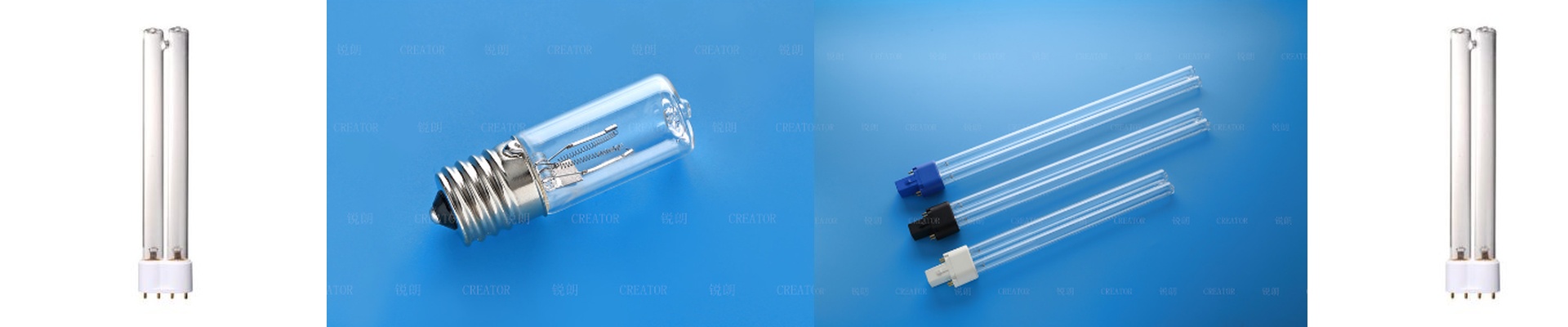
Let’s Talk About Mercury UV Bulbs
If you’re running an industrial printing or coating line, you already know that getting the ink to dry instantly is the only way to keep things moving. That’s where our standard mercury bulbs come in. Basically, they take electricity and turn it into short-wave UV radiation. The second that light hits your UV-curable ink, it triggers a chemical reaction that freezes the surface solid. Just like that.
How they actually work
Think of it as an electric arc jumping through pressurized mercury vapor. When the power kicks in, the mercury atoms get excited and pump out a broad spectrum of UV light—mostly at 254nm and 365nm. That specific mix is the secret sauce. It’s what lets the ink cure all the way through and actually stick to whatever you’re printing on.
The nuts and bolts
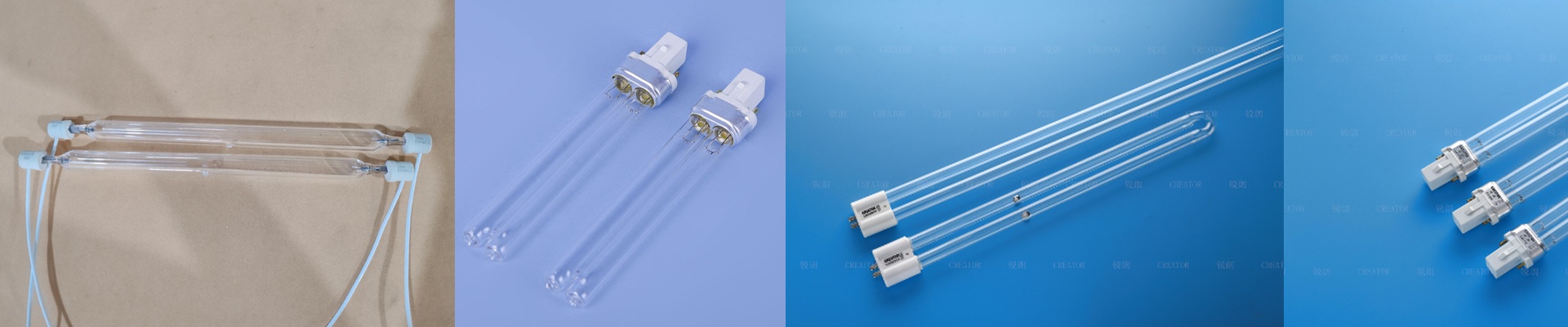
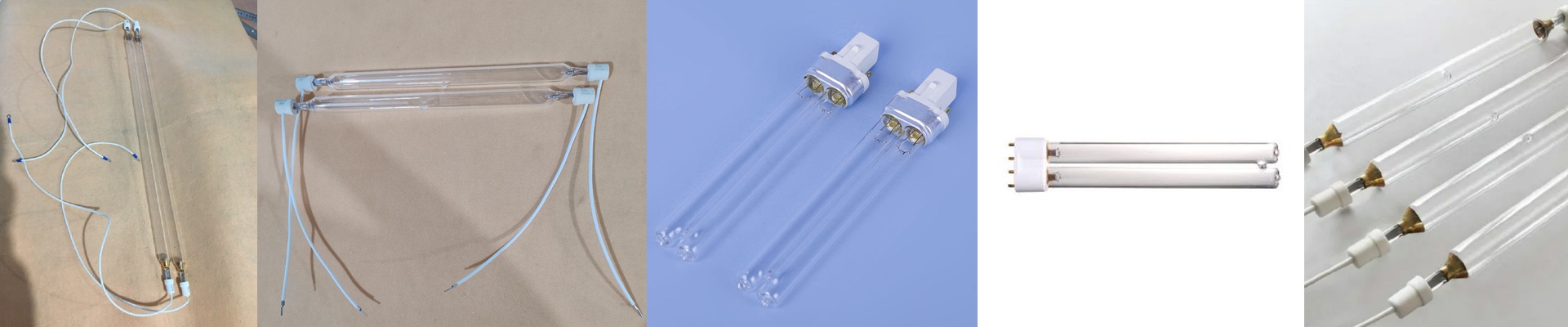
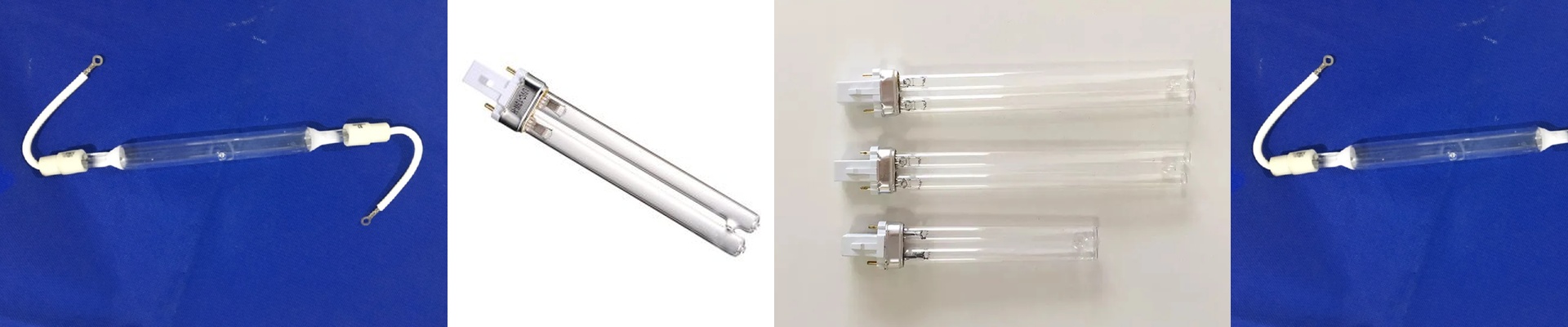
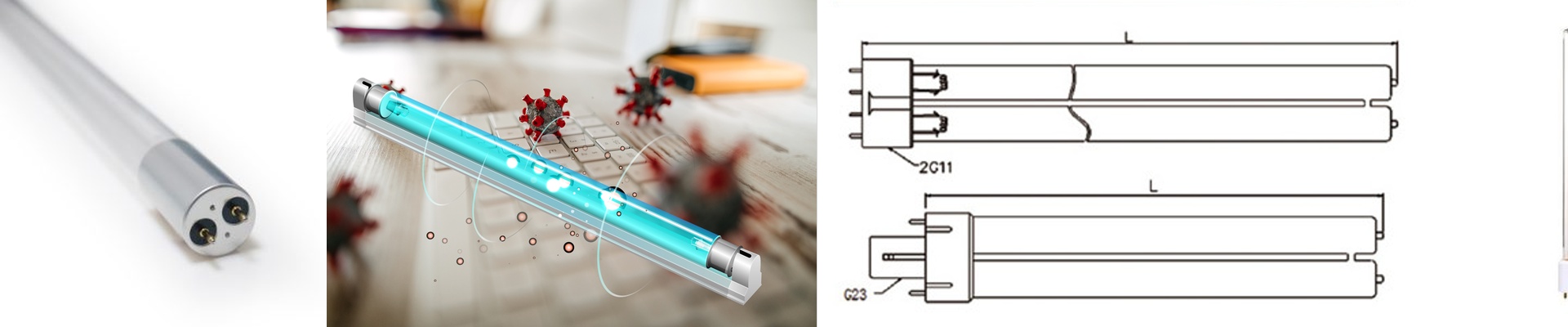
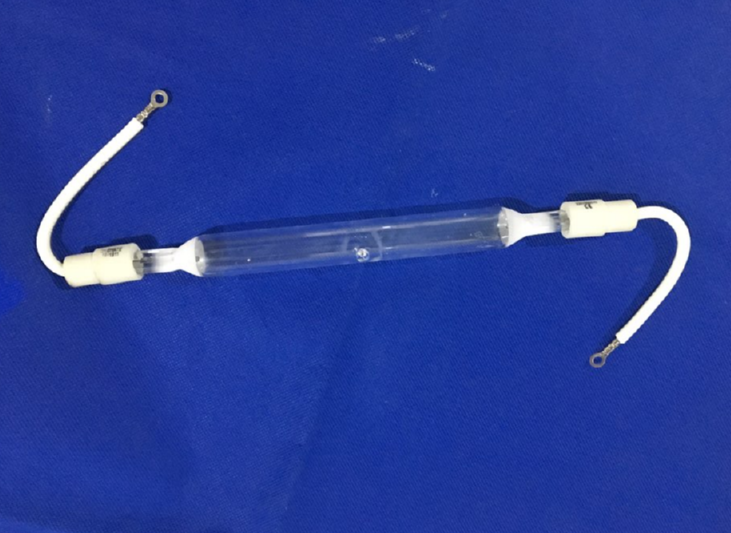
You’ll notice the bulbs are made of high-purity fused quartz. We can’t use regular glass because it blocks UV rays, which would make the bulb useless. Plus, quartz can handle the crazy heat and internal pressure without just snapping. When you’re picking a bulb, you’ll look at the wattage and length to match your conveyor speed. Here’s the trade-off:Higher wattage means more power (irradiance), which lets you crank up your line speed. But there’s a catch. High-intensity bulbs get hot. Really hot. If your cooling fans or water jackets aren’t up to the task, you’re looking at scorched materials or a bulb that burns out way too soon.
Keeping things running
We designed these as drop-in replacements because nobody wants their line down for hours. When you’re swapping one out, just make sure the electrodes are seated tight in the sockets. If they’re loose, you’ll get arcing, and that’s a headache you don’t need. One last thing: mercury lamps don’t last forever. They fade. As the electrodes wear down, the UV output dips. Keep an eye on your lamp hours. If you wait until the ink feels tacky to the touch, you’ve waited too long—and you might end up tossing an entire production run.Swap them out before the dip.