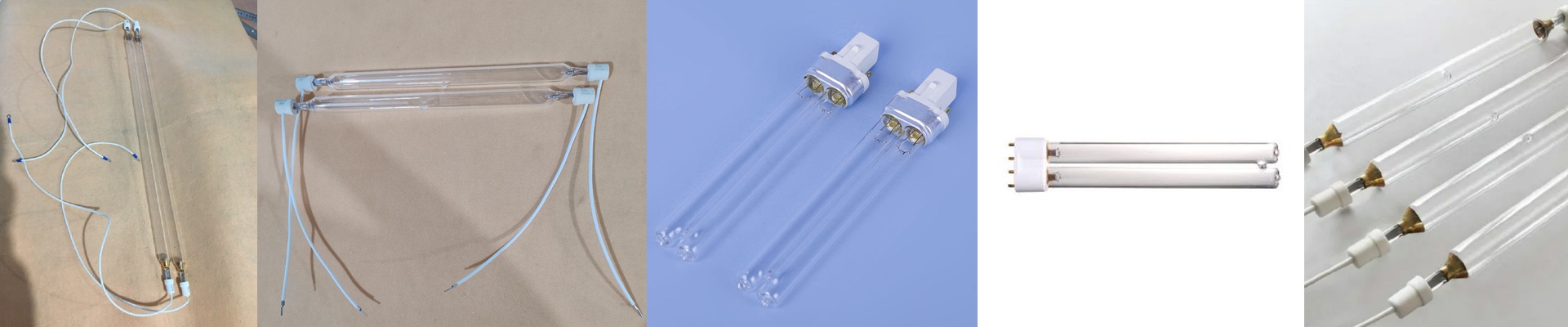
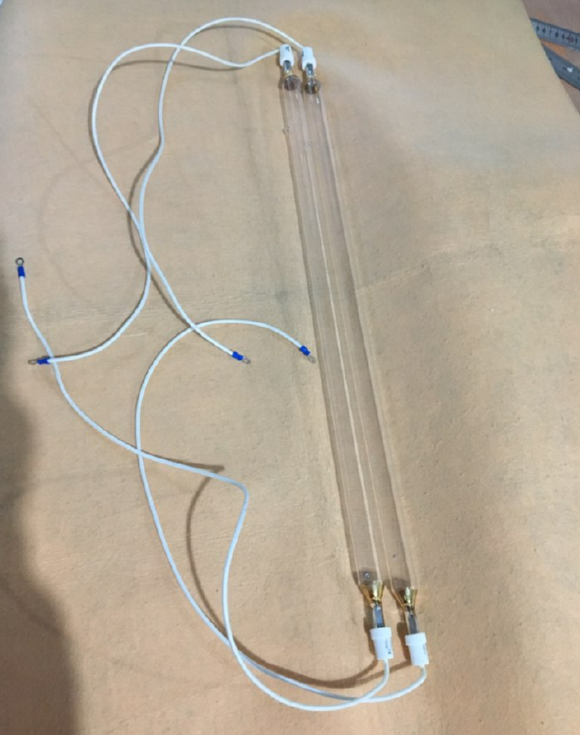
Let’s Talk About the 120W/cm Mercury UV Module
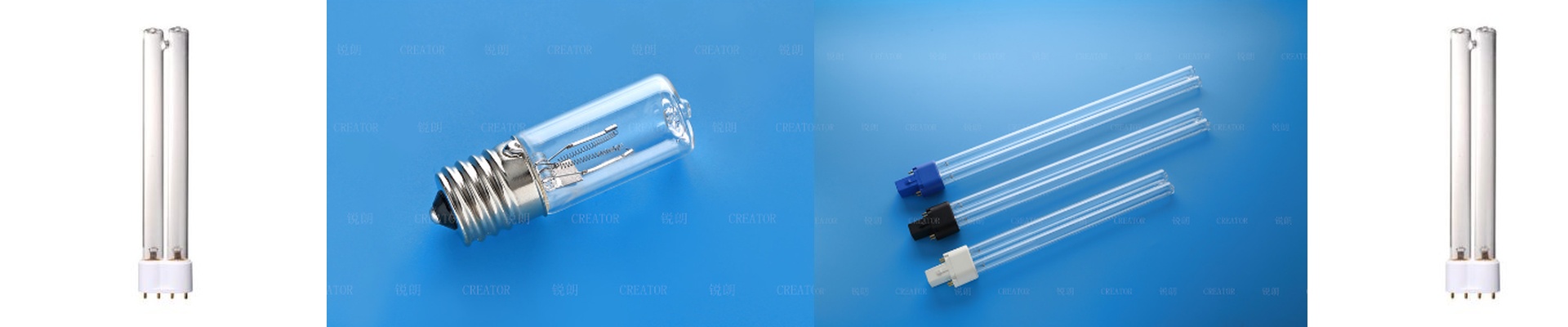
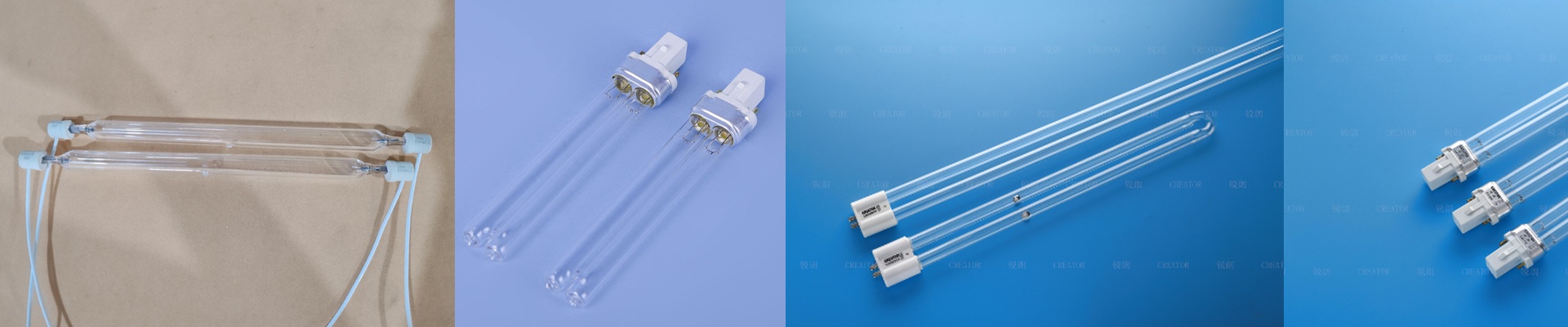
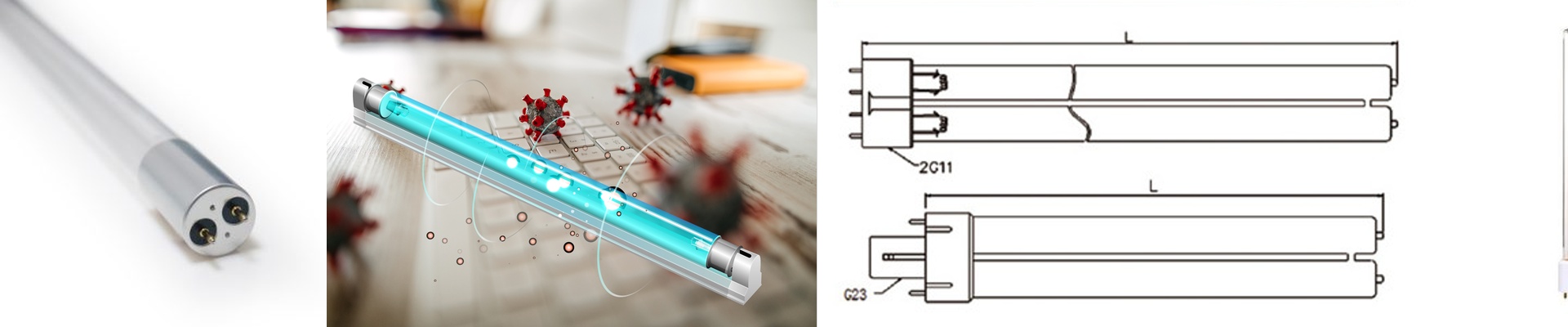
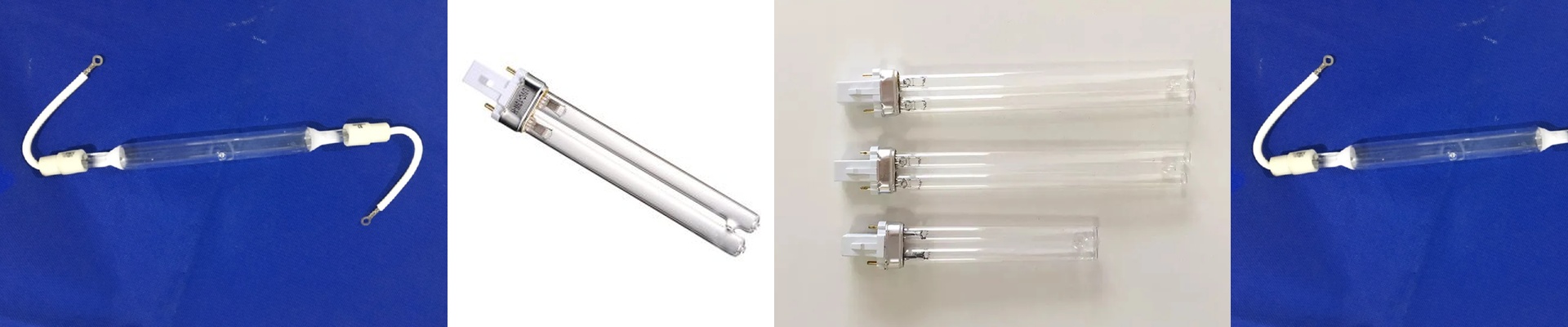
When we sat down to design our standard mercury UV modules, we had one goal: 120W per centimeter. Now, if you aren’t a gearhead, that might just sound like a random number. But in a busy print shop, it’s everything. It’s the sweet spot that lets you flash-cure those thick, stubborn inks while your line is screaming along at full speed. No slowing down. No bottlenecks. The Heat Factor Here is the catch. Packing that much energy into such a small space creates a lot of heat. Fast. You get a rock-hard cure in a fraction of a second, which is great. But if your conveyor cooling isn’t up to the task, or if you mount the lamp too close to the material, you’re going to scorch your media. It happens. Just make sure your cooling fans are beefy enough to pull that waste heat out of the housing before it becomes a problem. Under the Hood We went with high-pressure mercury vapor because it gives you a broad spectrum. Why? Because different inks use different photoinitiators, and this covers your bases. We also use a specific quartz envelope. We didn’t want the glass absorbing the energy; we wanted every bit of that UV light hitting the ink. We build these as modular units, so you can just wire them up and drop them straight into your existing press. No need to reinvent the wheel. Getting it Right on the Shop Floor These aren’t lab toys; they’re built for the grit of a real shop. We spent a lot of time on the electrode geometry because nobody wants to deal with a lamp burning out prematurely. When you’re installing these, just double-check that your ballast matches the lamp’s impedance. If they’re off, you’ll see flickering or, worse, a drastically shorter lifespan. And since every press is a little different, we don’t do “one size fits all.” We tweak the reflector angle for you. That way, the 120W/cm beam hits exactly where it needs to—right where the ink meets the substrate.