Stop Treating Your UV Bulbs Like Disposable Trash
Most people buy UV bulbs the way they buy lightbulbs for a hallway—just something to swap out when it pops. But if you’re running an industrial line, these aren’t just consumables. They’re precision tools. When you’re buying in bulk, the goal isn’t just to shave a few cents off the unit price. It’s about getting a steady, reliable output without paying a “brand name tax” just for a fancy logo on the box.
The Secret is in the Glass (and the Gas)
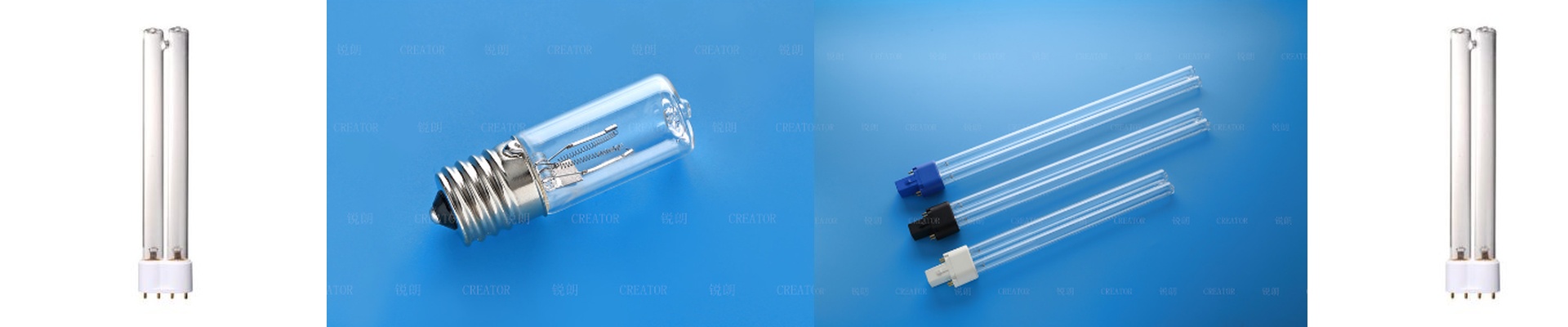
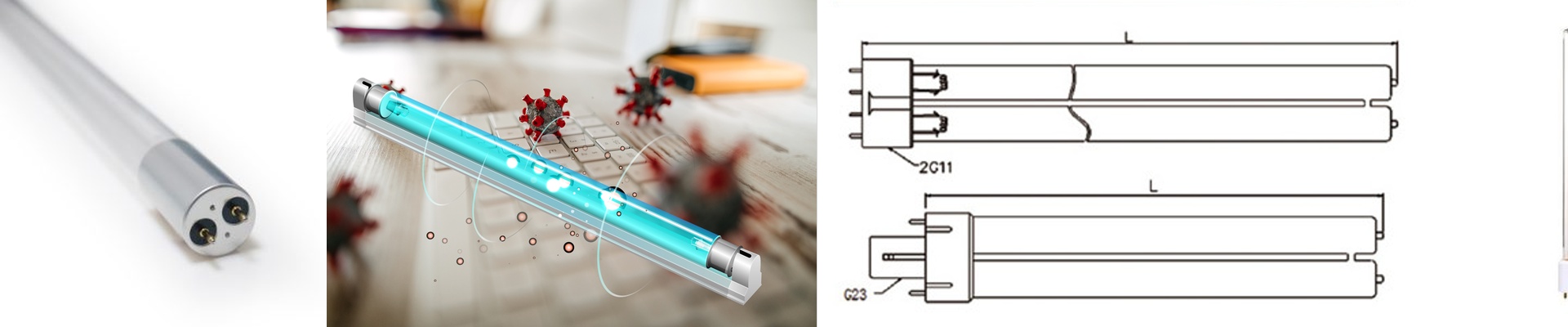
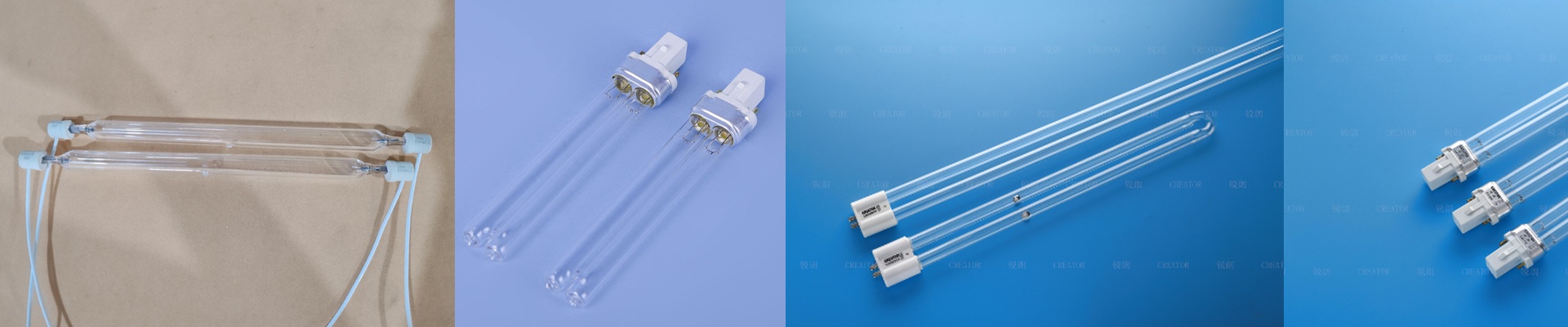
Here is how it actually works: our lamps use a specific mix of mercury and argon. When the arc hits, that mercury vaporizes and shoots out short-wave radiation. We tweak the gas pressure so the output hits exactly where you need it—whether that’s the 253.7nm line for killing germs or a wider UVC band for curing. But here is where the cheap stuff falls apart: the quartz envelope. Low-grade quartz “solarizes.” That’s a fancy way of saying it gets cloudy. Once that happens, your UV intensity plummets, even if the filament is still glowing. We use high-purity fused silica to stop that from happening. It stays clear. It stays strong.
Heat is the Enemy
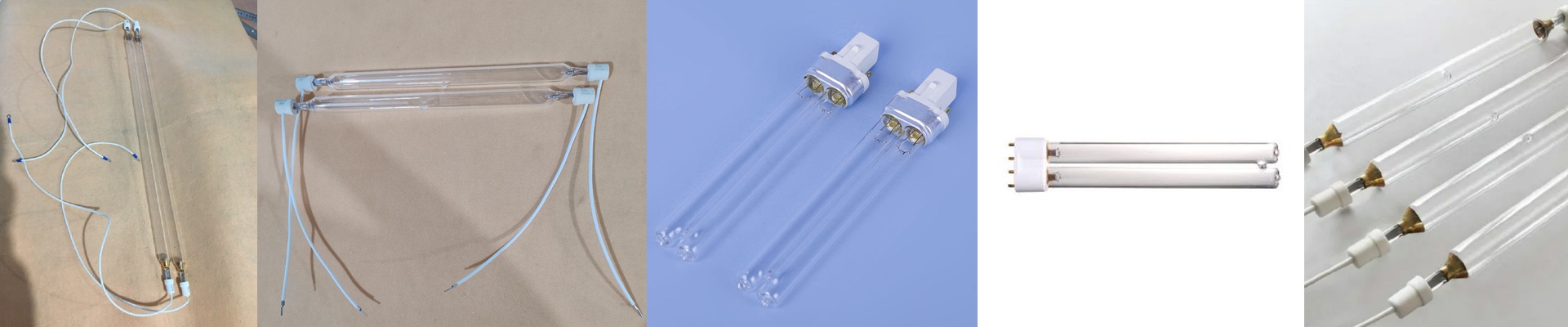
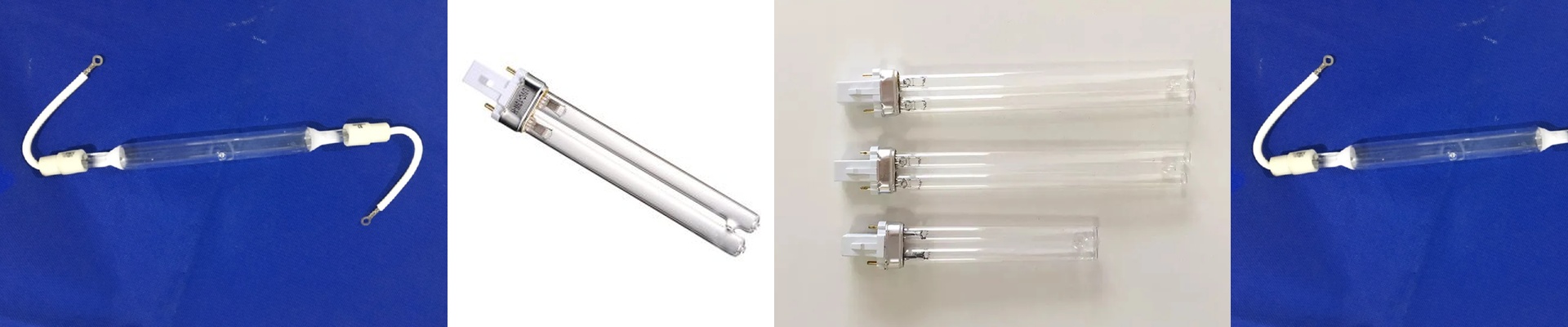
We make these in all sorts of wattages and lengths to fit whatever machine you’re running. High-wattage tubes are great because they give you massive intensity, which means you can speed up your conveyor belts and get more done. But there’s a catch. If you push too much current through a short tube, the end caps get scorching hot. If your cooling fans aren’t up to the task, those seals will leak. Then your lamp dies way before it should. It’s a simple physics problem, but it’s one that costs a lot of money if you ignore it.
Straight from the Factory
We handle everything. The quartz tubing, the vacuum seal, all of it. By owning the whole process, we get rid of the middleman and the distribution markups. You get a bulb that drops right into your machine and matches your OEM specs perfectly, but you pay factory-direct prices. At the end of the day, we obsess over the raw materials—the purity of the mercury and the grade of the quartz. Why? Because that’s the only thing that actually determines how long that lamp lasts on your shop floor.