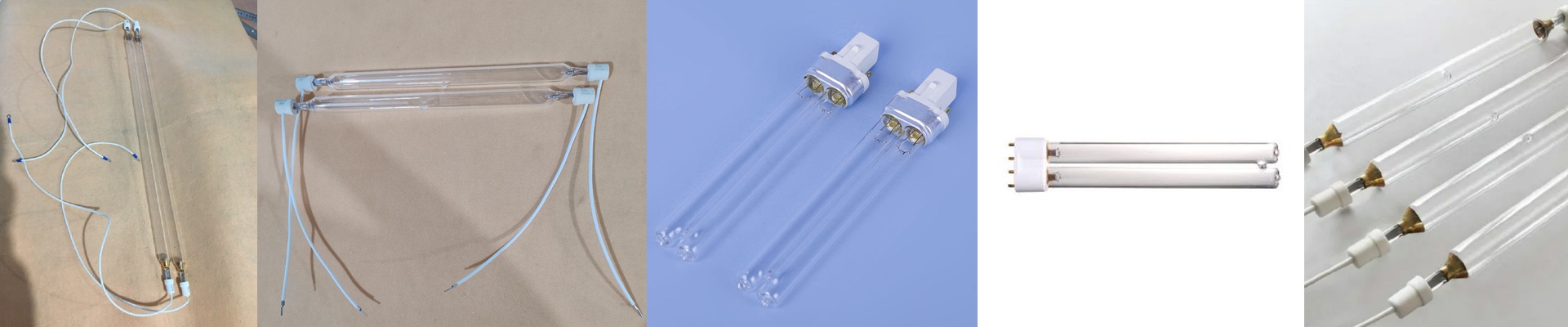
Getting the 120W/cm Mercury UV Lamp Right
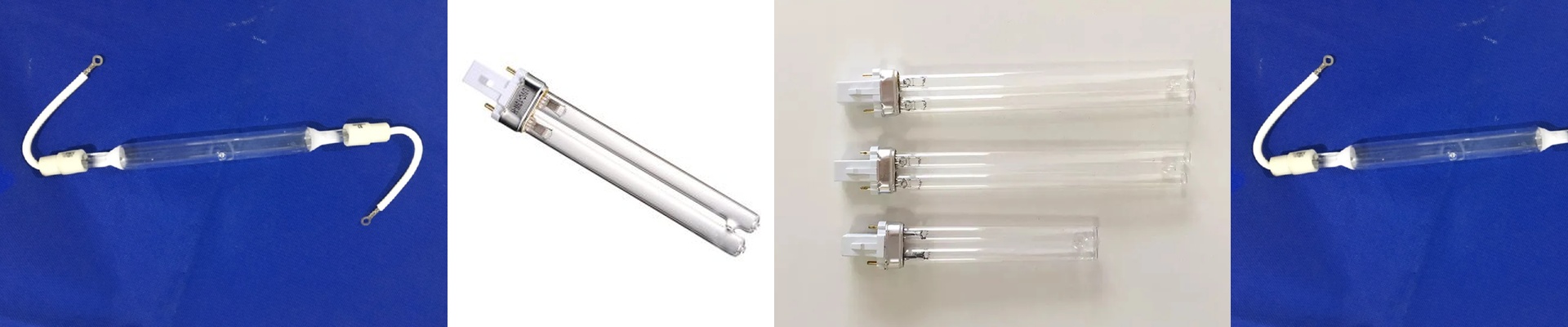
We spent 15 years obsessing over this lamp. Why? Because we were tired of just being another “generic supplier.” We wanted to build something you could pull out of a box and slide right into a Tier-1 system without a second thought. For a lot of high-speed curing lines, 120W/cm is the magic number. But getting there isn’t as simple as just pumping in power.
The tricky part of the physics
Think of 120W per centimeter as the “punch” your substrate takes every second. To make that punch consistent, we have to be incredibly picky about where the electrodes sit and how the mercury vapor behaves. If the winding is off by even a single millimeter? You get hot spots. Those hot spots are a nightmare. They lead to uneven curing, and in the worst cases, they’ll actually burn your product. It’s a tiny margin of error, but it’s the difference between a perfect finish and a ruined batch.
Quartz, Mercury, and the Balancing Act
We use high-purity fused quartz because this stuff takes a beating. It has to handle rapid heating and cooling without cracking under the pressure. Then there’s the mercury fill. It’s a tightrope walk. Put in too much, and the internal pressure spikes, killing the lamp’s lifespan. Put in too little, and your UV output tanks. We’ve spent years finding that sweet spot so the lamp doesn’t just give up on you when you’re running at full load.
Real-world talk: Heat and Trade-offs
Here’s the thing: these lamps work with almost any standard UV system, but they aren’t magic. That 120W/cm output puts out a lot of infrared heat along with the UV. If your conveyor is crawling or your fans aren’t pulling enough air, that heat will warp your thin films or PET substrates. You’ve got to make sure your line speed matches the thermal output, or you’re going to have problems. And let’s be honest—these lamps don’t last forever. It’s just the nature of mercury systems; the electrodes eventually wear down. But by tightening up the quartz wall thickness and cleaning up the gas purity, we’ve managed to get the stability and lifespan right where they need to be to compete with the best in the world.