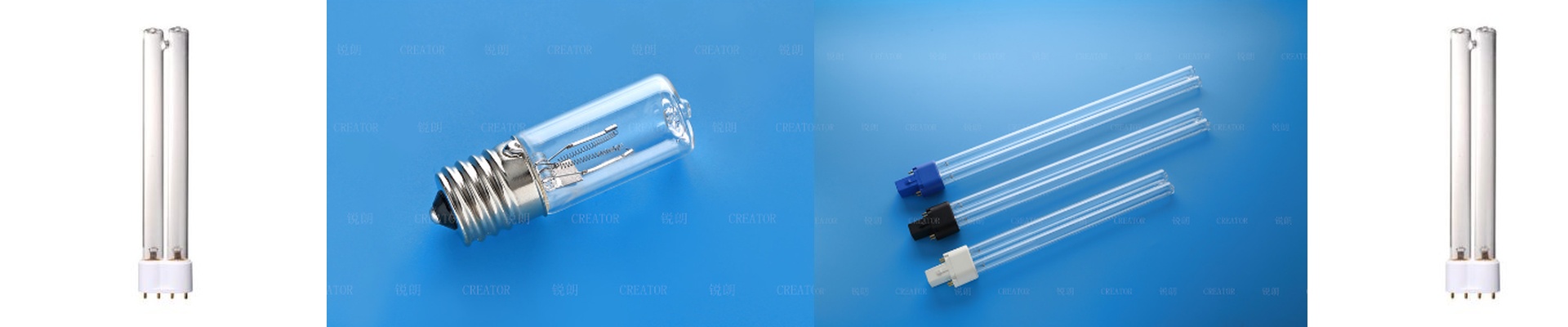
Making Mercury UV Tubes Actually Last
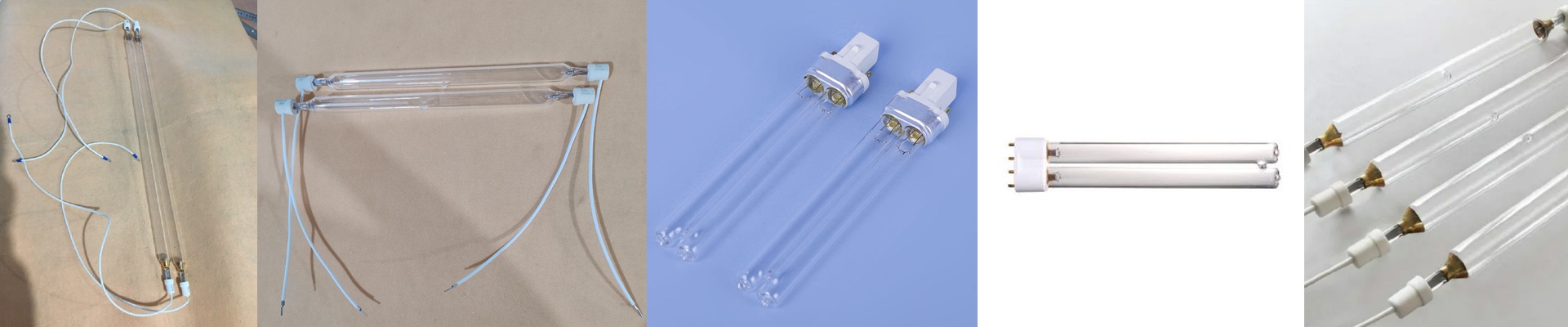
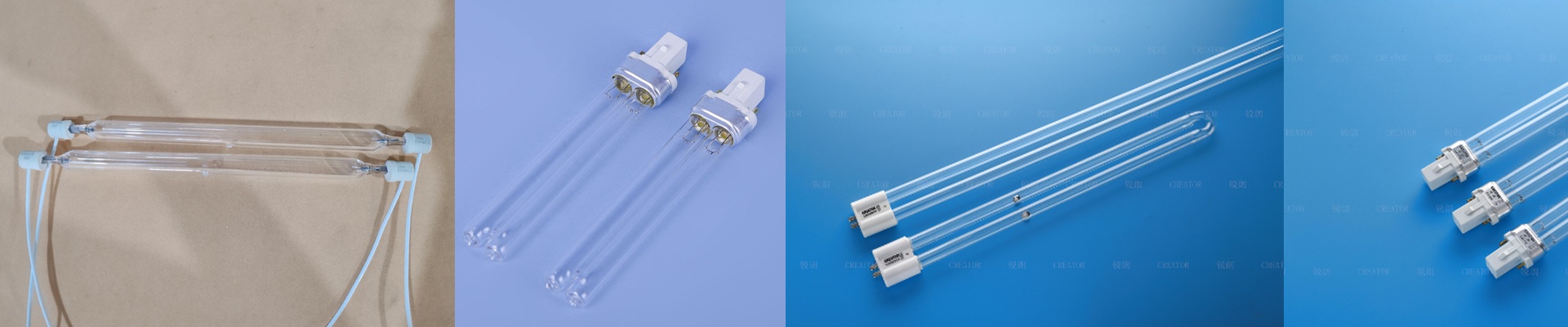
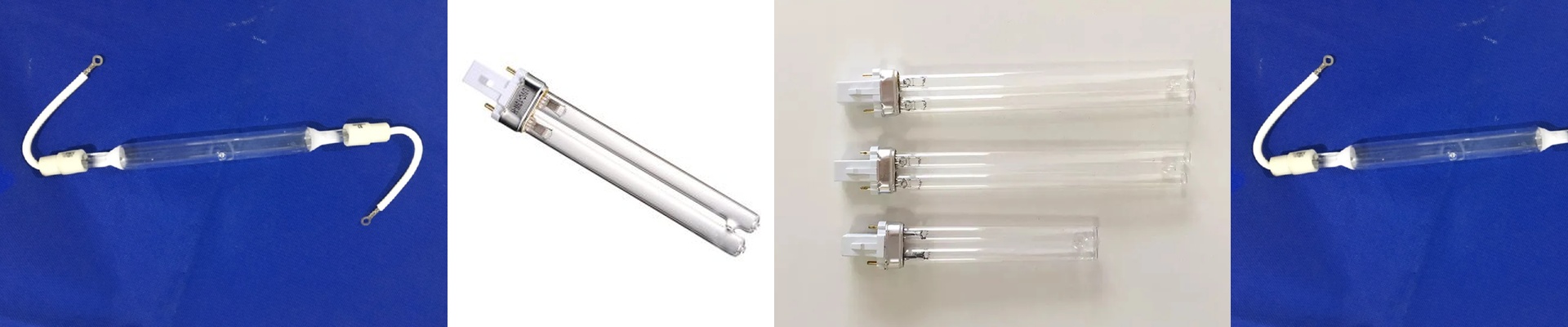
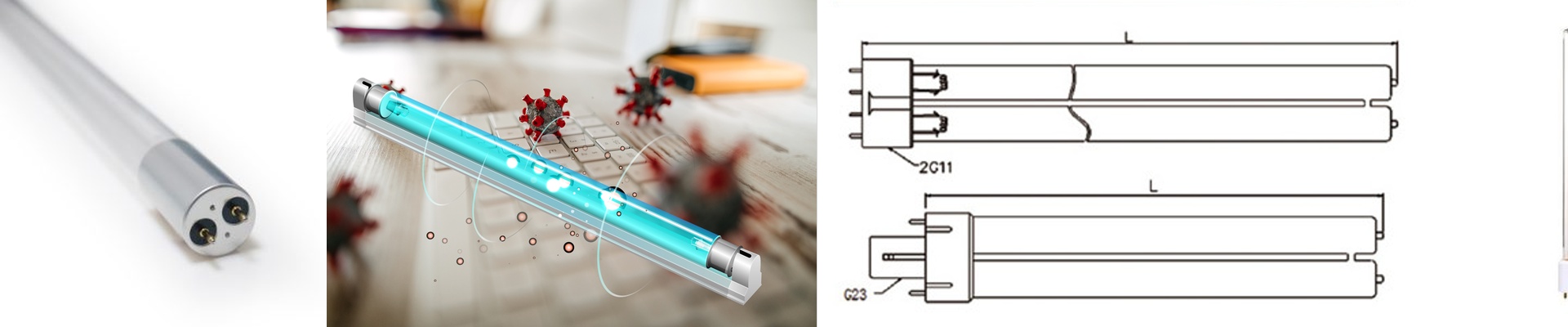
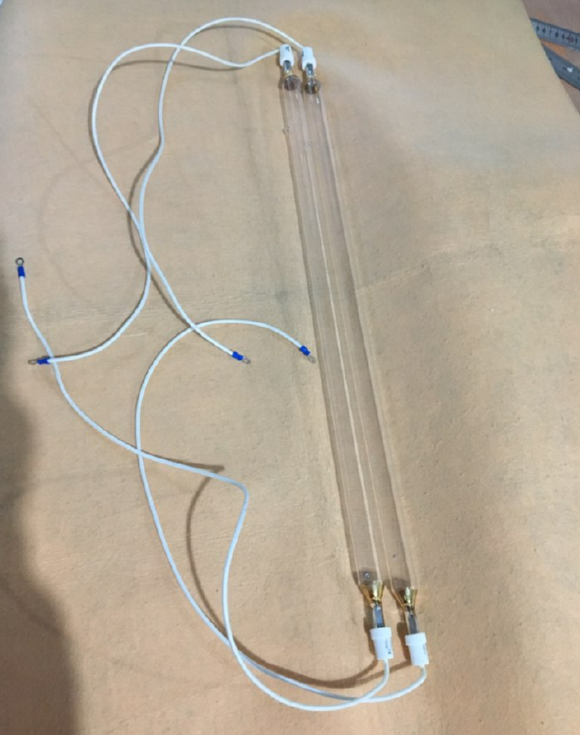
Mercury vapor lamps are the heavy lifters of the UV curing world. But let’s be honest: there’s nothing more frustrating than a tube burning out right in the middle of a high-volume run. We build our long-life tubes to take the heat. They aren’t just “parts” you swap out; they’re the heartbeat of your production line. When they work right, your line speed stays up and your cure quality stays consistent.
The secret to a longer life
Most standard tubes die because the electrodes just give up. To fix that, we use specific alloys and high-purity quartz glass. It slows down how fast the mercury arc evaporates, which means you get a much longer window of peak performance before the light starts to fade. You’ll notice the light looks different, too. We’ve balanced the UVC and UVB peaks so your ink’s photoinitiators actually kick in the way they should. One quick tip: if you’re running a high-wattage setup, double-check your ballast. If the impedance doesn’t match the lamp, you’re asking for trouble. It’ll eat through the tube’s life and might even fry your transformer.
Dealing with the heat
High-intensity UV lamps put out a ton of infrared heat. It’s intense. Because of that, we offer different quartz thicknesses. It’s a bit of a balancing act—you want enough thickness to stop the glass from cracking under thermal shock, but not so much that you block the UV rays. This is where your cooling system comes in. Whether you use air or water-jackets, they have to keep up. If the temperature swings too wildly, the quartz stresses and snaps. It’s a trade-off: more wattage means you can run your conveyor faster, but it puts a lot more pressure on your cooling gear.
Getting it right on the floor
We do more than just put a tube in a box and ship it. We want to look at your actual setup—things like how far your print head is from the substrate and how fast your conveyor is moving. If you’re seeing “skinning” or the ink isn’t curing all the way through, it’s usually not the lamp’s fault. More often than not, it’s a distance issue or the tube is just getting old. We’ll help you crunch the numbers on the dosage (mJ/cm²) so the ink bonds completely. That way, you don’t have to deal with peeling or smudging when the paper hits the folding machine.