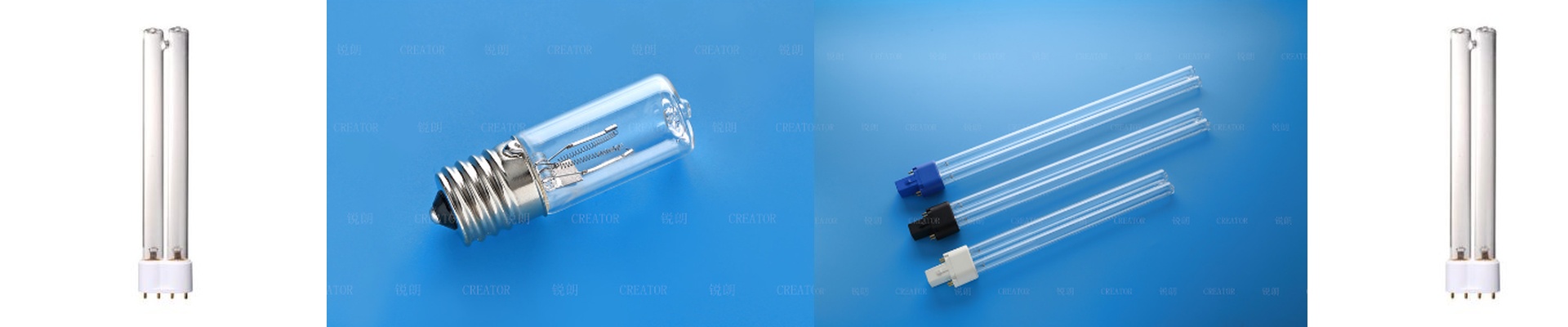
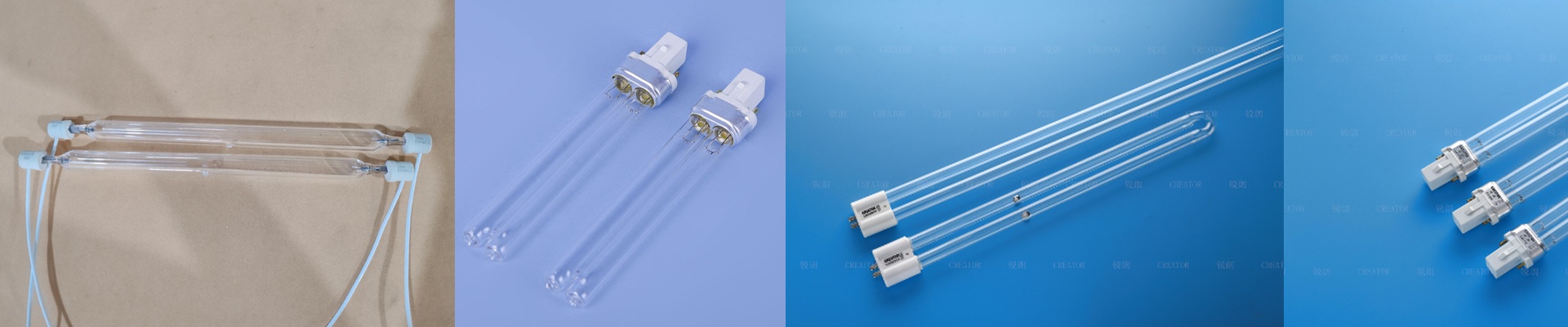
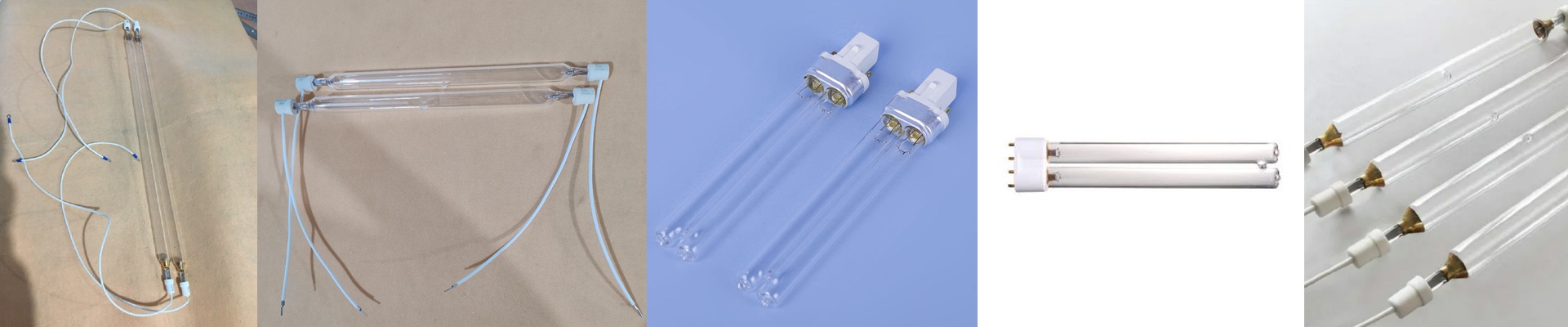
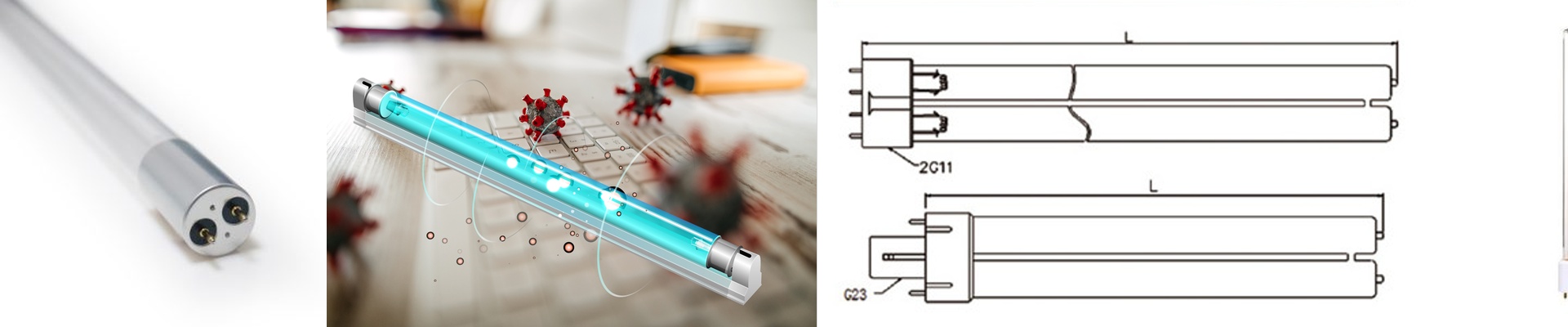
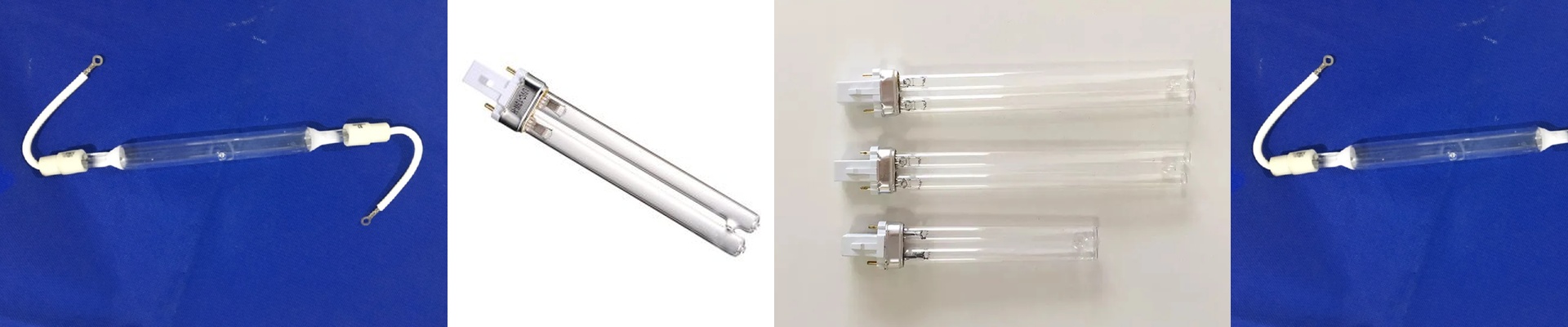
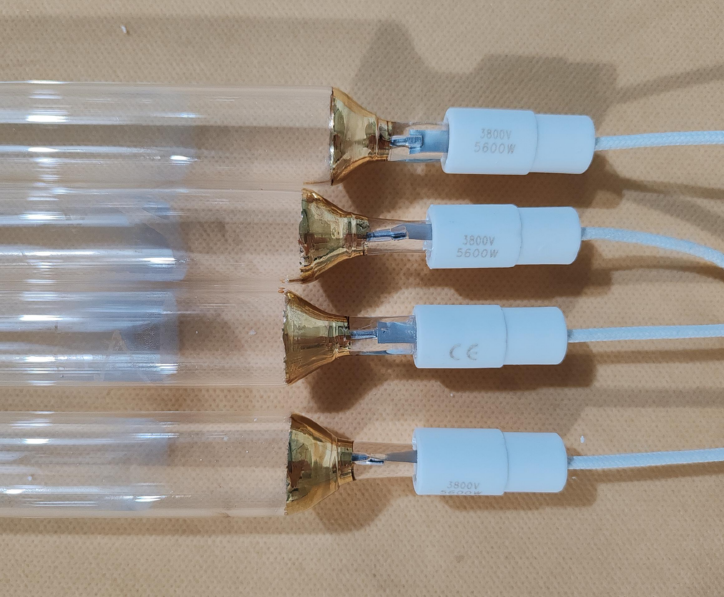
We’ve spent time auditing about 3,000 printing plants, and we noticed something frustrating. There is a massive gap between what the lab says a UV lamp can do and what actually happens on the shop floor. Too many shops are dealing with ink that isn’t curing evenly or lamps that die way too early. Usually, it’s because the setup just doesn’t match the actual speed of the line. Here is the thing about high-pressure mercury lamps: they use an electric arc to get mercury vapor moving, which creates that UV radiation we need. Specifically, we’re looking for those 254nm and 365nm peaks. To make that happen, you need a strong start and a steady current. If your ballast isn’t an exact match for the tube’s wattage, you’re going to get flickering. Or worse, you’ll just cook the electrodes and kill the lamp. We’ve seen way too many engineers try to “make it work” with mismatched parts. It never ends well. Then there’s the heat. The quartz envelope takes a beating. We use high-purity fused quartz so the glass doesn’t bow when things get hot. But don’t forget the reflector. A lamp is only as good as the mirror behind it. If that mirror is pitted or slightly off-center, you’re losing 30% of your power before the light even touches the ink. Now, you might think, “I’ll just crank up the wattage to speed up the line.” Don’t do that. High-wattage tubes put out a ton of IR heat. If your cooling—whether it’s air or water—can’t handle that load, you’ll end up warping your paper or PET. It’s a delicate dance between getting enough UV dose and not melting your materials. One last tip: use high-temp leads and keep your shielding tight. UV leakage isn’t just a safety headache. Over time, it actually eats away at the plastic parts of your machine. Keep it contained.