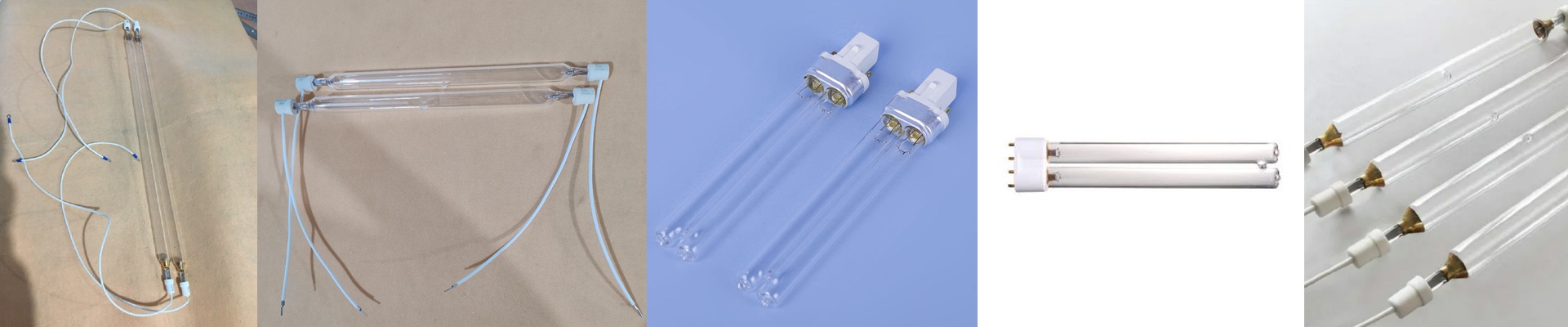
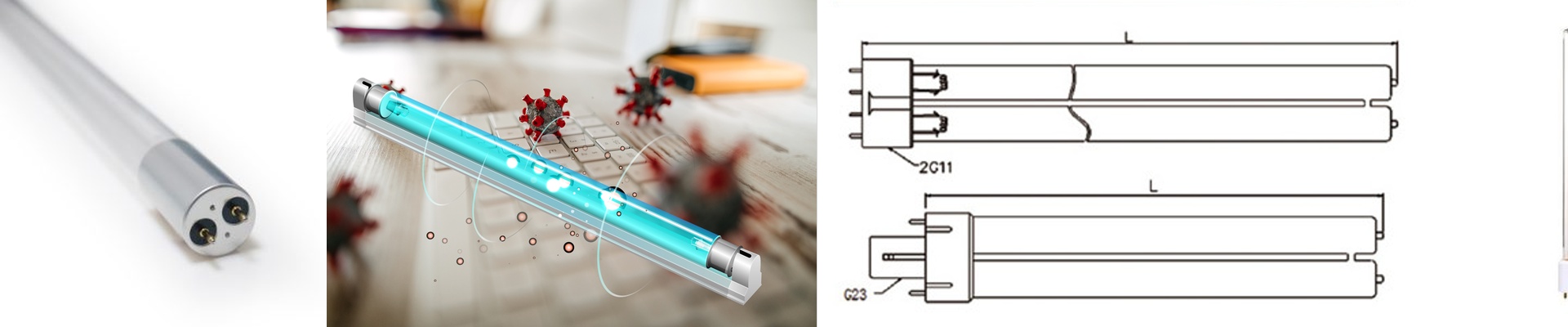
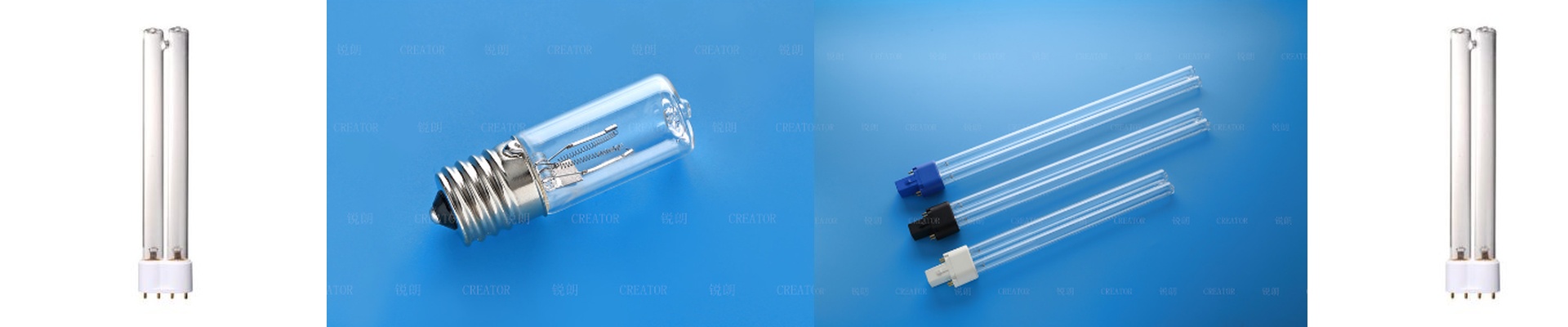
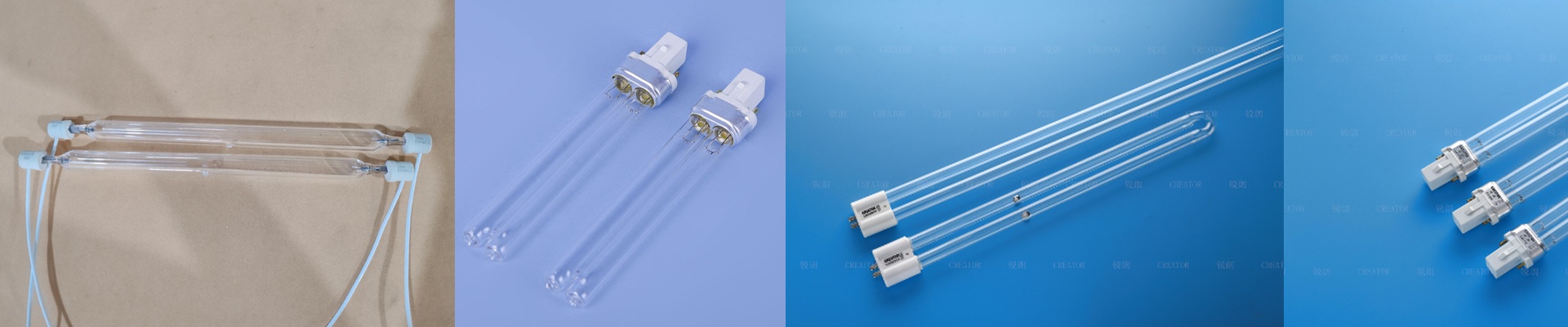
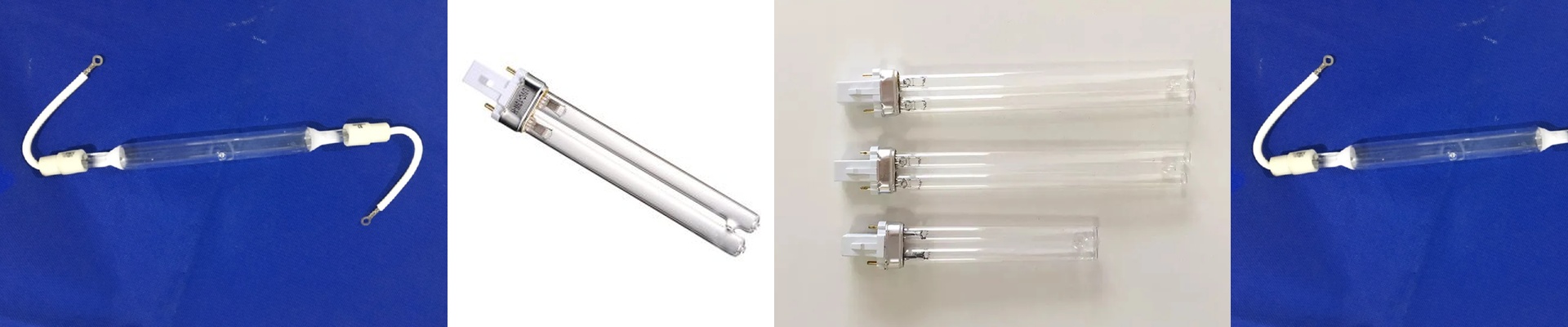
Let’s Talk About Mercury UV Curing Bulbs
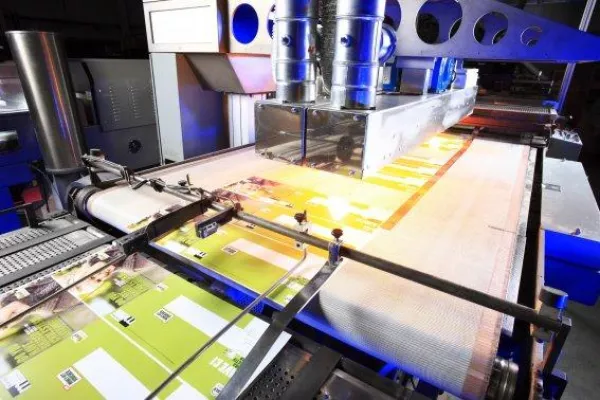
If you’ve spent any time in industrial curing, you know mercury vapor lamps are the real heavy lifters. They do one thing and they do it fast: they hit liquid resins with a blast of UV light, turning them into solid films in a heartbeat. It’s basically science making your ink dry in milliseconds so you can keep the line moving. Getting the power right Here is the thing about these bulbs. They work by ionizing mercury gas inside a quartz tube, which creates a big burst of UV light—specifically peaking at 254nm. But you can’t just throw any bulb in any machine. We spend a lot of time balancing the wattage and the length. Why? Because if you cram a high-wattage bulb into a housing that’s too short, you’re going to bake your reflector. Plus, you’ve got to make sure your ballast matches the bulb’s voltage. If they aren’t in sync, your bulb is going to burn out way sooner than it should. The quartz struggle We use high-purity fused quartz for the glass. It’s great because it lets the UV rays fly through without getting blocked, and it can handle the insane heat of the arc. But there’s a catch. Quartz is brittle. And it’s picky. If you touch the glass with your bare hands during installation, the oil from your fingerprint creates a “hot spot.” That little smudge is often all it takes to crack the entire tube. Trust me on this:wear lint-free gloveswhen you’re wiring it up. It saves a lot of headaches. Fitting them into your line The good news is these are easy, drop-in replacements for most standard UV printing setups. Whether you’re doing offset or screen printing, they provide the raw energy you need to keep speeds high. Just keep an eye on your cooling. These lamps put out a massive amount of infrared heat along with the UV. If your fans aren’t pulling enough air, you’ll see the ink blister or the substrate warp before it even has a chance to cure. Keep it cool, and you’re golden.