Stop the Flicker: Dealing with Electrical Noise in UV Curing
If you’ve got a few large-scale presses running in one building, you know exactly how messy the electricity gets. High-voltage UV systems are noisy. They throw off a ton of electromagnetic interference (EMI) that can wreak havoc on everything around them. If your lamps aren’t built to handle that chaos, you’re going to see it in your work. Flickering. Ghosting. Bulbs that burn out way before they should. It’s frustrating, and it kills your productivity.
Keeping things steady when the shop gets loud
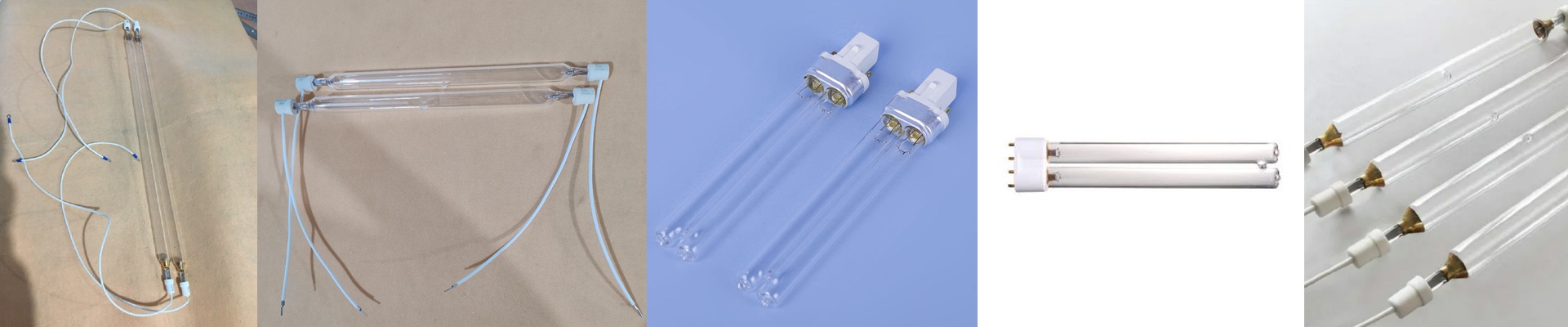
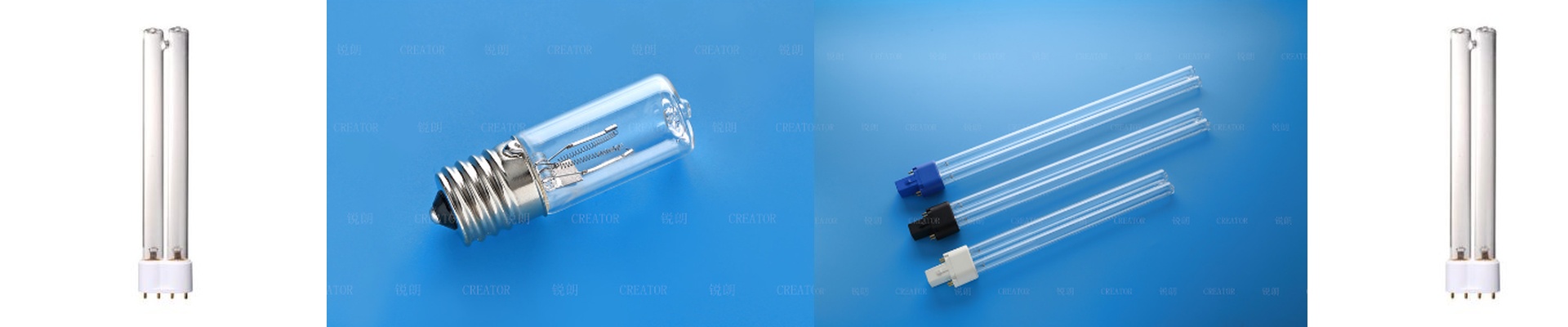
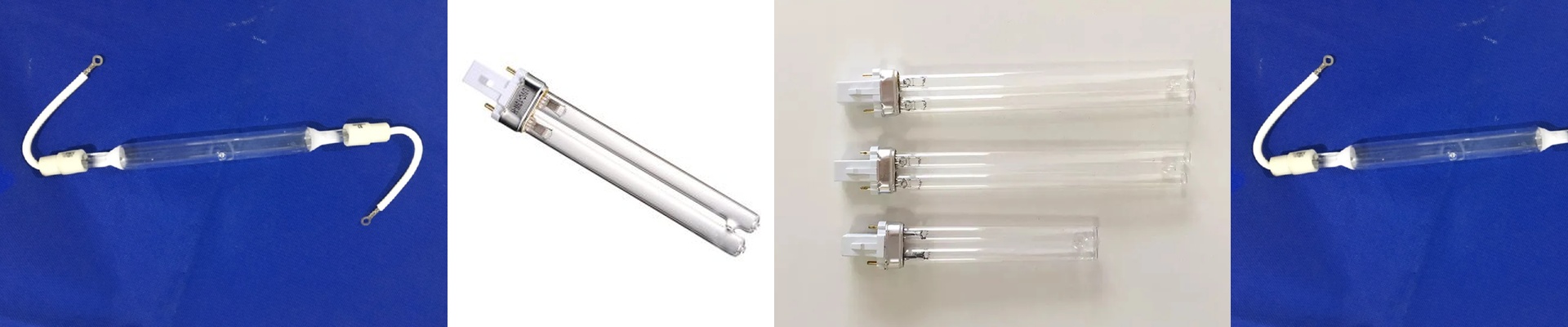
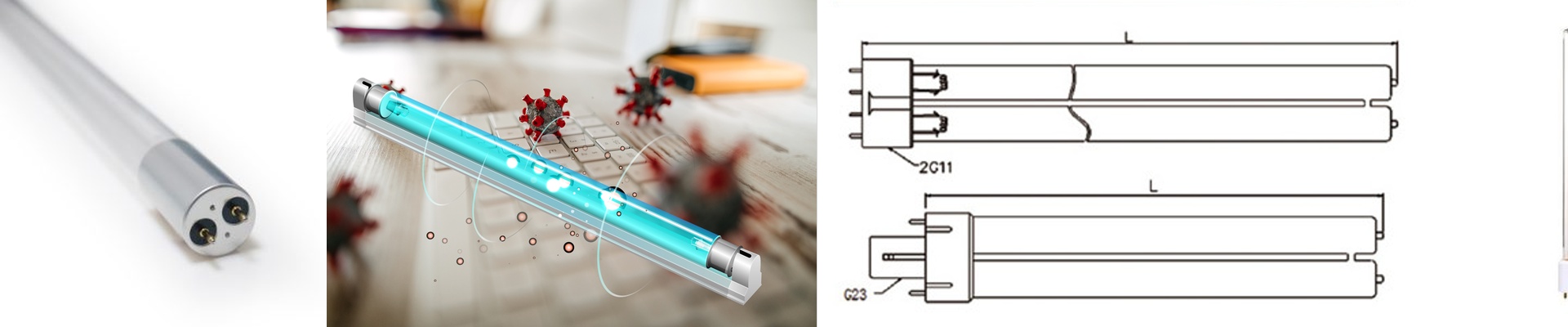
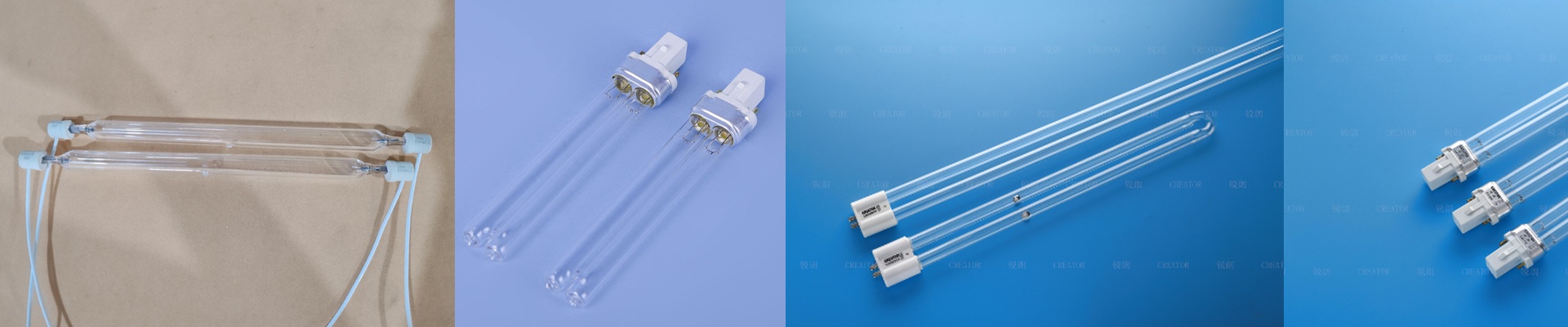
We build our custom UV lamps specifically for that “dirty” power you find on industrial floors. The secret is all in the ballast and the shielding. Think about a shop with ten presses humming along at once. All those inductive loads create these nasty voltage spikes. To fight that, we use heavy-duty filtering components. It basically puts a wall between the lamp’s power supply and all that electrical noise. The result? Your arc stays stable. You won’t see your output dip just because the press next to you kicked into high gear.
Real hardware, not software tricks
We aren’t interested in “software fixes” to patch a stability problem. That’s just putting a band-aid on a leak. Instead, we use high-grade quartz glass and reinforced electrodes. They’re built to take a beating, even with rapid cycling. We also shield the wiring so the lamp doesn’t start acting like a giant antenna, picking up every bit of interference in the room. One quick tip:**make sure your grounding is tight.**Even the best lamp in the world will struggle if your machine’s ground loop is a mess.
What this actually means for your floor
These lamps are for the high-volume shops where every minute of downtime feels like an eternity. By cutting down that EMI sensitivity, we get rid of those “mystery” failures. You know the ones—those random outages that only happen when two specific machines happen to be running at the same time. It saves your maintenance crew from pulling their hair out. Just a heads-up: stability takes up space. These interference-resistant power supplies are usually a bit bulkier than the standard ones. Double-check your cabinet space before you make the swap.