Keeping Your Line Moving with Standard 80W/cm Mercury UV Lamps
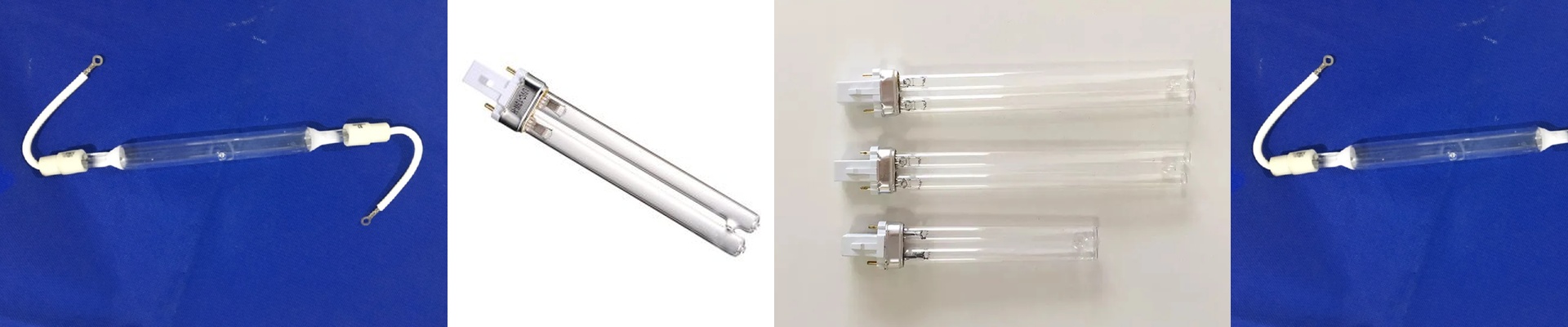
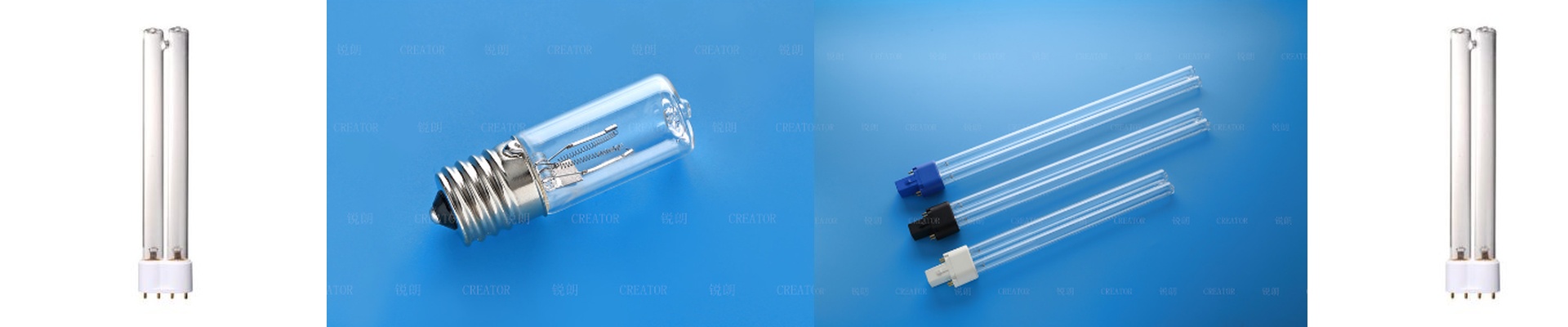
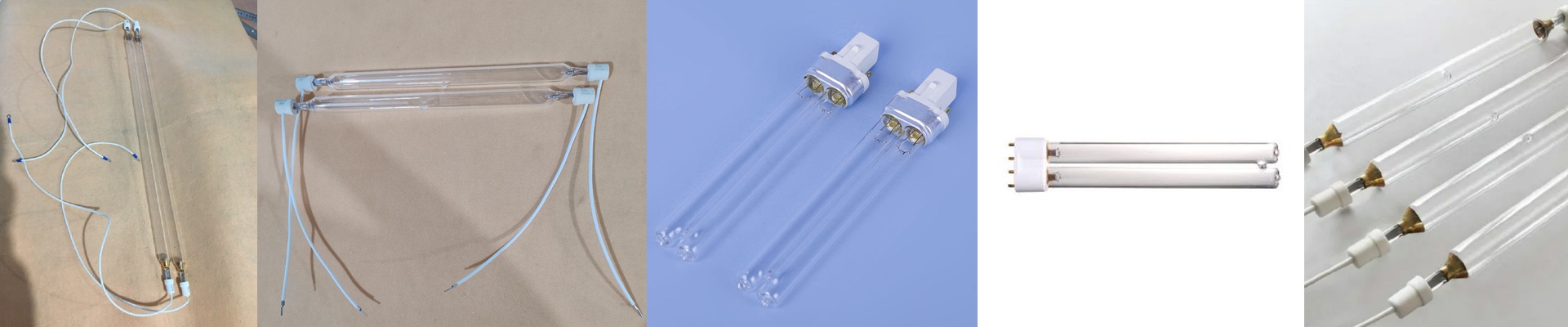
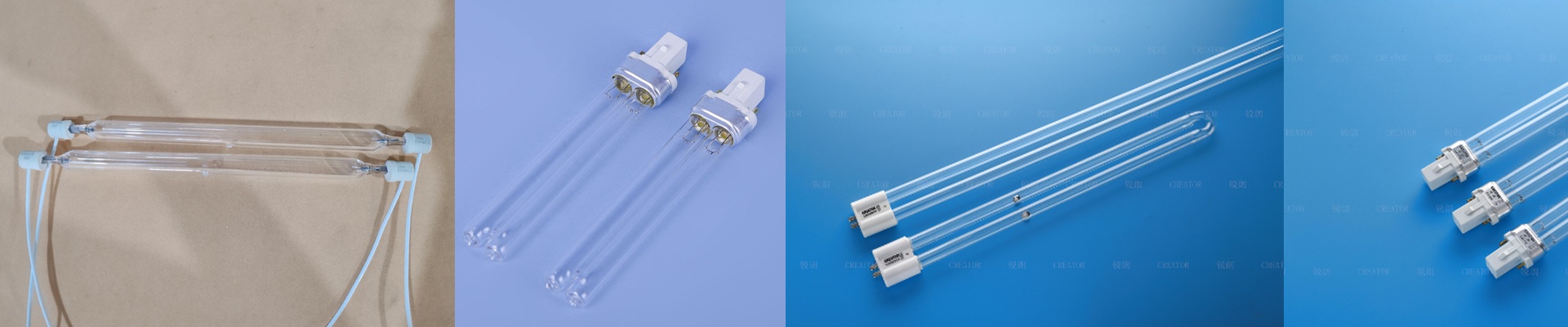
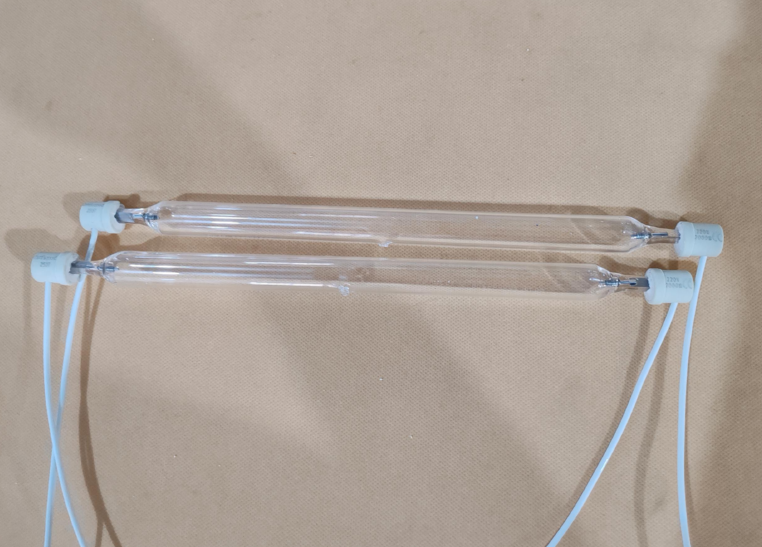
If you’re running a high-volume curing line, you’ve probably noticed that the 80W/cm mercury lamp is everywhere. There’s a reason for that. It just works. It hits that sweet spot for most of the inks and coatings you’re already using, so you aren’t fighting with your chemistry to get a good cure. The best part? We build these to be drop-in replacements. You don’t have to spend your weekend re-engineering reflectors or messing with power supplies. You just swap them in and get back to work.
Let’s talk about the power
When we talk about 80W/cm, we’re talking about linear power density. In plain English: it’s how much UV energy is actually hitting your product per inch of the lamp. Now, it’s tempting to crank up the wattage to speed up the line. But be careful. More power means more heat, and too much heat can make the quartz envelope bow or even crack. We use high-purity fused quartz to help stop that from happening, but physics still wins in the end. If you push the current too hard, you’re just killing your lamp’s lifespan. It’s all a balancing act between how fast your conveyor is moving and what the lamp can actually handle without burning out.
The reality of the supply chain
Nobody wants to tell their boss that production is stalled because they’re waiting six weeks for a custom lamp. It’s a nightmare. That’s why we keep these 80W/cm units in stock. They fit most standard footprints and wire up to your electronic ballasts without any drama. One thing to keep in mind: these aren’t LEDs. They need a few minutes to warm up before they’re hitting full strength. If your process requires you to flick the lights on and off constantly, you’ll need to plan for that lag or just leave them idling.
Where these really shine
These are your go-to for PET coating, adhesive bonding, and clear-coats. Just a heads-up on the heat. These lamps put out a lot of infrared energy alongside the UV. Make sure your cooling fans are actually doing their job. If you’re working with materials that melt or warp easily, just move the lamp a bit further away from the part. It’ll save you from scorching your product and having to scrap a whole batch.