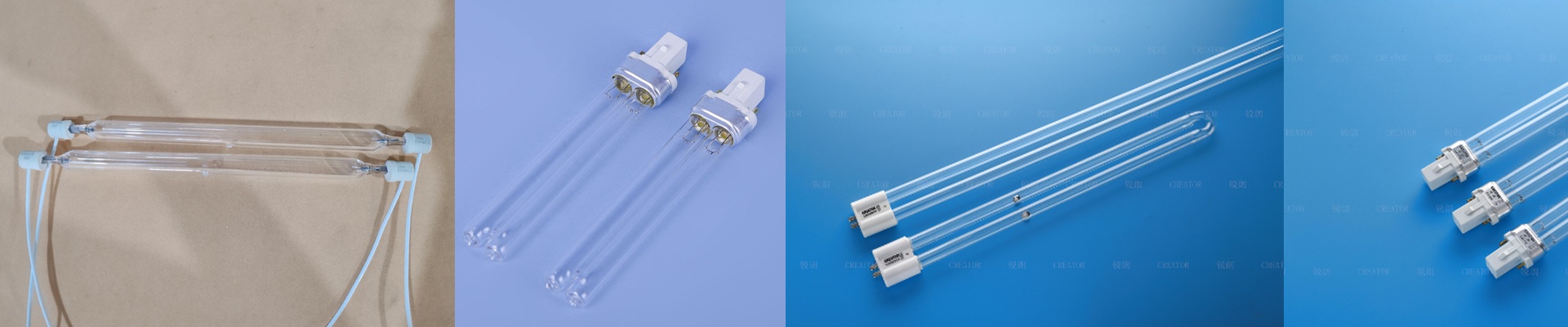
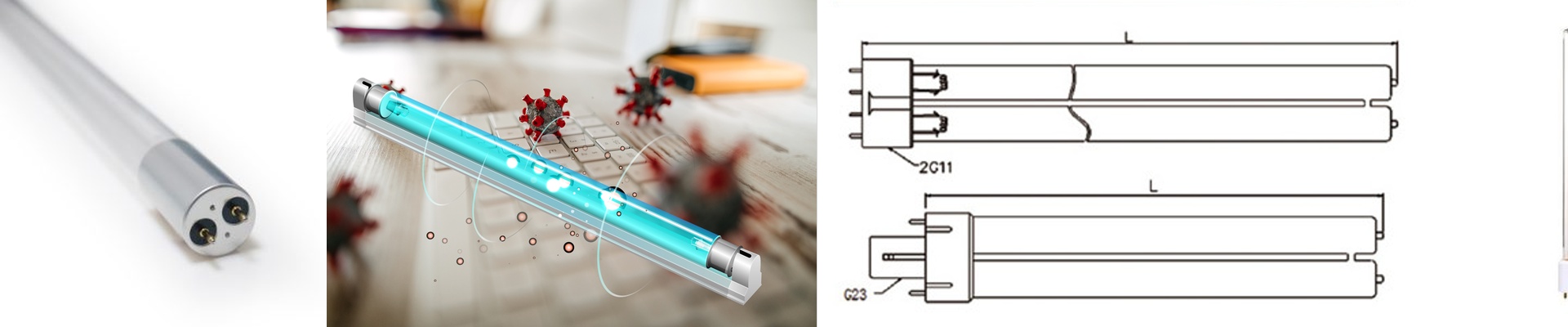
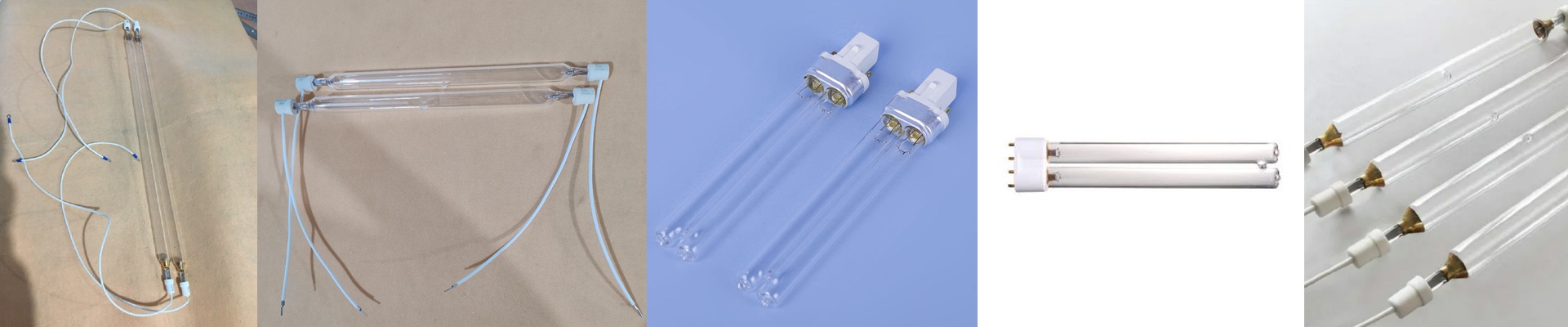
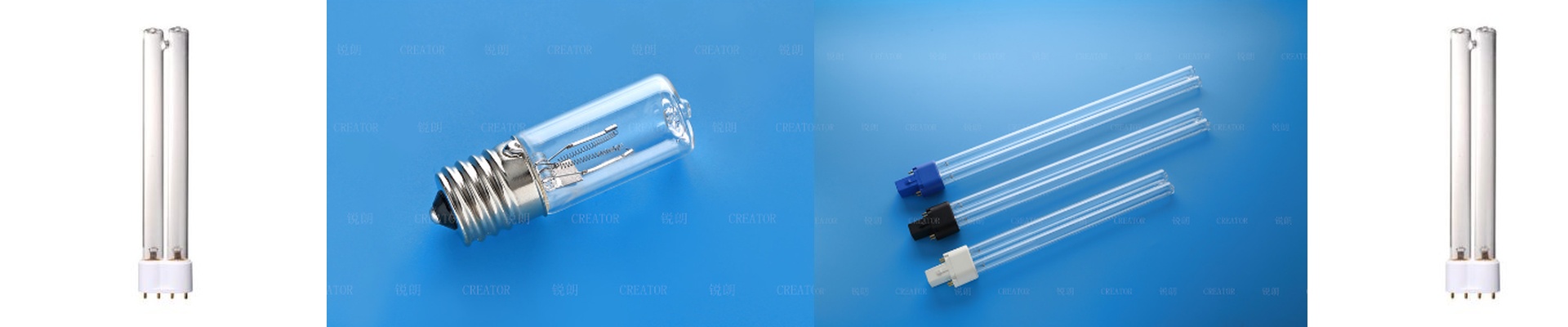
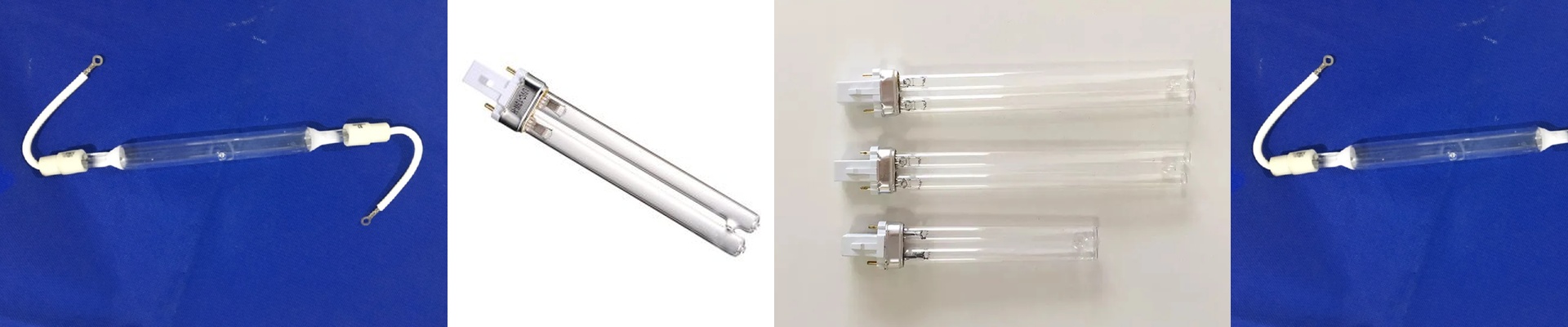
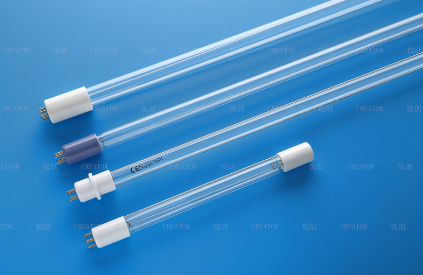
On the screen line, the bottleneck isn’t the squeegee—it’s the drying. No instant cure means wet ink tracks and smears, and you’re stuck running batch-and-hold. The only way to get true spray-and-dry flow is a UV system that hits full output the second it’s on and holds steady energy across the substrate. What matters, technically UV curing in screen is a photochemical reaction: the photoinitiator absorbs photons and kicks off cross-linking in the resin. That takes the right spectral output, delivered at high peak irradiance, to fight oxygen inhibition and pigment absorption. We run a high-pressure mercury vapor lamp built for fast arc stabilization, so it hits target output in seconds—no warm-up idle, no waiting for the reflector cavity to settle. Output is measured as optical power density across the web, and the reflector is dichroic-coated to push usable UV while keeping infrared heat in check. Why it fits the inline reality Inline screen printing is all about matching pace: the print head lays down ink, and the lamp has to cure it before the substrate moves on. The short, high-intensity exposure fixes the ink in place, so you’re not shuttling sheets to drying racks. You get tighter dot gain control, less set-off, and fewer rejects from a marginal cure. Energy use drops because the lamp is only on when the press is running, and lamp life is managed by watching output decay, not guessing hours. Here are the details that bite You have to match lamp output to your ink chemistry—no way around it. If your ink is tuned for 365 nm, a broad-spectrum lamp may still cure, but you’ll pay in efficiency, needing higher speed or more power. Reflector geometry also has to match the print width; mismatched coverage shows up as edge curl and uneven cure. And there’s a trade-off you can feel: higher irradiance speeds cure, but it also heats the substrate more. Sometimes you’ll need to tweak airflow or dwell distance to keep temperature inside the substrate’s limit.