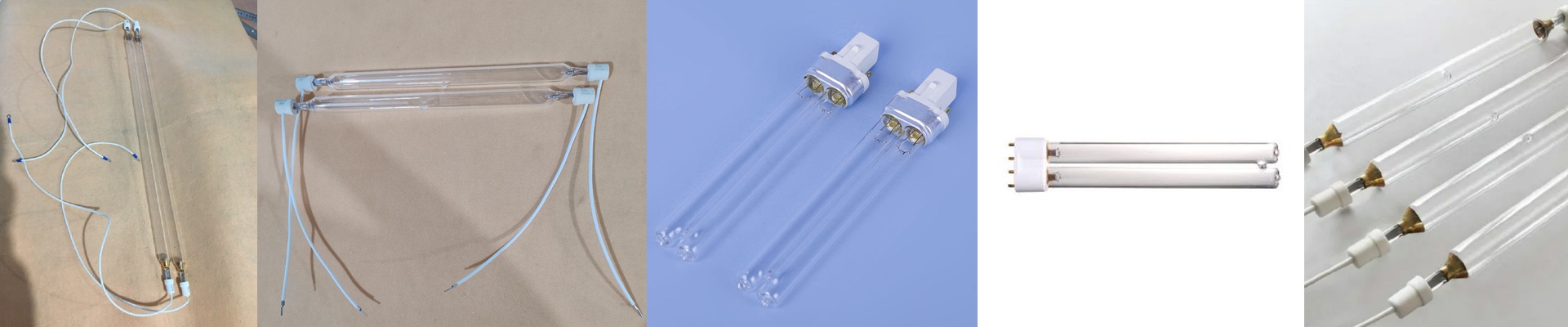
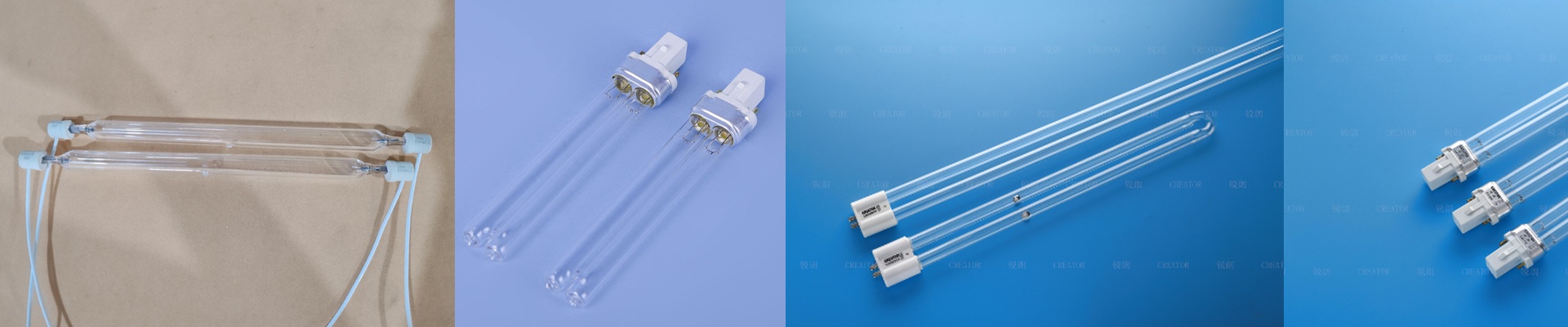
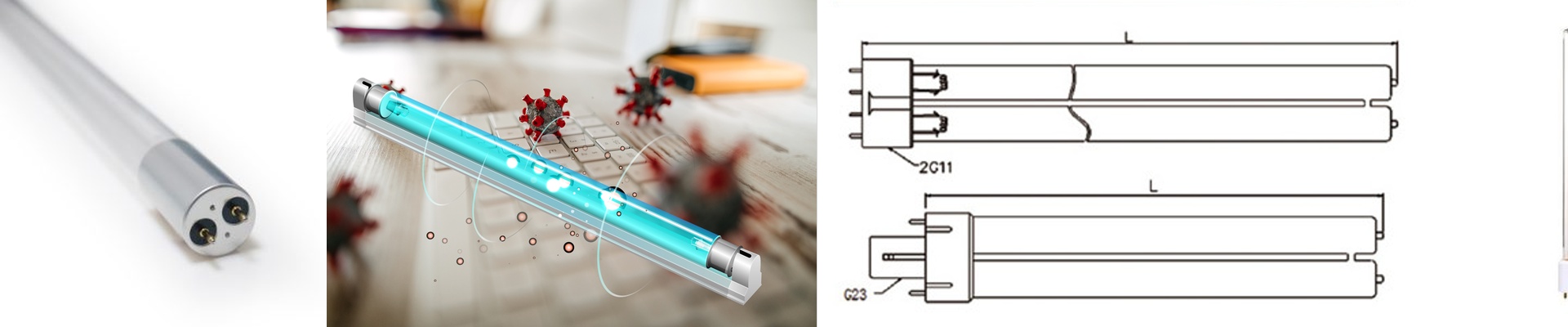
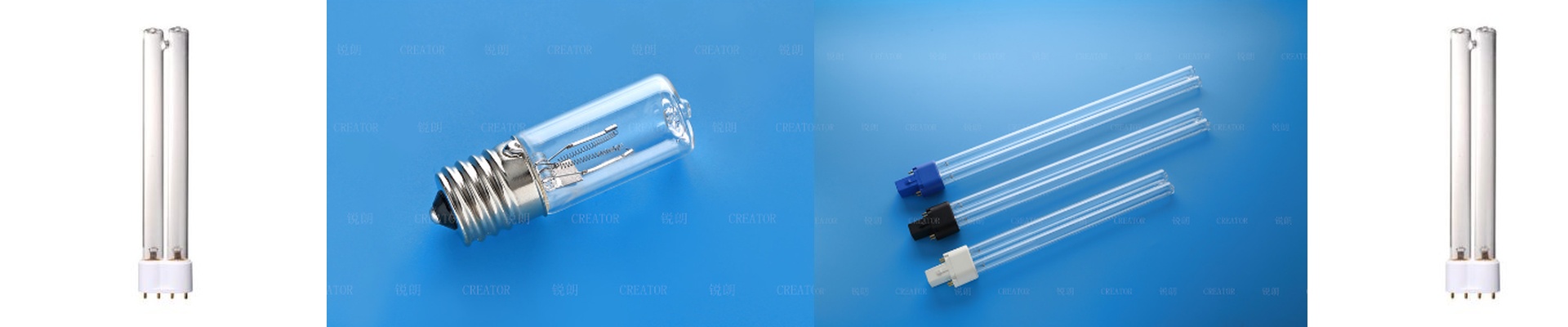
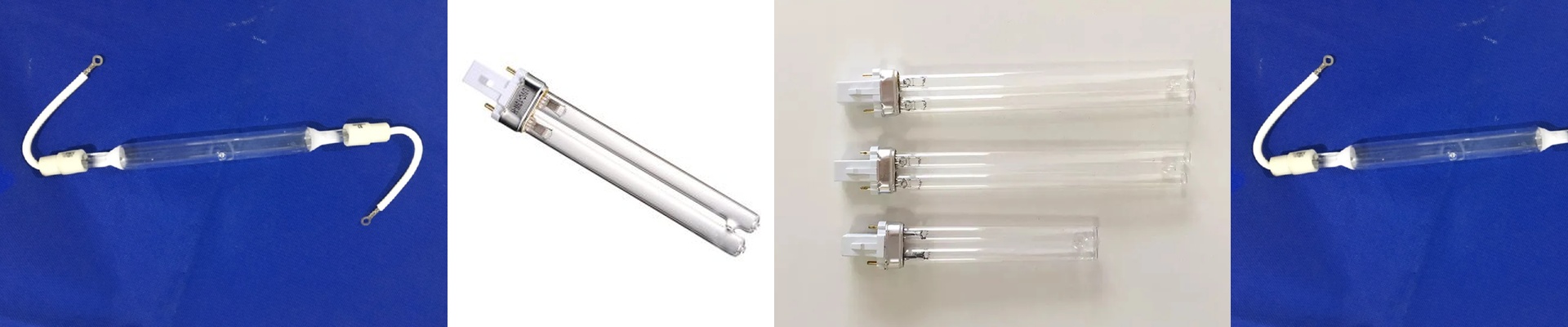
On a press floor that runs shifts, not excuses, downtime hits where it hurts—lost meters and blown ship dates. We build the 1500W and 3000W UV lamp ballasts for textile and industrial printers because we live in the same world you do: high-turnover work, zero room for inventory gaps. When the schedule is tight, the ballast has to fire the lamp clean and hold the output steady—every single time. What matters under the hood These ballasts are built around medium-pressure mercury vapor lamps—the workhorses in UV offset, flexo, and screen. The 1500W and 3000W ratings are matched to the lamp load so the arc stays consistent, and the spectral output stays honest. That means stable peak irradiance at the wavelengths that drive photoinitiator absorption—365nm, 385nm, and 405nm—so cross-linking and surface cure happen predictably across the web. The ballast keeps current and ignition energy in line, holding light intensity without the drift that gives you under-cure or adhesion failure. Why this fits real production High-throughput shops need parts that show up fast and drop in without reworking the line. We set up the supply chain for quick replenishment because waiting is the one thing you can’t afford. Once it’s in the machine, the ballast holds lamp output stable, which cuts variability in curing energy density and helps you keep color density and dot integrity consistent. The payoff is straightforward: fewer reprints, less scrap, and lower energy per cured meter. Here’s what to watch for Match the ballast to the lamp—wattage, arc length, and end-of-life behavior. A mismatch will shorten lamp life and push spectral output out of spec. Check connector type, mounting, and cooling airflow for your specific curing module. And confirm whether your lamp is ozone-free; those configurations often need different reflector coatings and venting to keep chamber temperature where it should be.