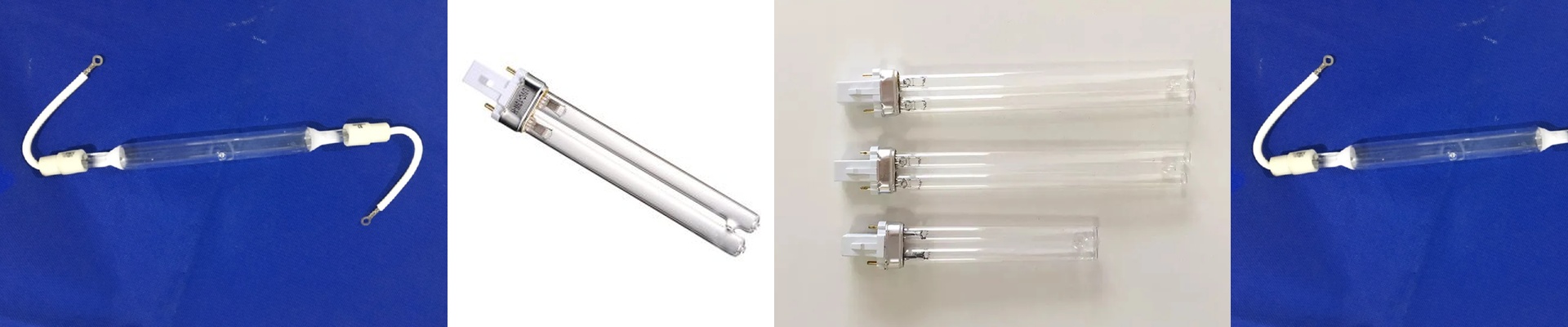
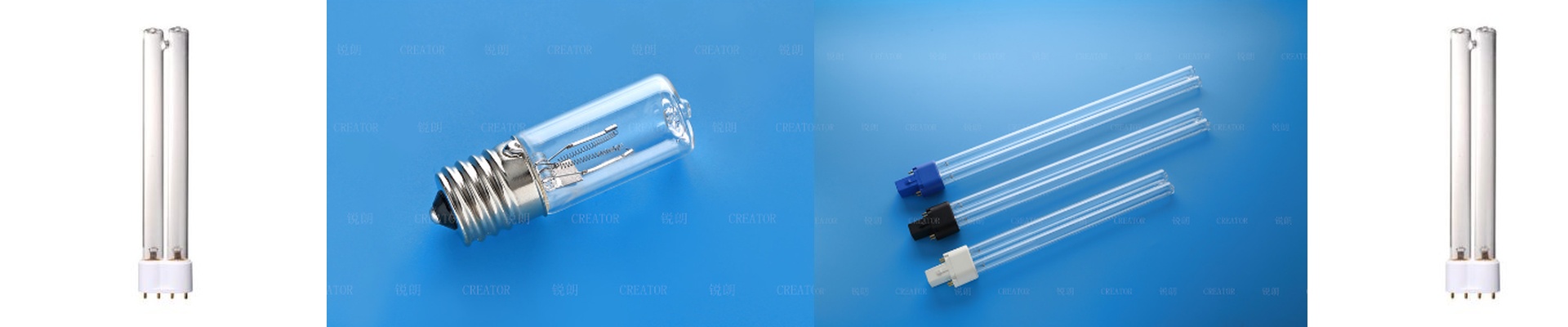
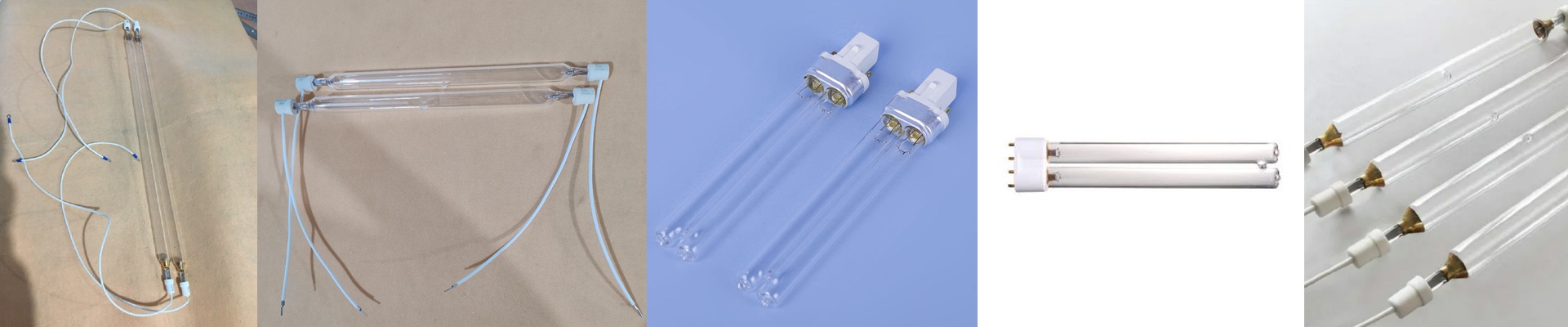
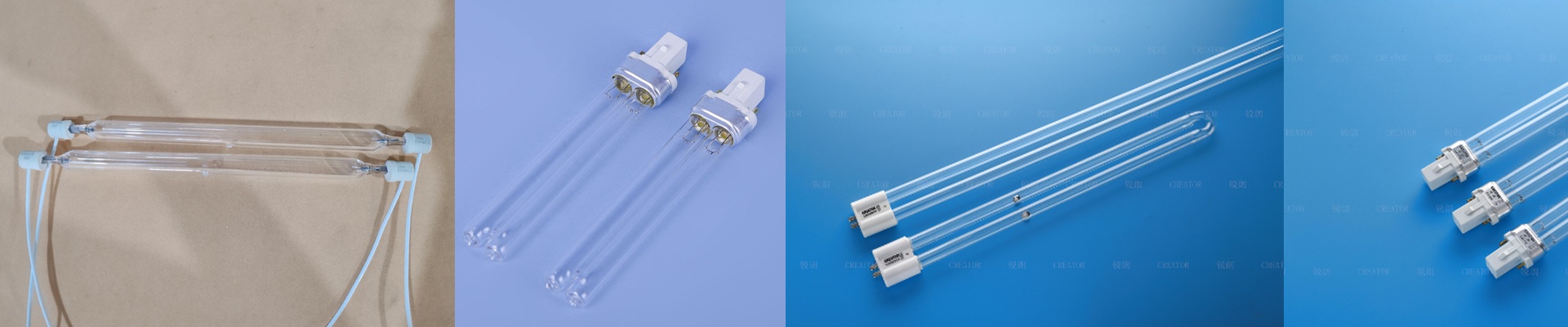
In lab photochemical reactors, it’s the photon energy that sets the reaction path, not the total lamp wattage. Throw in a spectrum that doesn’t match, and you get parasitic wavelengths that throw off photoinitiator activation and create side reactions. The outcome is kinetics you can’t reproduce and validation runs that fall apart. What actually matters under the hood We build UV lamp bulbs around the narrow spectral window photochemistry actually demands. Start with a high-purity quartz envelope and a stabilized mercury vapor fill. That gives you discrete, stable emission lines at 365 nm and 254 nm, with tight control on the bandpass. A dichroic reflector coating then shapes the output, trimming spectral sidebands and pushing peak irradiance where it needs to be—right on the reaction plane. We spec output as irradiance (mW/cm²) at a defined working distance, and we track stability against the lamp life degradation curve. The target is a 1,000-hour half-life with under 8% output drift, so dose repeatability holds from run to run. Why this approach clicks for photochemistry Lab-grade photochemistry needs a predictable photon budget. With these bulbs, you get a repeatable spectral signature that lines up cleanly with the photoinitiator absorption profile. That means consistent cross-linking efficiency, conversion rates you can count on, and cleaner experimental data. The system runs cooler, so you’re not dumping extra heat into the reactor. And because it’s ozone-free, the chamber chemistry stays stable. A few shop-floor details to keep you out of trouble These bulbs are calibrated to specific reactor geometries and power supplies. Match the ignition voltage and ballast to the lamp—mismatched drivers cause arc instability and will cut lamp life short. Always handle with clean gloves. Oils and residues on the quartz will cut UV transmission. Before each critical run, verify spectral output with a calibrated radiometer at the sample plane and record the baseline irradiance.