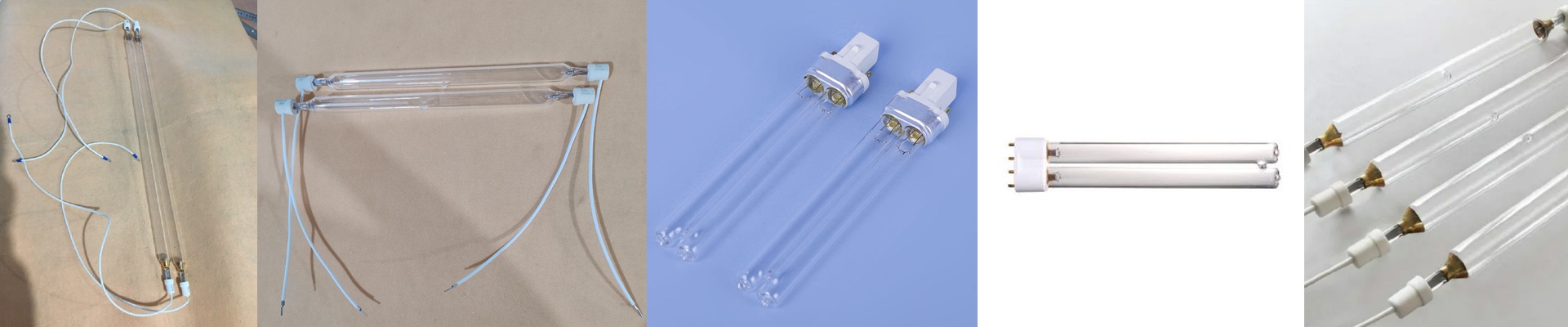
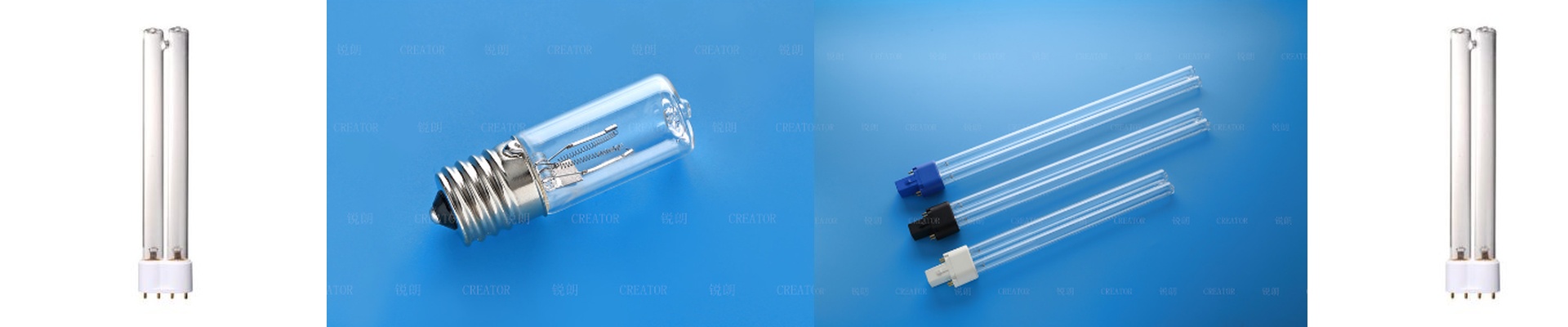
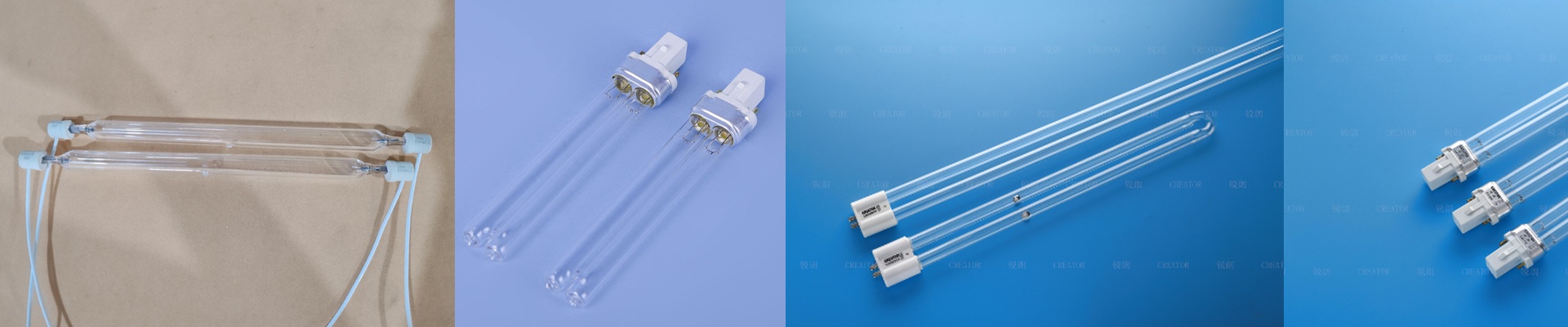
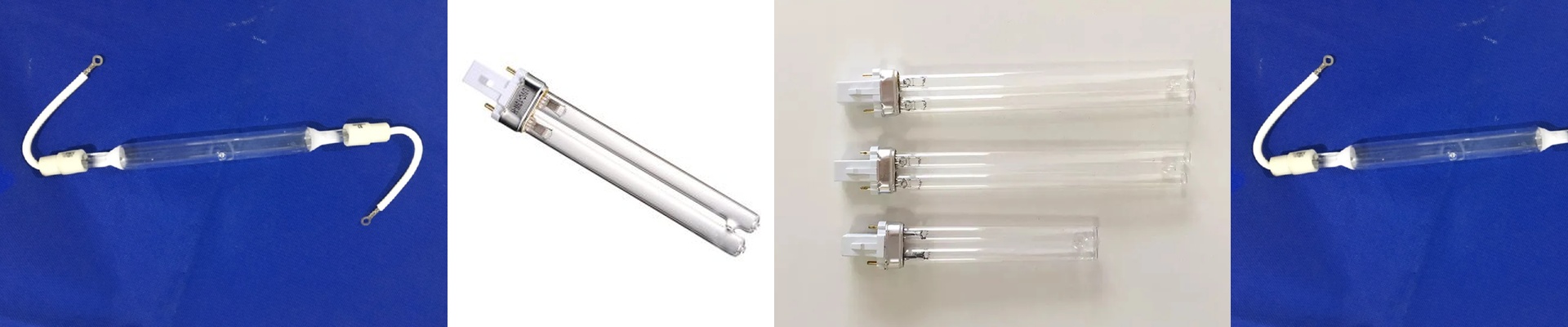
On the PCB line, the solder mask cure is where the fine details either stick or fall apart. As traces and spaces get tighter, under-cure leaves you sweating adhesion, and over-cure makes the mask brittle and hard to rework. It’s not just about raw UV dose. It’s about whether the spectral output actually lines up with the photoinitiator chemistry in the mask. What matters, technically A spectral gallium lamp pulls output toward the 395–410 nm band and cuts down the 254 nm and 313 nm spikes that drive extra heat and ozone. That tighter envelope gives you higher peak irradiance at the dominant wavelength, so the energy lands where the photoinitiator can absorb it efficiently. You want stable arc stability, consistent spectral distribution over the life of the lamp, and a reflector design that keeps uniformity across the board. In practice, that means faster cross-linking with less substrate temperature rise. Why it fits here On dense boards, the gallium spectrum hits the right energy density at the right wavelength: it sets the surface cure quickly while still penetrating into line edges, without scorching the laminate. The payoff is repeatable adhesion in micro-gaps, fewer pinholes, and a process window that can handle line-width variation. Compared to standard mercury sources, gallium lamps often run longer and pull less energy per part. That directly improves cost per board when you add up lamp replacements, maintenance windows, and scrap. Things to keep straight Gallium lamps are wavelength-specific, so the reflector dichroic coatings and system optics have to be matched to the 395–410 nm band. If you’re integrating into an existing UV line, you may need to re-spec the lamp housing, shutter tolerances, and cure window distance to hold peak irradiance. If oxygen inhibition is an issue with your mask, run with nitrogen inerting. And don’t chase power alone — confirm spectral output with a radiometer to keep the process in control.