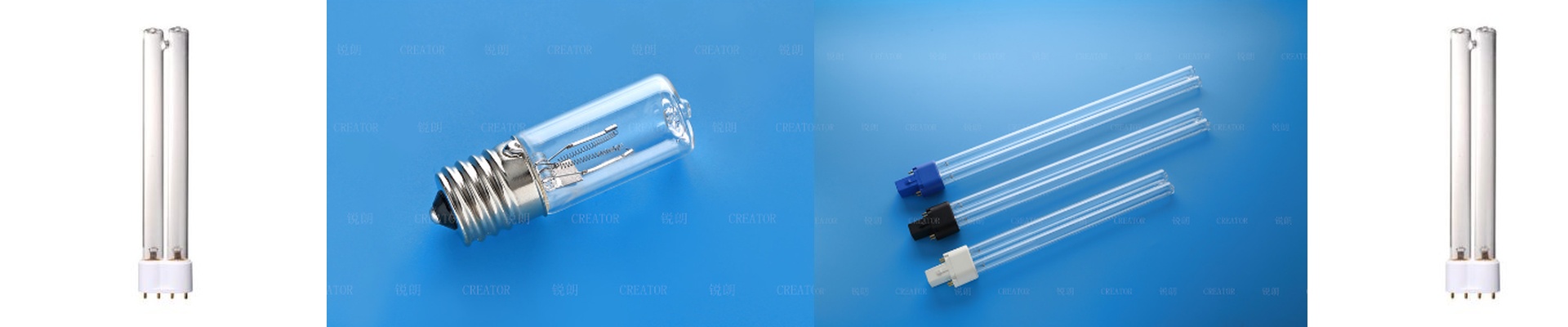
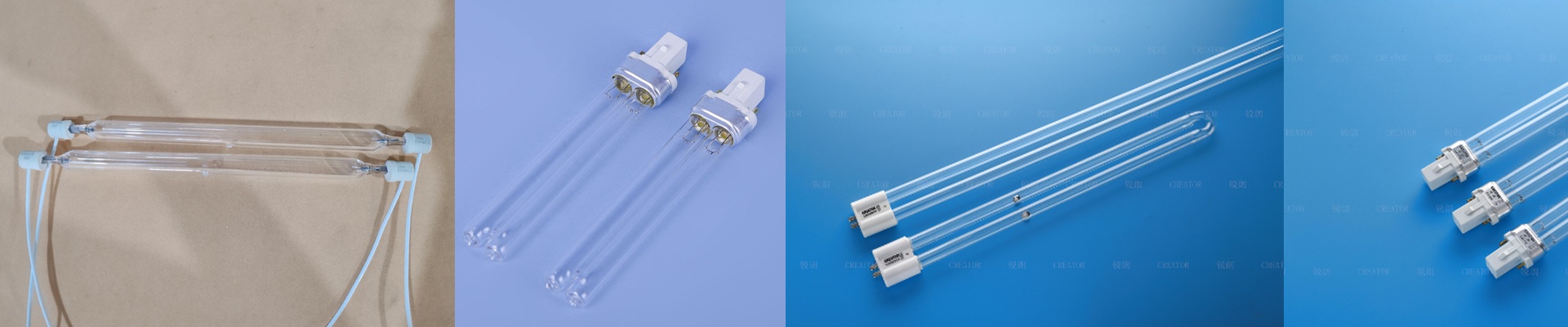
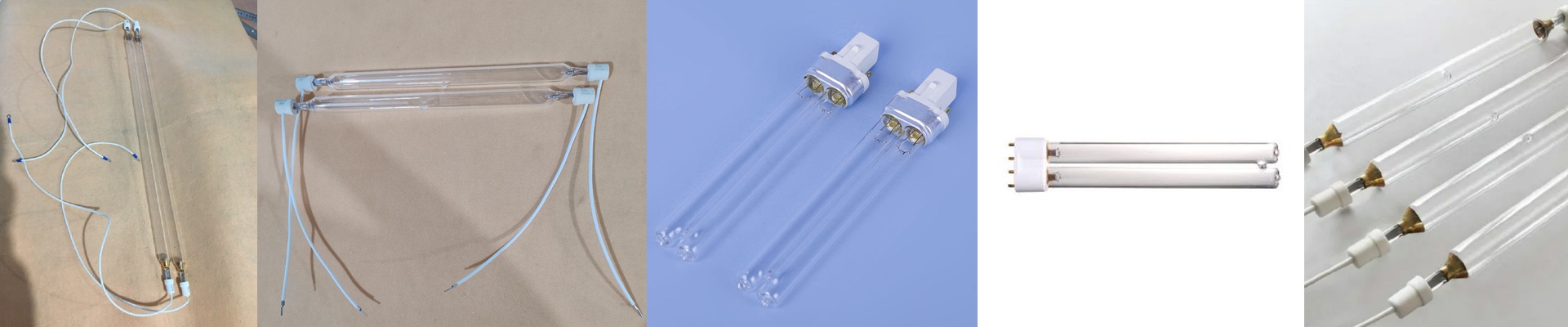
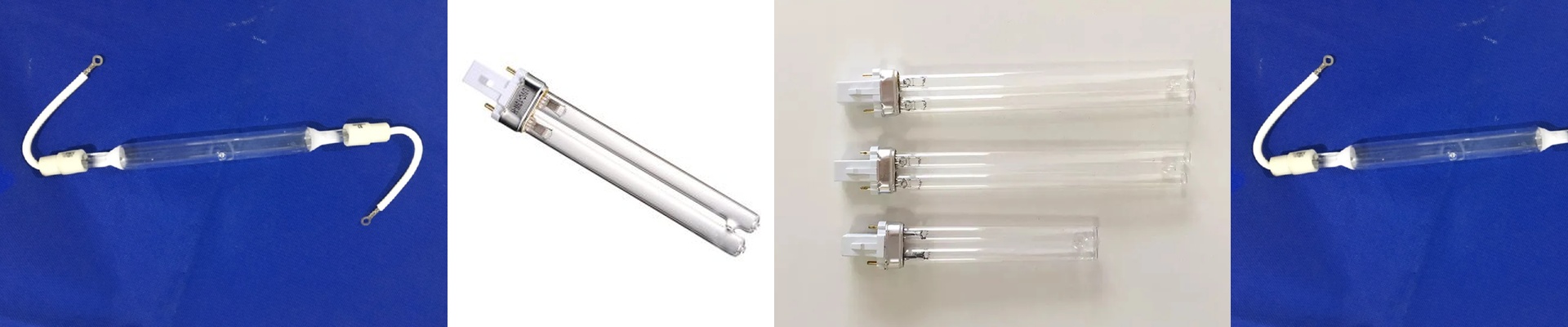
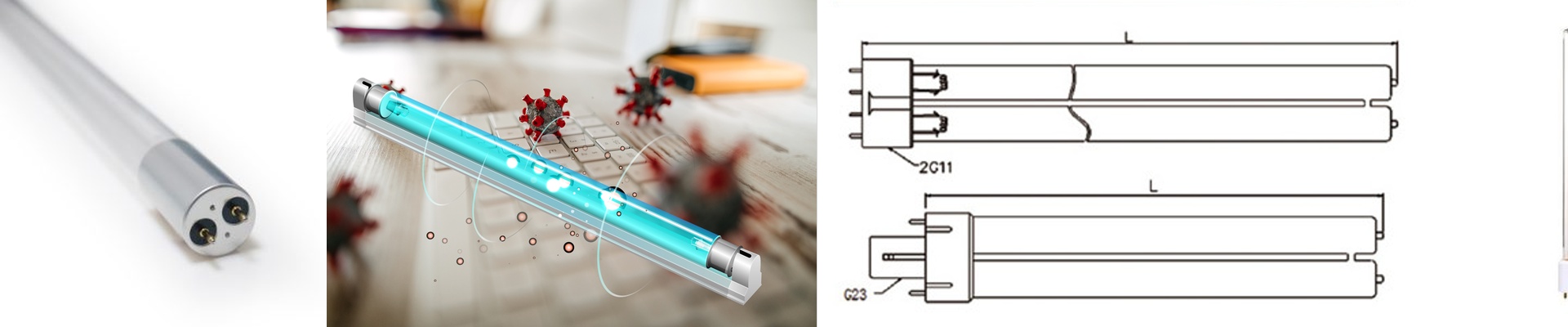
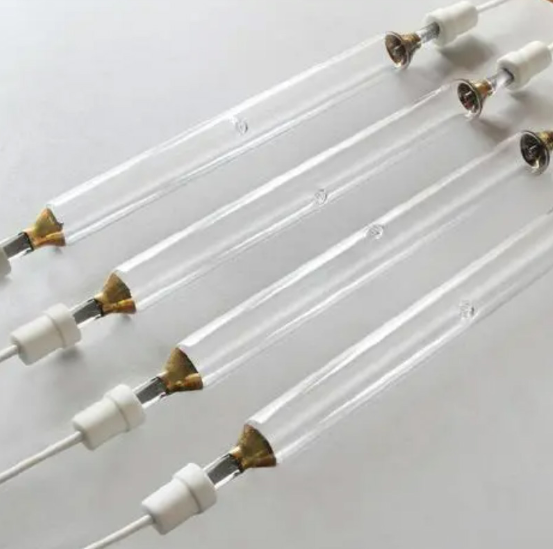
A midnight call to get a stalled press running because the UV lamp “just died” isn’t downtime. It’s scrap, missed shipments, and rework. On the floor, the UV curing lamp ledger isn’t paperwork—it’s the spine of scheduling, quality, and maintenance. If your records only note replacement dates, you’re flying blind. What matters, technically The 365nm UV curing lamp is a mercury vapor discharge source built around a narrow spectral window that lines up with the photoinitiator absorption in many offset, flexo, and screen UV inks. You get what you measure: peak irradiance across the arc length, stable spectral output, and repeatable energy density (mJ/cm²) across the web. Reflector efficiency and dichroic coatings shape the output and keep heat in check, while ozone-free quartz envelopes keep cooling loads predictable. Output doesn’t drop off a cliff; it decays gradually. Lamp life on many mercury systems is typically 1,000–1,500 hours, but you track it with radiometer readings, not guesses. Here’s the thing: a disciplined lamp ledger turns reactive firefighting into planning. Log lamp hours, power settings, reflector cleanliness, and radiometer readings for each press run. When the 365nm output starts to fall, you schedule the swap into a planned window—pair it with a plate change or preventive maintenance. You end up with fewer surprise stoppages, a more consistent cure across substrates, and fewer rejects from surface tack or under-cross-linking. Energy use stays more stable, too, because you’re not chasing cure by cranking power and heat as reflectors age and lamp output drops. Matching lamp to press is non-negotiable Offset, flexo, screen, and gravure lines all have different reflector geometries, arc lengths, shutter mechanisms, and cooling constraints. A 365nm mercury lamp has to be specified to the exact OEM fixture—right end cap, correct connector, and the proper ignition profile. And a practical reality: these lamps are sensitive to airflow and temperature stability. If the chiller is fluctuating or the exhaust path gets blocked, lamp life shortens and spectral stability drifts—even when the lamp itself is well within its rated hours.