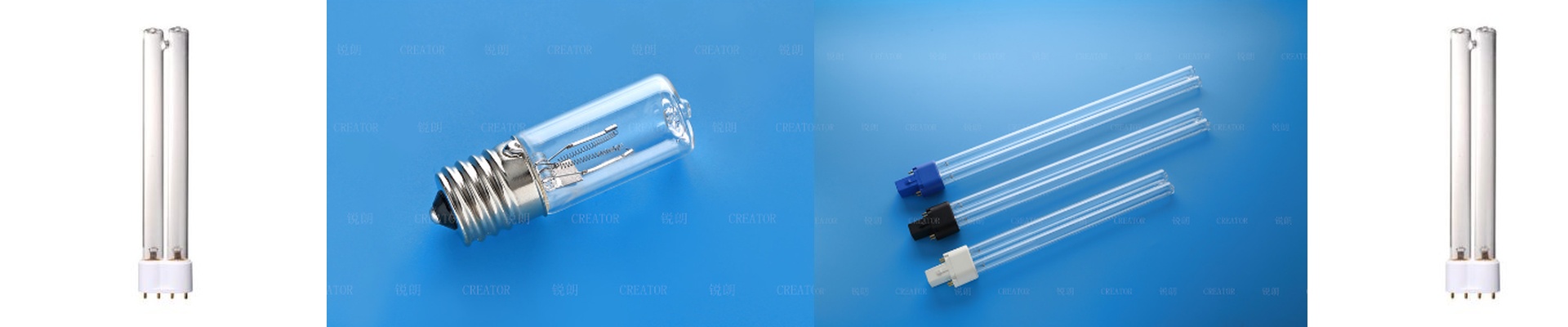
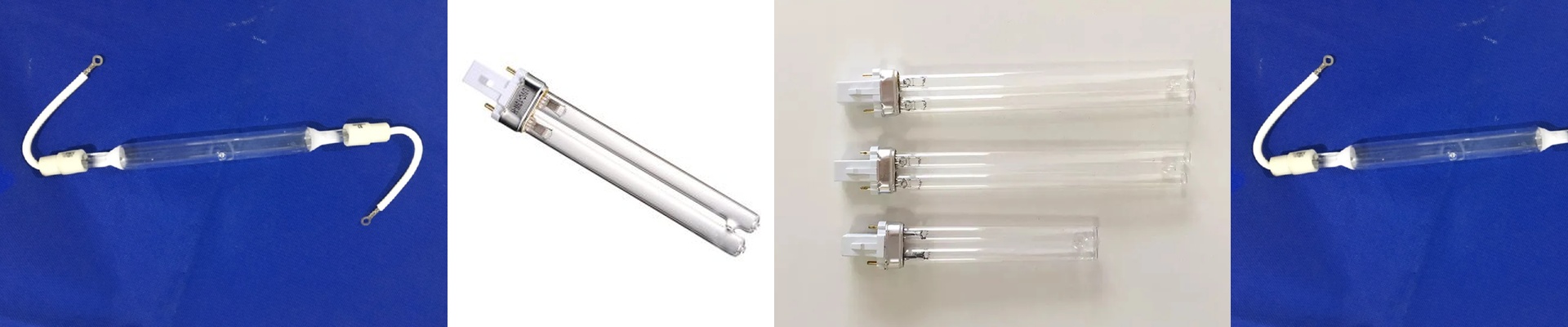
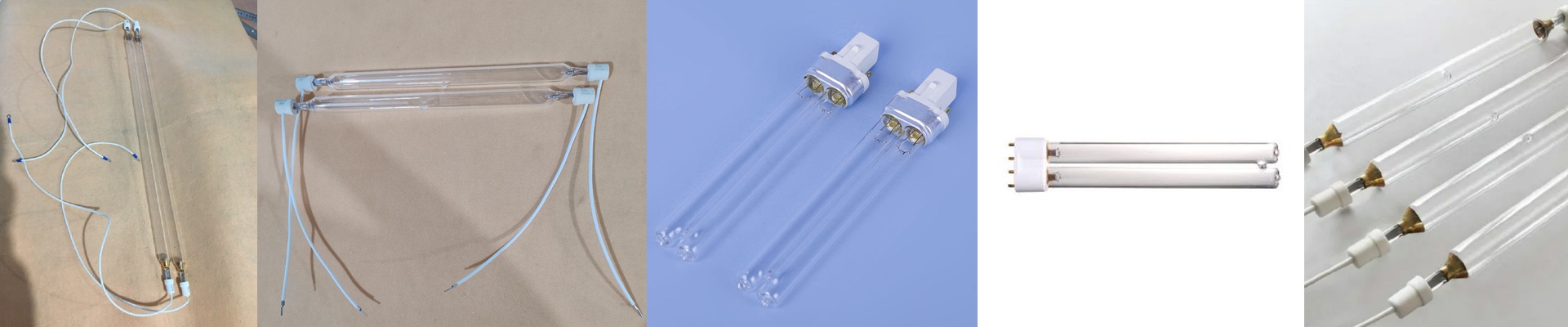
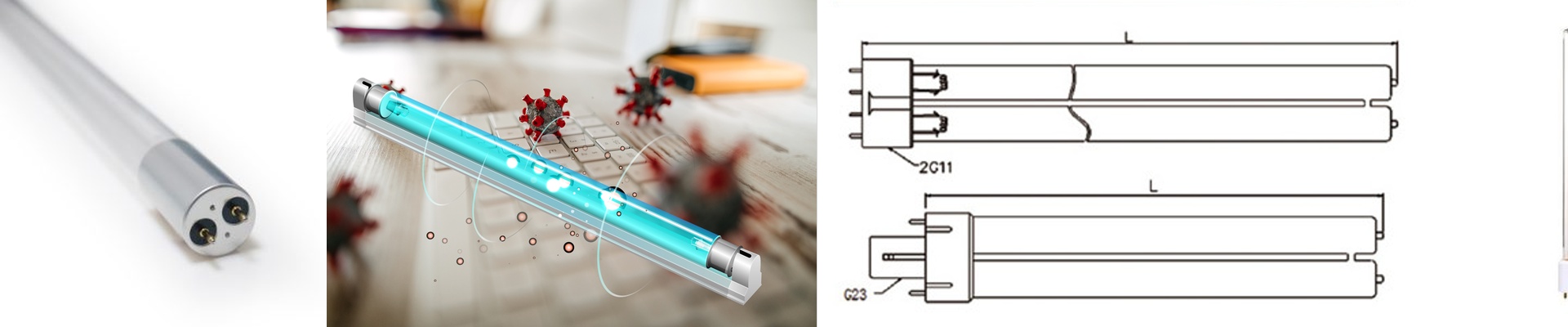
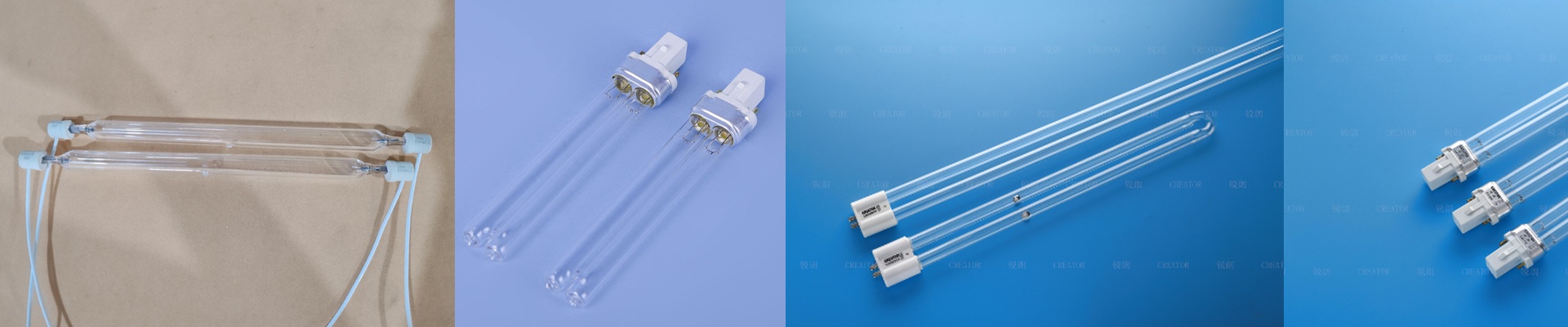
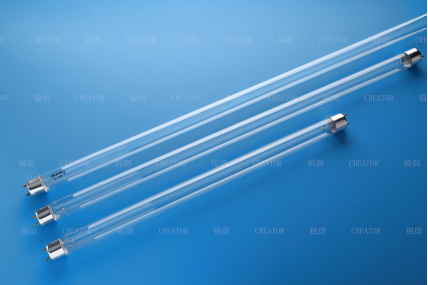
On the PCB line, the offset press is laying down solder mask over 50-micron traces. Undercure here doesn’t just mean a bad board—it means bridging, adhesion loss, and scrap. The lamp has to deliver repeatable energy, right where the ink sits, every time. What matters, technically With Mercury vapor lamps for offset curing, it comes down to spectral output and energy density. We run a dominant 365 nm peak, matched to the photoinitiators in epoxy-acrylate solder masks. Peak irradiance hits 12 W/cm² at the web, and you’re pulling 800–1200 mJ/cm² across the dwell. Reflectors use dichroic coatings to shape the envelope, keeping heat off the substrate while pushing more UV onto the ink. Power is calibrated to press speed. A 1200 W/inch unit will stabilize cure at 300–600 fpm without overshoot. Output stays within ±5% over the first 2000 hours, and we specify lamp life at 5000 hours with a controlled end-of-life ramp—no sudden drop. Ozone-free quartz envelopes keep the cleanroom compliant. Why this works on the PCB line Solder mask cure is a tight-tolerance job. The 365 nm band drives surface and depth cure at the same time, so the ink cross-links across micro-features without under-cure at the line edges. The shaped spectral envelope cuts exotherm that can distort FR-4 and thin laminates. With stable irradiance, you can push press speed up without having to chase ink formulation. You’ll see fewer rejects on fine pitch, consistent pencil hardness, and lower solvent emissions. And because reflector efficiency focuses UV, not heat, energy draw drops. Here’s what to keep in mind Match the lamp to the printer’s reflector geometry and the shutter duty cycle. Mercury lamps need ballast synchronization and stable mains—voltage sag causes arc drift and spectral instability. Confirm substrate temperature limits too. Quartz runs hot, so airflow and heat shielding are mandatory around sensitive boards. Build in an interlock and UV metering. Set a maintenance interval at 2500 hours to verify output. This isn’t a plug-and-play swap unless the fixture, power, and cooling are all aligned.