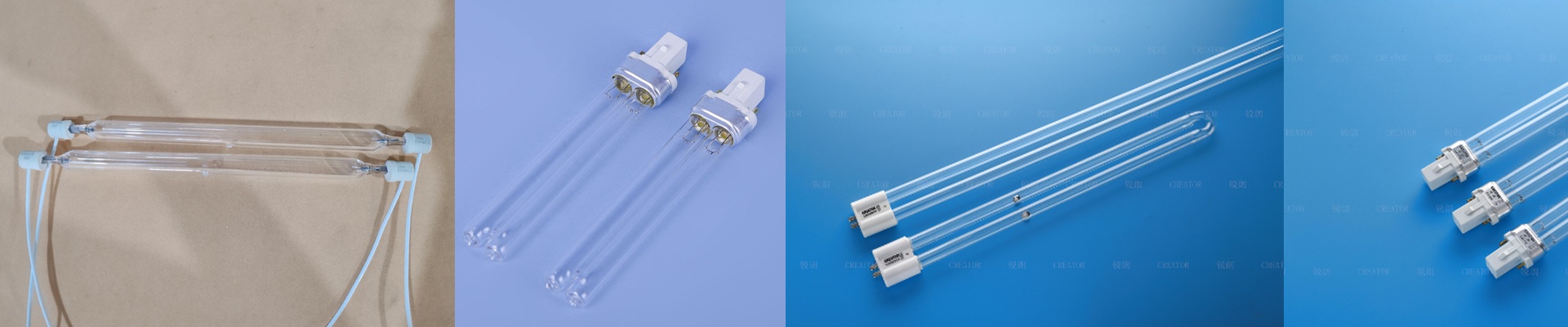
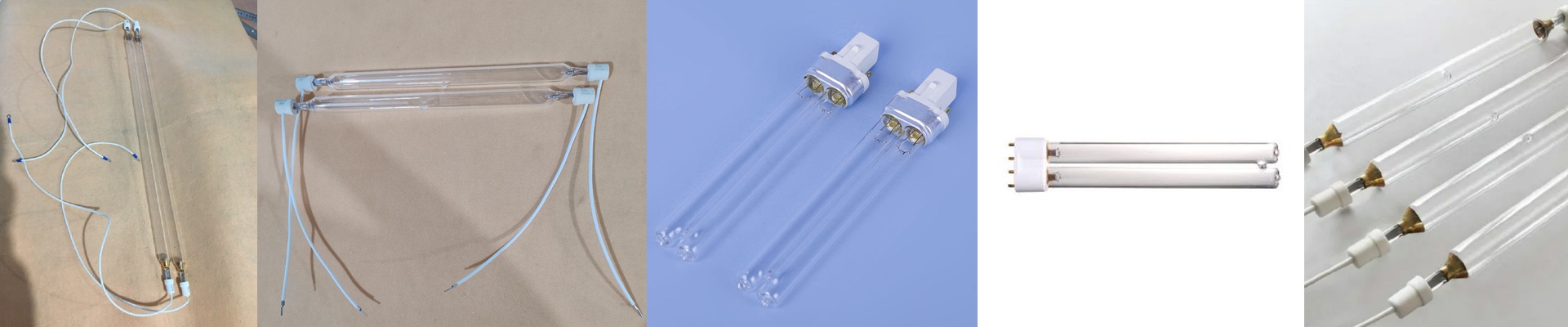
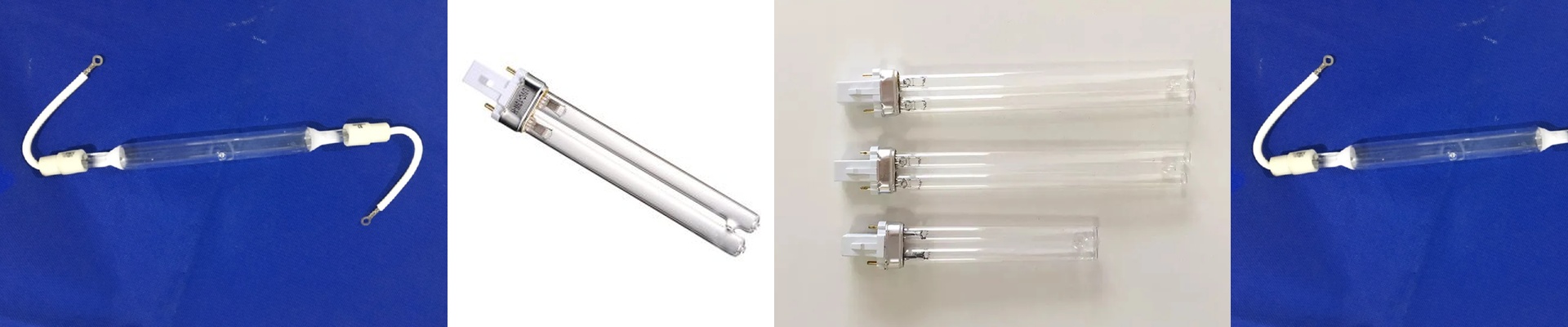
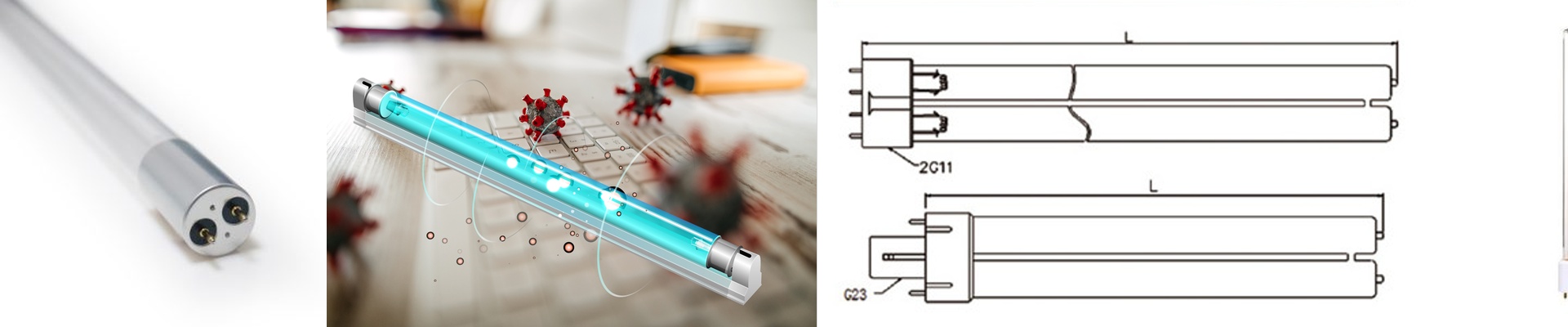
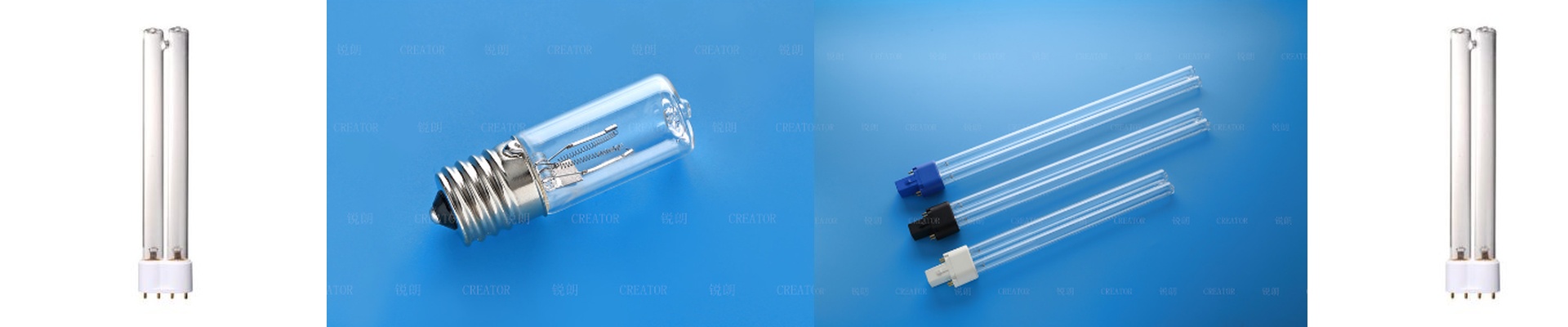
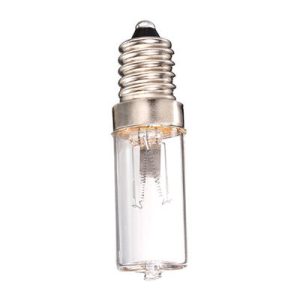
On a food line, microbial load never sits still. When the existing UVC lamp gets old, output drifts, and that “99.9% broad-spectrum kill” promise falls apart. In practice, that means failed audits, rework, and sanitation windows that drag on. Jebo UV lamp replacements are built to bring the dose profile back to what the system was designed to deliver—real surface disinfection, plus air and water control. Here’s the thing: in UV, you’re chasing dose, not the wattage printed on a label. We spec the Jebo UVC replacement at 254nm, with a stable spectral output that holds ≥120 mJ/cm² at 1.0 m under a clean quartz sleeve. With airflow and dwell time managed, that gives you ≥3 log reduction on the usual suspects—E. coli, Listeria, Salmonella. The lamp runs ozone-free, uses a high-purity amalgam fill, and holds output within ±5% over 9,000 hours. Peak irradiance at the target plane stays above 2.5 mW/cm², and the reflector assembly keeps the beam collimated so shadowed belt seams and crevices still get usable UVC intensity. Why it matters on the floor is simple: food safety has to be repeatable. Jebo replacements restore the original system’s dose curve, so sanitation cycles get back to 60–90 seconds instead of stretching into minutes. Energy draw per cycle drops by about 12%, and lamp changeouts line up with planned maintenance—not an emergency shutdown. You get consistent log reduction without chasing peak power that only accelerates sleeve fouling. A few field notes that save headaches: match the base, pin type, arc length, and ballast compatibility. UVC output is current-driven, and a mismatched driver will cause output to fall off early. Check the reflector condition and quartz sleeve transmittance—oxidation or scratches can cut effective dose by 20%. Handle the lamp with clean gloves, keep fingerprints off the arc, and verify fixture cooling and airflow so junction temperature stays under 90°C.