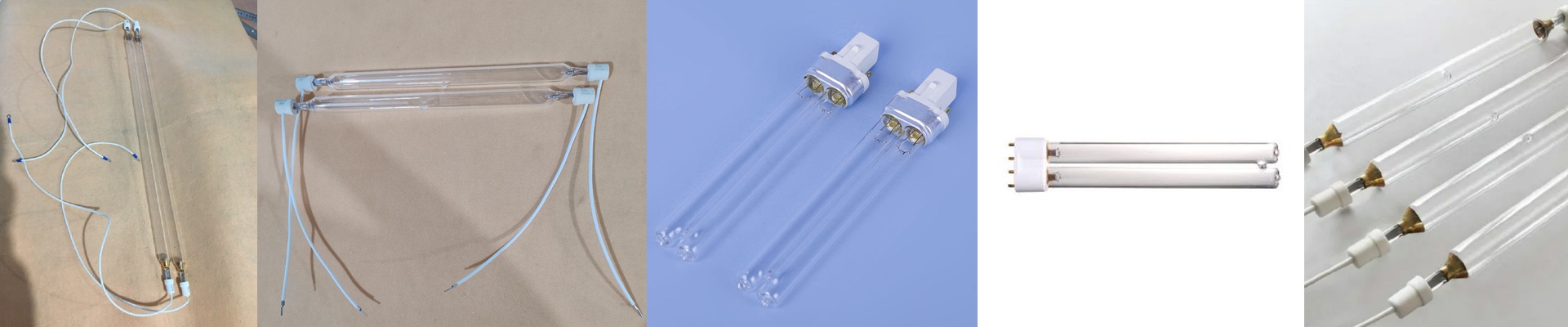
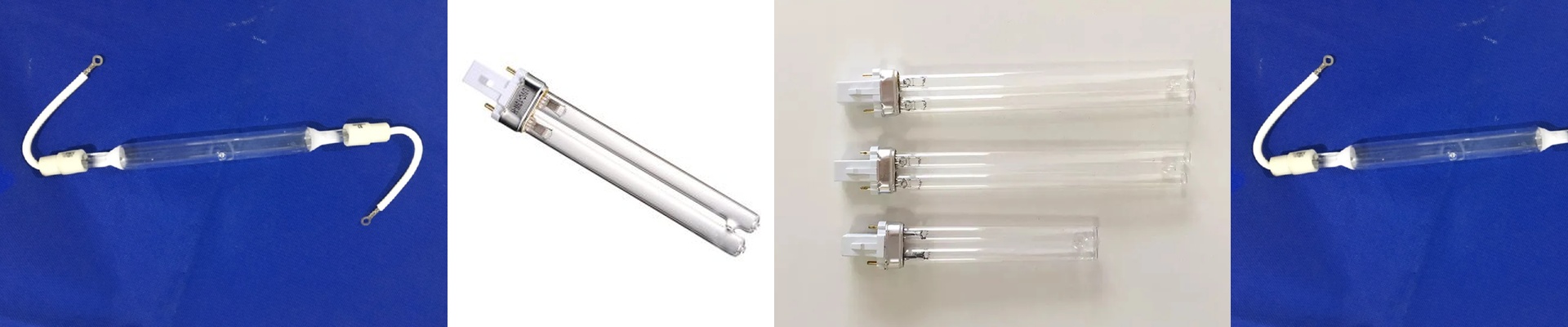
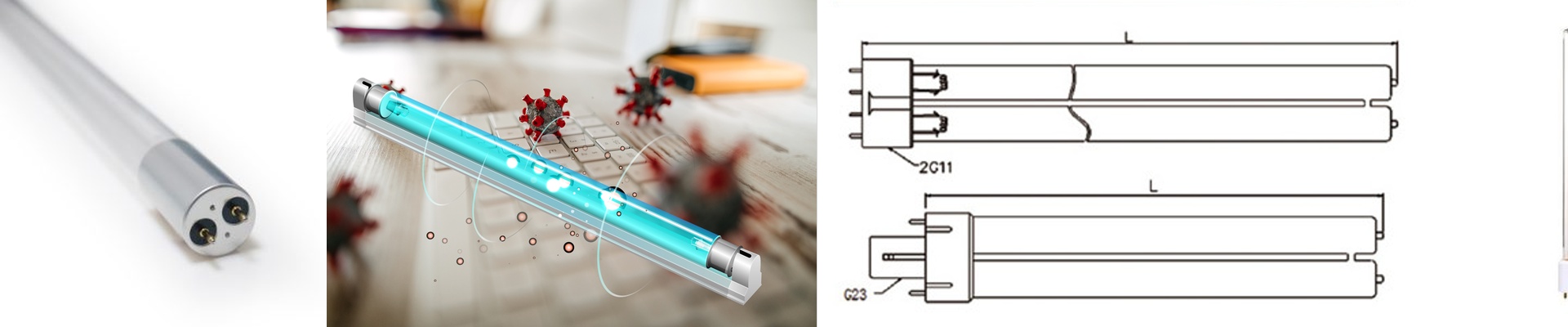
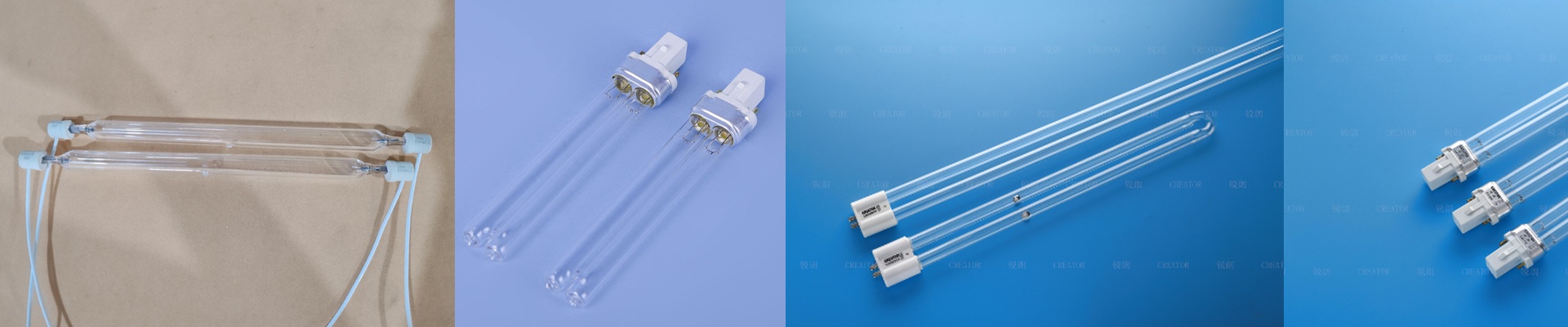
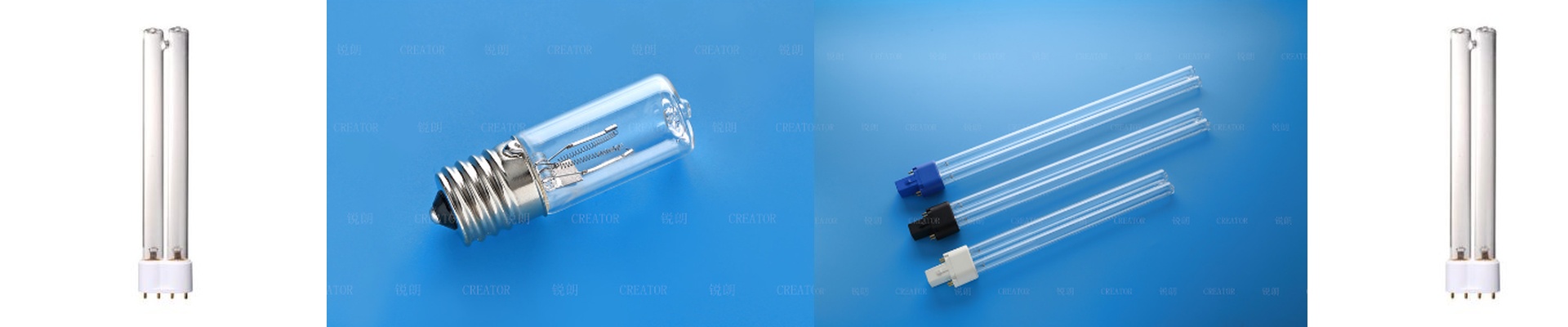
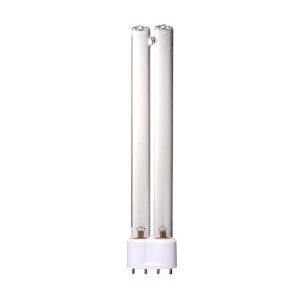
On the floor, automotive component finishing doesn’t forgive slow cycles or inconsistent cure. Brackets, trim, and structural plastics that come in powder-coated need uniform hardness—without cooking thin sections. Run infrared alone and you risk hot spots. Go UV-only and you’ll get shadowed zones that stay under-cured. The practical fix is a coordinated hybrid: NIR up front for bulk energy, then UV curing lamps for surface cross-linking. Here’s what actually matters: spectral control. Our mercury vapor UV lamps hold steady output at 365 nm or 385 nm, with peak irradiance up to 12 W/cm² and deliverable energy density of 800–1200 mJ/cm² at the substrate. Paired with high-reflectivity dichroic reflectors and ozone-free quartz envelopes, you get consistent dose across the full width—even at line speeds up to 15 m/min. The NIR module uses medium-wave quartz emitters tuned for absorption in powder and wood coatings. It heats volumetrically and fast, bringing the surface up to cure temperature without scorching. And the payoff is measurable. Preheating with NIR cuts the UV dose required, which drops lamp current, extends lamp life, and trims energy use. Cycle time falls 20–35% compared with convection-only, with fewer rejects from uneven gloss or adhesion issues. We’ve seen units run 5,000+ hours with less than 5% output drop, and the hybrid profile keeps dimensional stability on thin metal and plastic parts. When you integrate this, control has to be matched. Use a closed-loop power supply with arc monitoring and interlock, and verify spectral output with a radiometer at the substrate plane. Keep the NIR zone shielded from the UV reflector—otherwise you get spectral interference and overheating. Expect a 24-hour burn-in for lamp output stability. And before you set irradiance and dwell, confirm the substrate’s temperature limits.