Stop Treating Your UV Lamps Like Lightbulbs
Most people treat UV lamps as just another consumable—something you buy in bulk and swap out when it dies. But here’s the thing: that lamp is the actual engine of your entire curing line. In the world of printing and textiles, this is where the magic happens. If your wattage is slightly off or the wavelength isn’t hitting the mark, you’re in trouble. You’ll either end up with ink that smears because it didn’t cure, or substrates that warp because you cooked them. Neither is a good look.
Getting the Light Right
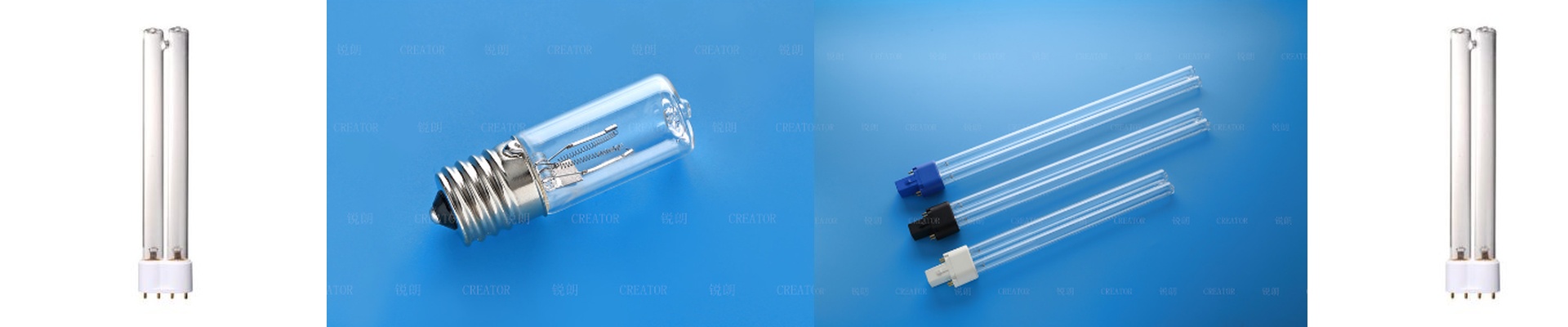
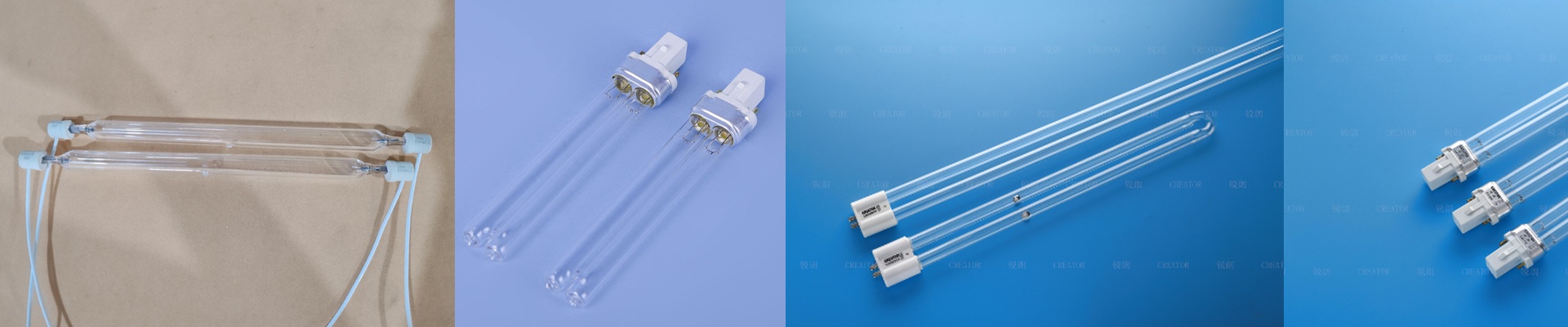
Curing speed isn’t magic; it’s about the spectrum. We build lamps that actually match the photoinitiators in your ink. Need a deep, heavy cure? High-pressure mercury lamps are your best bet because they cover a broad spectrum. Dealing with materials that melt or shrink if they get too hot? Go with LED UV. They hit a narrow band and keep things cool. If the wavelength doesn’t match the ink’s absorption peak, you’re fighting a losing battle. You’ll find yourself slowing down your conveyor belt just to get the job done. That’s a waste of time and money.
The Heat Struggle
High-wattage lamps get hot. Like, really hot. It’s a trade-off. You get that fast polymerization we all want, but you risk scorching your materials. We spend a lot of time balancing that UV intensity so you don’t burn your product. One quick tip: keep your cooling fans and reflectors clean. Seriously. A dusty reflector can kill your UV intensity by 20%. When that happens, you’ll be tempted to crank up the heat to compensate, which just kills your bulbs faster.
Making it Work in Your Shop
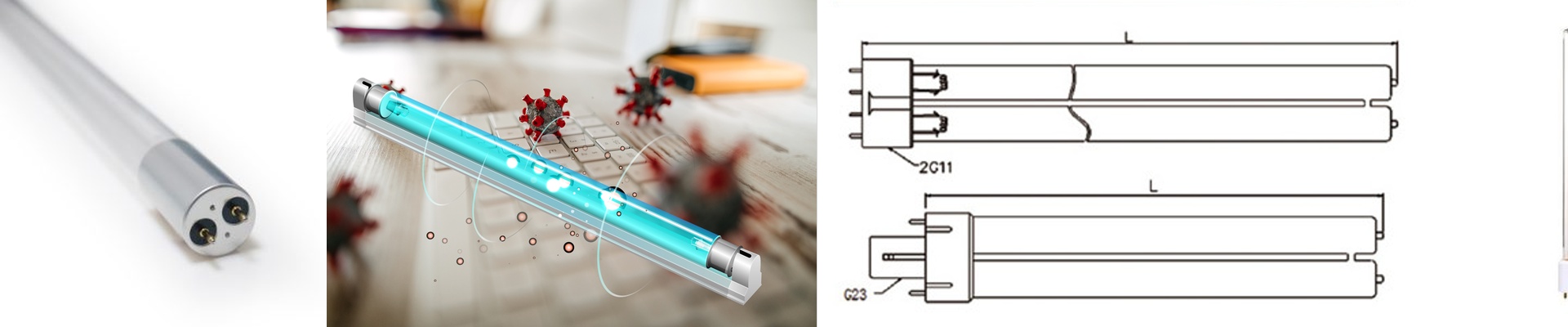
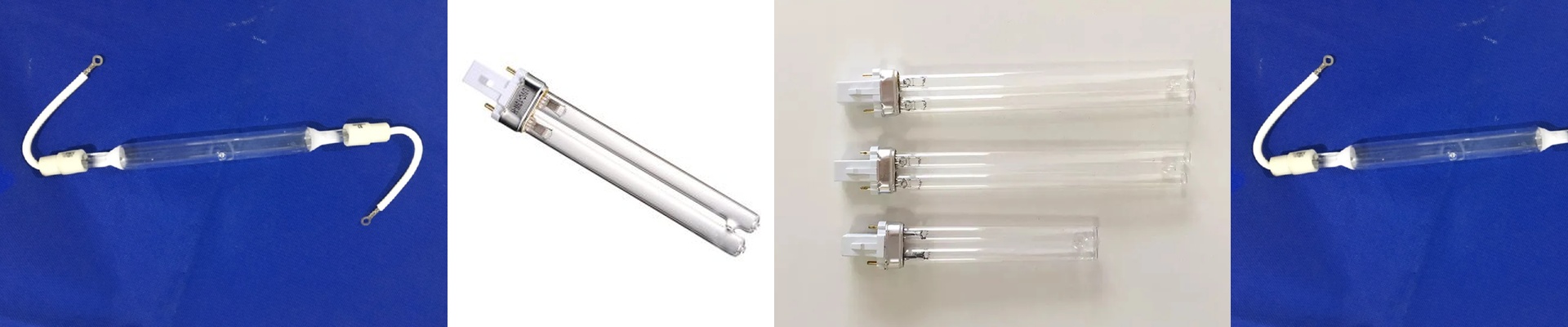
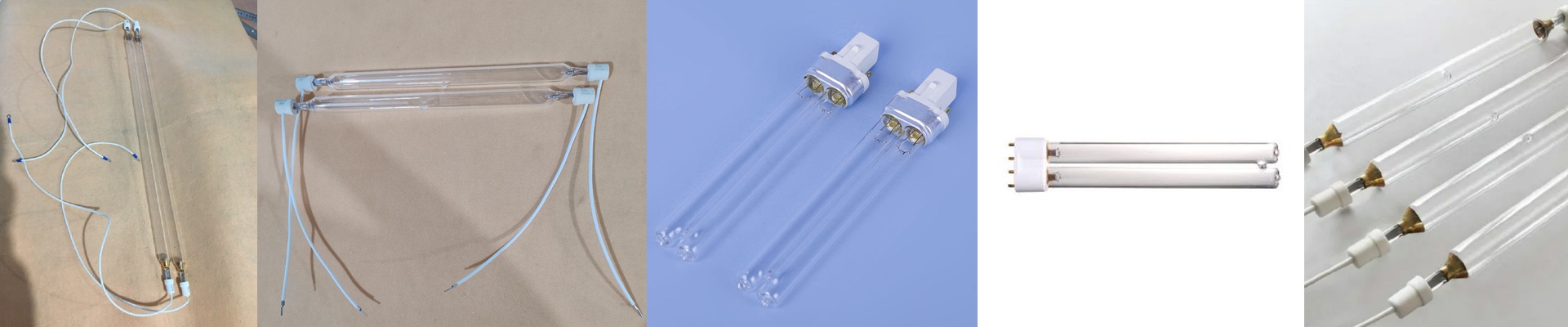
We focus on “drop-in” replacements. You shouldn’t have to rebuild your whole line just to get a better lamp. Whether you’ve got a massive wide-format printer or a niche coating line, the electrodes and end-caps need to line up perfectly. If they don’t, you get arcing, and that’s a headache nobody wants. But we don’t just ship a box of parts and wish you luck. We’ll help you dial in the distance between the lamp and the belt, and tweak your speed. That way, your cure stays consistent and your bulbs actually last as long as they’re supposed to.