Getting the Most Out of Gallium Iodide UV Lamps for Heavy-Duty Printing
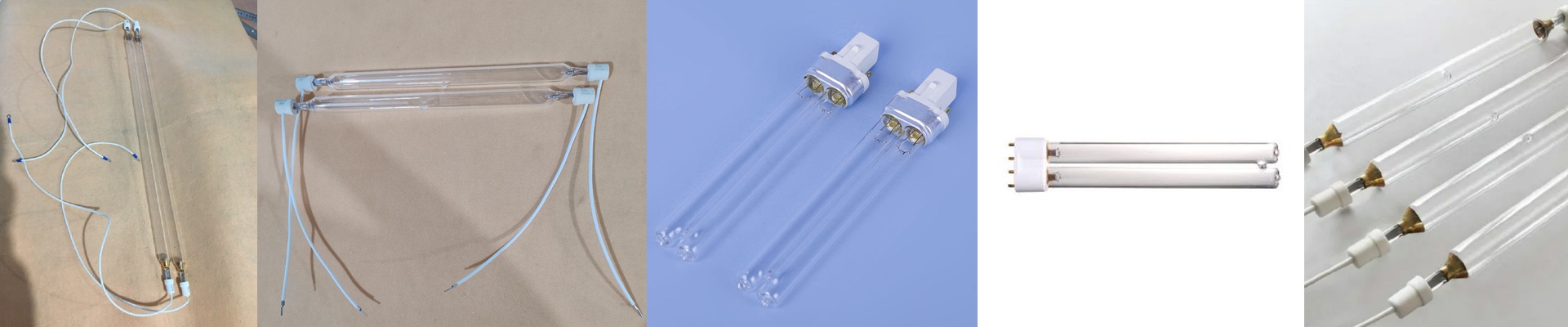
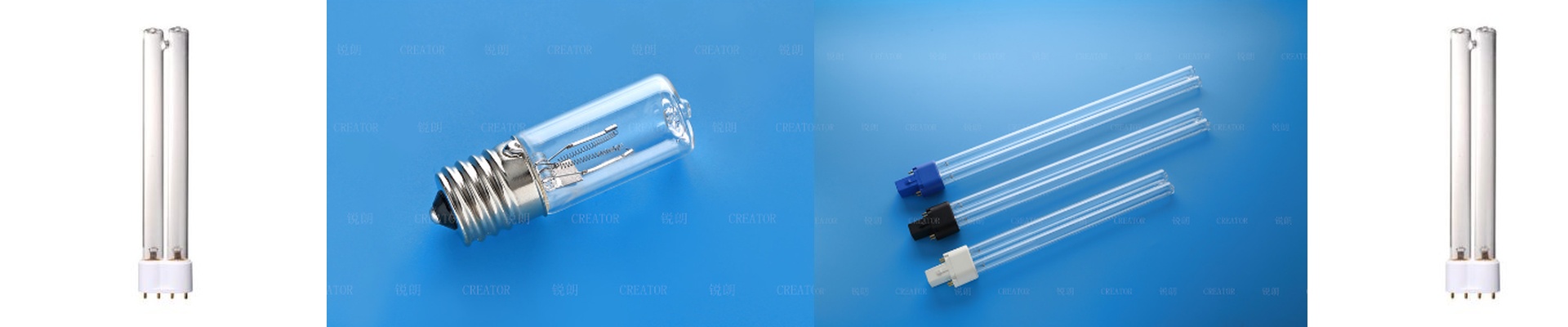
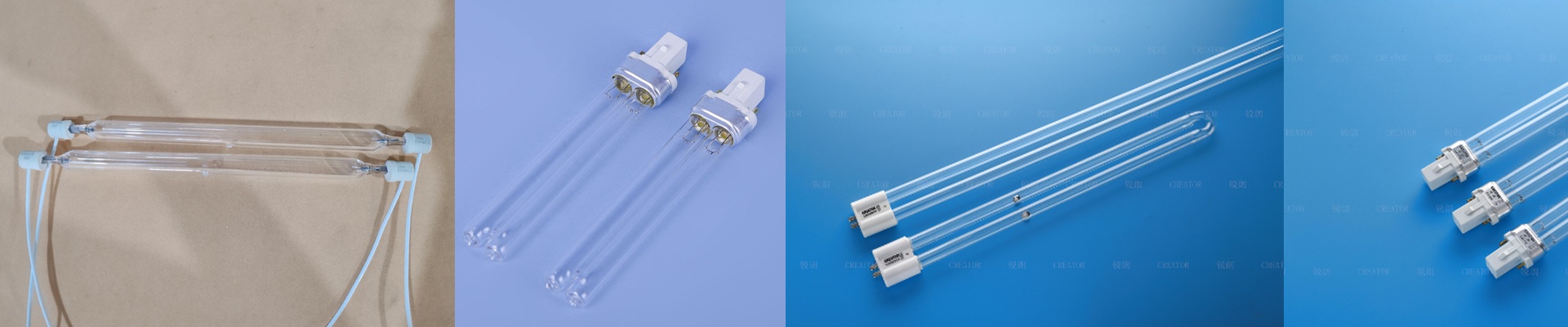
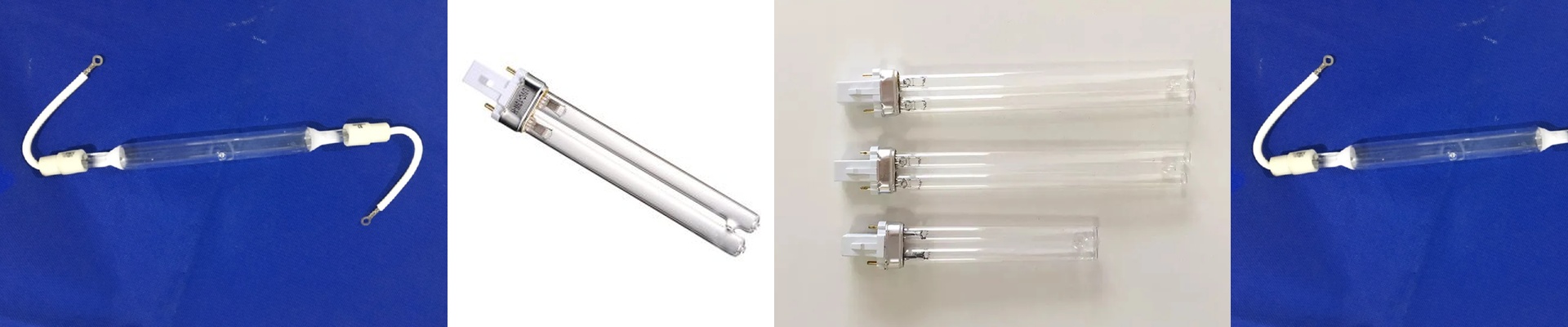
If you’ve ever dealt with thick ink layers or specialty coatings, you know the frustration of “surface skinning.” You look at the print, it feels dry to the touch, but the moment you scratch the surface, the bottom is still a gooey mess. That’s where Gallium Iodide (GaI) lamps come in. While your standard mercury lamps are great for some things, they often can’t punch through thick material. GaI lamps are different. They push a strong wave of energy in the 300nm to 400nm range, which basically means the UV light actually reaches the bottom of the ink film. It cures the whole thing, top to bottom. No more wet bottoms. No more ruined prints. The Heat Factor Now, here is the catch. These lamps run hot. Like, really hot. Because they use high power densities to keep that plasma arc going, they throw off a ton of infrared heat. If your conveyor is moving slowly, you can’t just wing it with the cooling. You’ll need a serious chilled water jacket or some heavy-duty forced air. Otherwise, you’re just going to warp or scorch your substrate, and that’s a headache nobody wants. Fitting Them Into Your Setup We don’t believe in making you rebuild your entire line. We build these to fit your specific machine—whatever the length or diameter needs to be—using quartz envelopes that can handle the intense internal pressure without breaking a sweat. Most of the time, these are simple drop-in replacements for your current UV arrays. But a quick word of advice: check your ballast. The gallium mix needs a very specific strike voltage to get started. If your voltage is off, the lamp either won’t light up at all or, worse, you’ll fry your electrodes way sooner than you should. Get the power right, and these things become the absolute workhorses of your graphics production.