The Real Deal on the Light Powering Your Printing Press
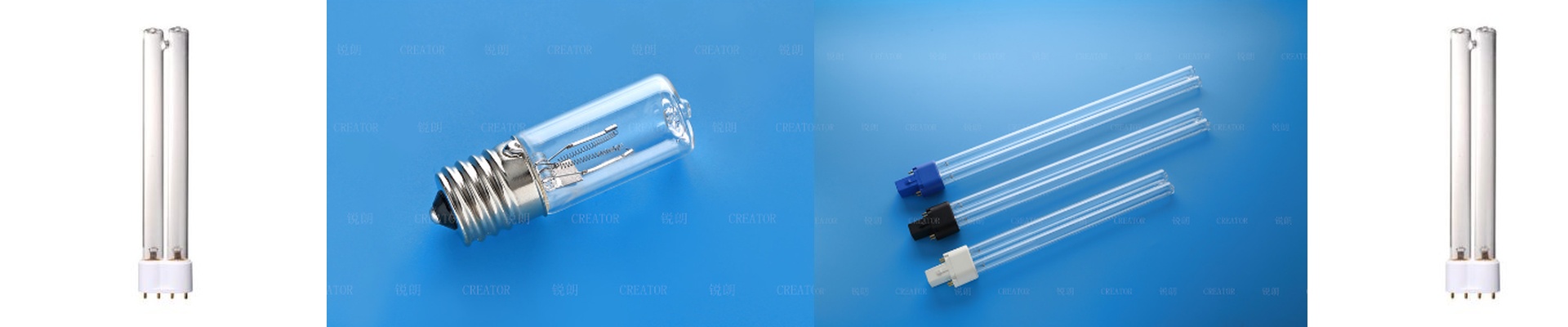
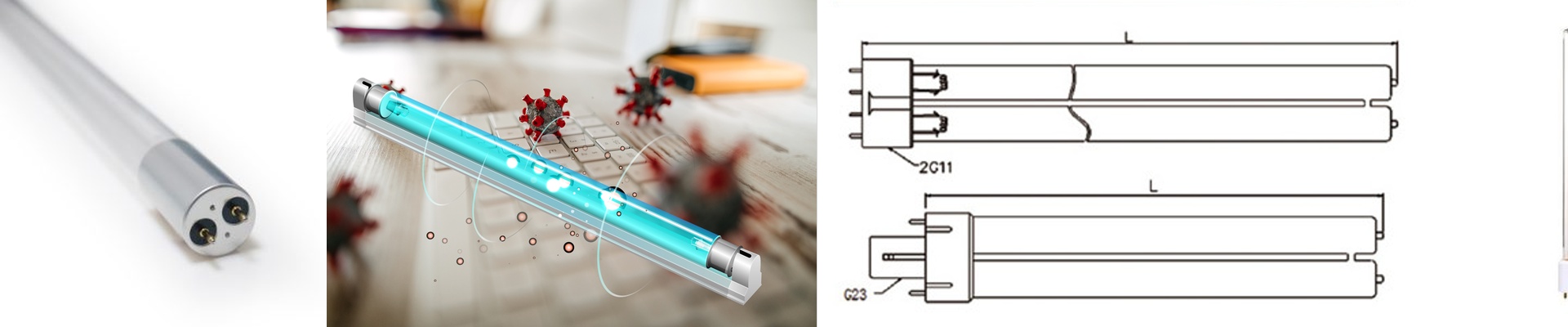
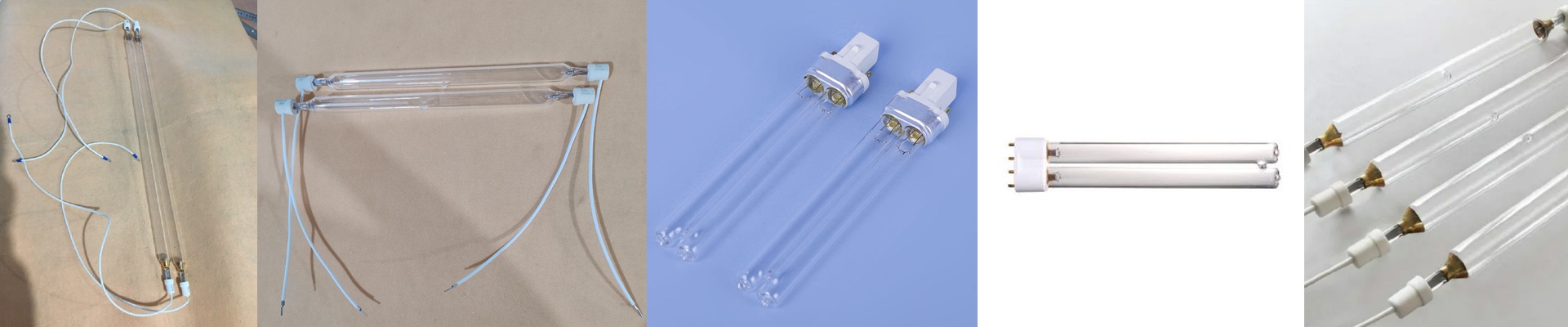
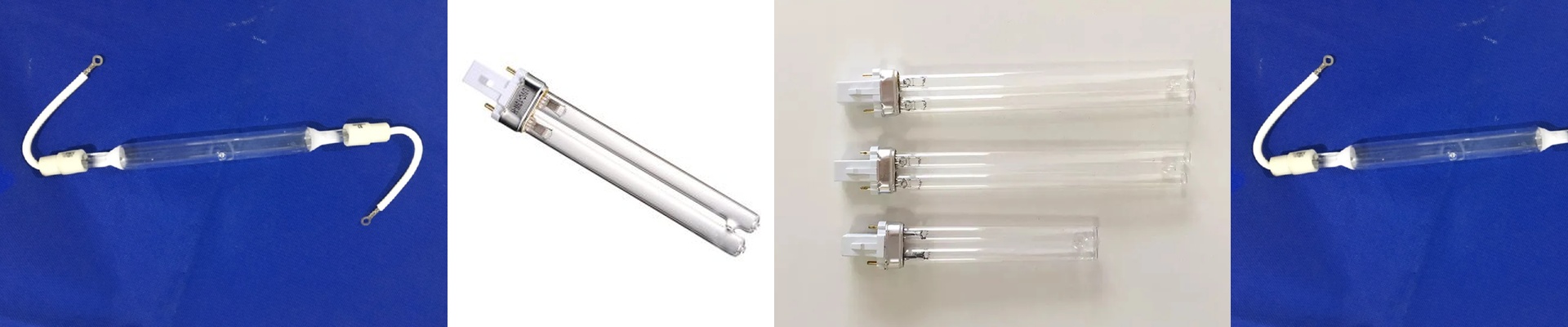
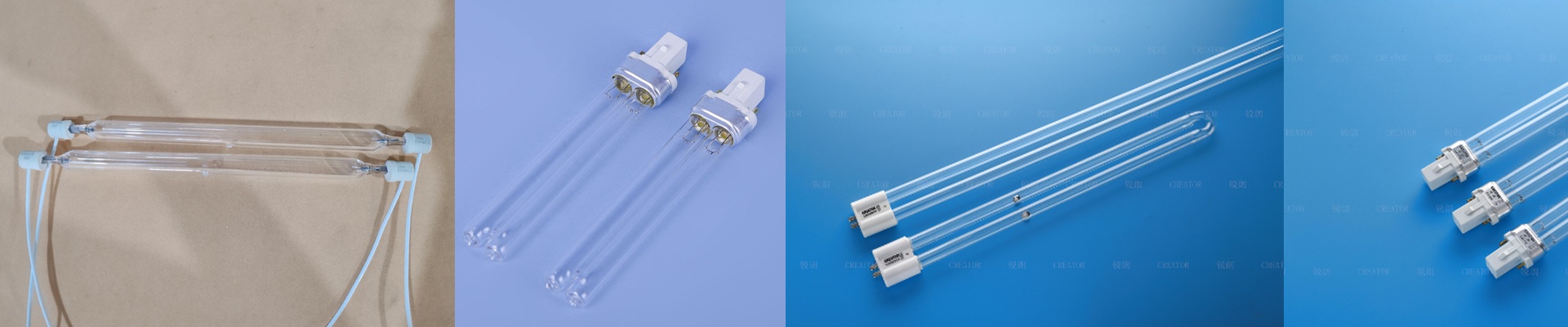
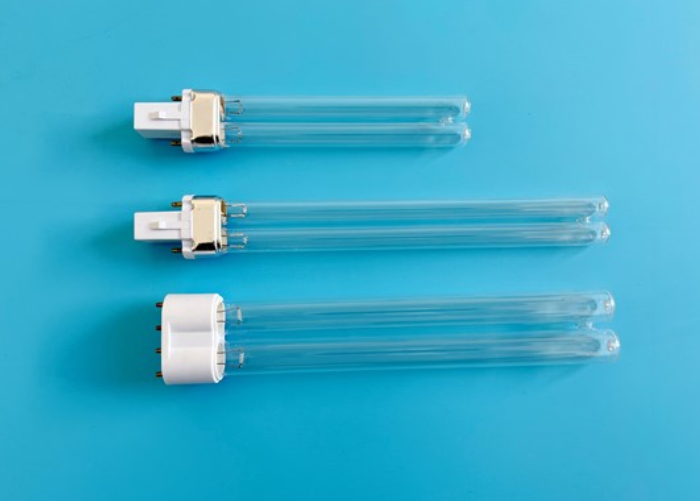
Industrial printing is basically a race against time. You’ve got liquid ink hitting a surface, and you need it to turn into a solid film in a fraction of a second. That’s where our UV lamps come in. Looking ahead to 2026, the conversation isn’t just about “turning the lights on” anymore. It’s about surgical precision—controlling exactly what the light does and keeping the heat from ruining everything. Getting the light right Here is the thing about UV curing: if the wavelength is off, the ink just doesn’t react. We build our lamps to push a steady stream of energy across the entire width of your web. Because if that power dips? You get “tacky” surfaces and uncured ink that smears. It’s a nightmare. We spend a lot of time balancing wattage and voltage so you get that peak intensity you need without frying the electrodes. The heat struggle High-output lamps get hot. Really hot. You can’t just plug these in and hope for the best. If your cooling system isn’t up to the task, that infrared heat will warp your substrate right off the line. We use high-purity quartz glass to let the UV light through, but it’s finicky. One fingerprint—just a tiny bit of skin oil—can create a hot spot. Then, right in the middle of a big production run, the glass cracks. It’s a frustrating way to lose an afternoon. Swapping them out Nobody wants to spend hours recalibrating a conveyor belt just because a bulb burned out. That’s why we make our lamps as simple drop-in replacements. The footprints are standard. You swap the tube, make sure the length and connectors match perfectly so you don’t get any scary arcing at the terminals, and you’re back in business. It really comes down to a trade-off. You can crank up the intensity to speed up your line, but your lamps won’t last as long. We’ll help you find that sweet spot where you’re hitting your numbers without blowing your maintenance budget.