Getting Your UV Lamps Right in Textile Production
Think of UV curing lamps as the invisible glue holding your whole production line together. Whether you’re locking in dyes, drying screen-print inks, or treating synthetic fibers, these lamps do the heavy lifting behind the scenes.
The “Right Tool for the Job” Problem
Here’s the thing: you can’t just throw any old tube into a textile line and hope for the best. It doesn’t work like that. The wavelength you need depends entirely on the ink you’re using. If you want a high-gloss finish that pops, you go with shortwave UV to hit the surface. But if you’re working with thick fabrics and need a bond that won’t peel or flake, you need longer wavelengths that can actually soak into the material. Then there’s the speed. If your conveyor is flying at 20 meters per minute, you need serious intensity. Otherwise, the fabric is out of the oven before it’s even cured.
Why Materials Actually Matter
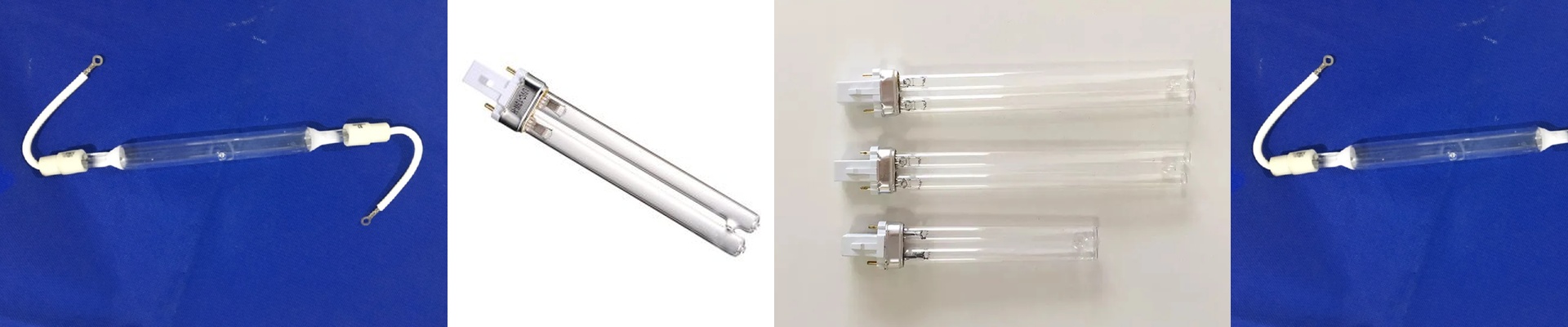
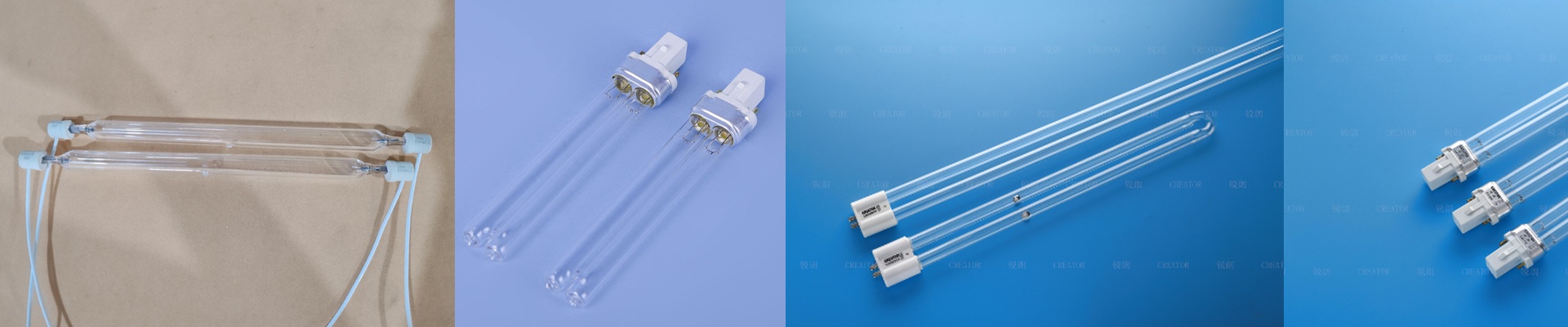
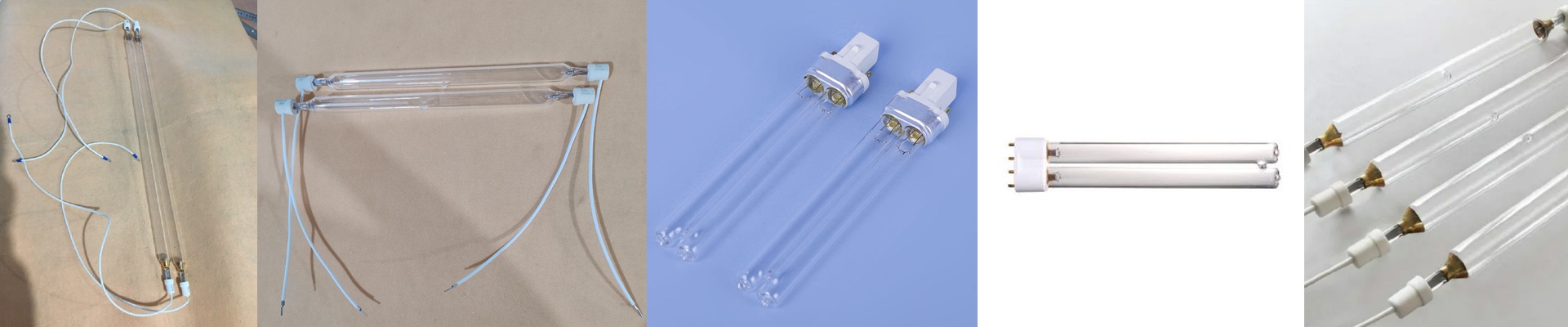
We use high-purity quartz glass for a very simple reason: standard glass blocks the light you’re paying for. It’s a waste of energy. For the bigger plants, we usually build custom lengths. Why? Because “dead zones” are a nightmare. There’s nothing worse than finding a strip of uncured fabric halfway through a batch because the lamp didn’t reach the edge of the conveyor. But you have to be careful with power. High wattage is great for speed, but it can easily scorch delicate synthetics. To stop that from happening, we play around with the focal length or use reflectors to aim the beam exactly where it needs to go.
Making it Work on the Floor
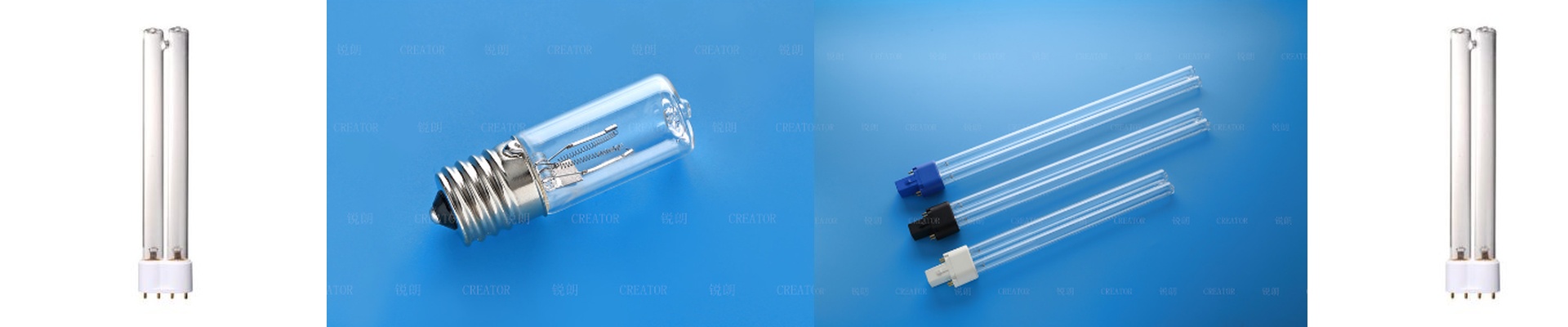
Getting these wired in shouldn’t be a headache. We make our lamps drop-in replacements for most of the big global brands, so you aren’t staring at a dead production line for days. One quick tip: check your cooling fans. If your airflow is weak, the quartz envelope will overheat and burn out way faster than it should. We build these things to take a beating in a loud, messy industrial shop. Just make sure your electrical ballast matches our voltage specs exactly, and you’re good to go.