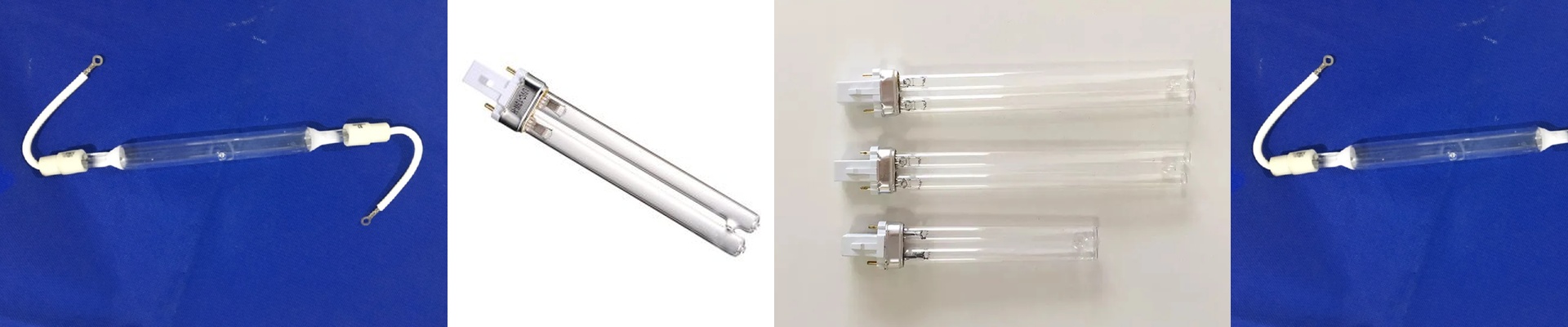
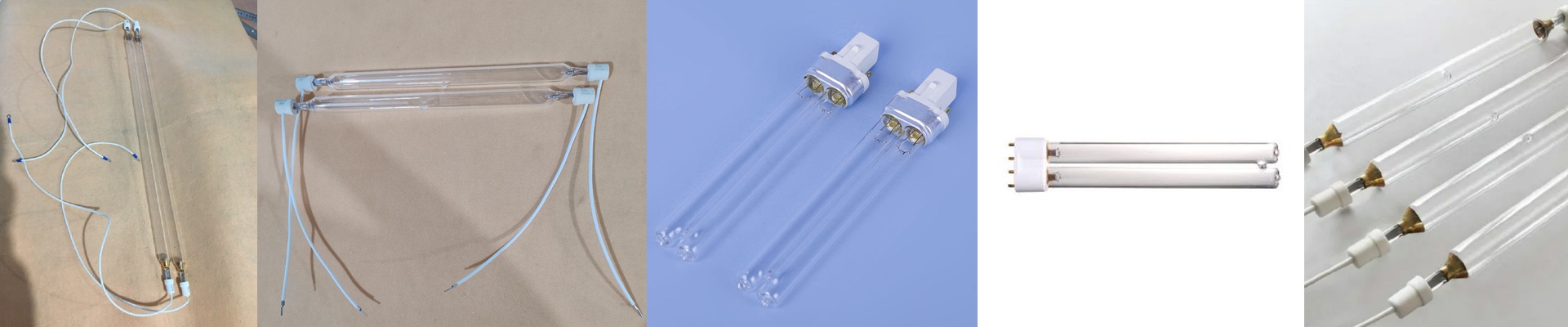
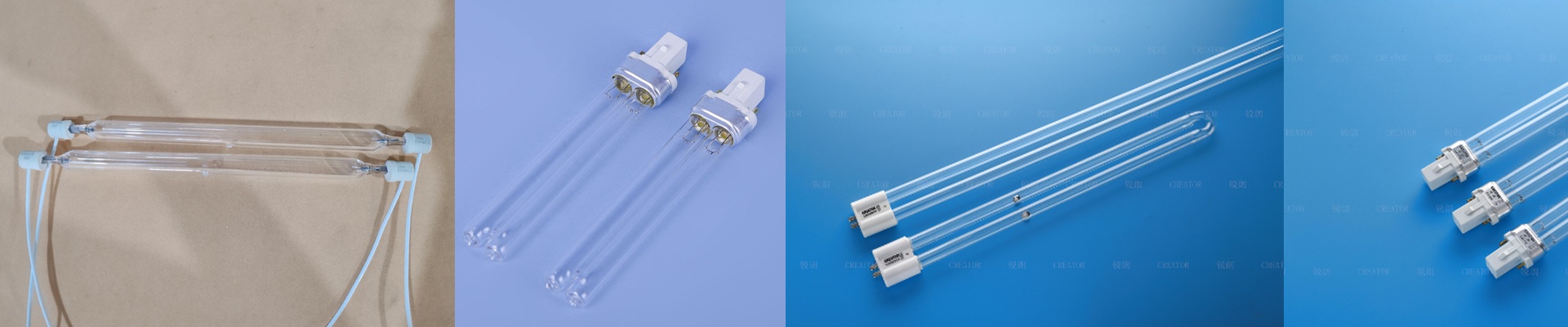
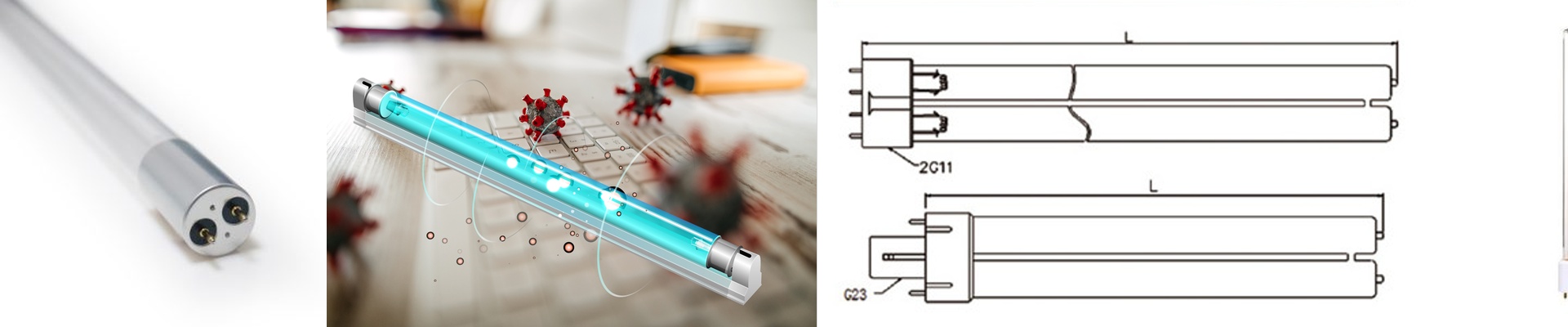
Stop Guessing if Your UV Lamps are Actually Working
Most UV lamps are basically blind. You flip the switch, they glow, and you just… hope they’re doing their job. You don’t really know if a tube has burnt out or lost its punch until a manual check catches it or, worse, your product fails a quality test. It’s a bit like driving a car with a blacked-out dashboard. You’re moving, but you have no idea how much gas is left in the tank. We’re changing that. Instead of crossing our fingers, we’re moving toward remote energy monitoring. No more guesswork.
Watching the Power, Not the Clock
For a long time, we’ve just relied on simple timers or basic current readings. But that’s not the same as knowing if the lamp is actually disinfecting. We’ve started putting IoT sensors right into the power chain. By keeping an eye on wattage and voltage as they shift in real-time, you can tell when a lamp is starting to fade before it drops below the level needed to kill germs. You stop tracking “on-time” and start tracking actual energy use per square meter. It’s a much more honest way to measure performance.
The Nitty-Gritty of the Hardware
You might worry that adding “smart” features means adding a bunch of bulky gear. It doesn’t. We use small current transformers and voltage dividers that plug into a PLC or a cloud gateway. It lets you see the energy footprint of several lines at once. When a lamp starts to drift, it shows up on your screen immediately. Now, there is a catch. Wiring this up is a bit more complex at the start, and you’ll need a solid network to keep it running. Plus, if your factory floor is noisy with electromagnetic interference (EMI), you can’t cut corners—you’ll need shielded cabling. Otherwise, you’ll get a bunch of annoying false alerts that don’t mean anything.
What This Actually Means for the Team
For the engineers on the floor, this is a huge relief. You can stop the “calendar maintenance” madness. Why replace every lamp every 8,000 hours if some are still perfectly fine and others are dying early? Instead, you replace them based on how they’re actually performing. You save money on lamps, you stop wasting perfectly good hardware, and you avoid those nightmare unplanned shutdowns. You wire it once, set your limits, and just wait for the system to tell you exactly which lamp needs a swap. Simple.