The Secret Sauce in Your Textiles: UV Curing
When most people look at a shirt or a jacket, they think about needles, thread, and sewing machines. But if you look closer, there’s a lot happening behind the scenes that has nothing to do with stitching. For us, it’s all about high-intensity UV light. It’s the invisible force that actually locks everything in place—from the initial fiber treatments to that final, crisp print.
How it actually works on the line
Early on in the process, we use UV lamps to “wake up” the surface of the fabric. We’re talking about triggering a chemical reaction that makes functional coatings—the stuff that keeps water out or stops fabric from catching fire—actually stick to the fibers. Here’s the catch: it has to be exact. If the wavelength is off by just a few nanometers, the coating won’t set. You’ll end up with a tacky, sticky mess or, even worse, a finish that just peels right off. Then there’s the digital printing stage. This is where we crank up the power. We use high-wattage UV arrays to flash-cure the ink the second it hits the fabric. It happens instantly. No bleeding, no smudging, and the production line keeps moving fast.
The hardware headaches
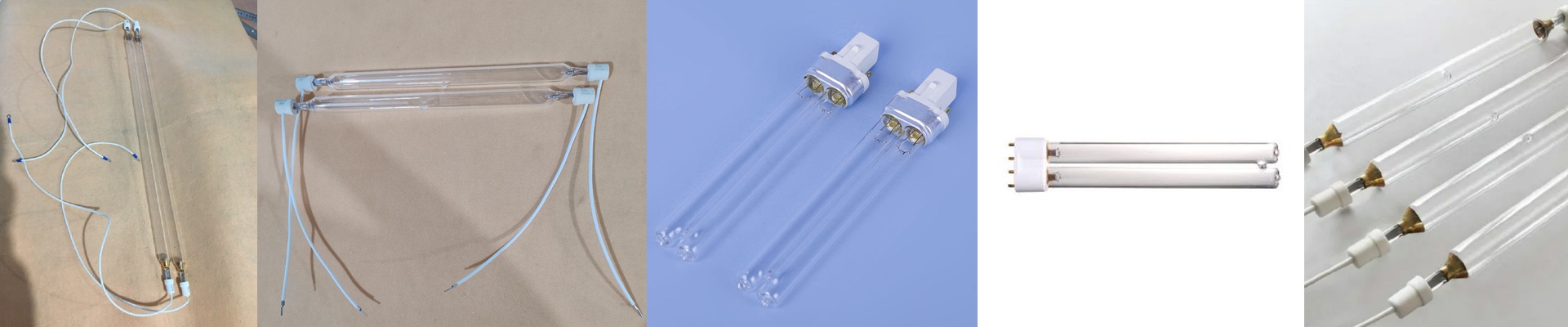
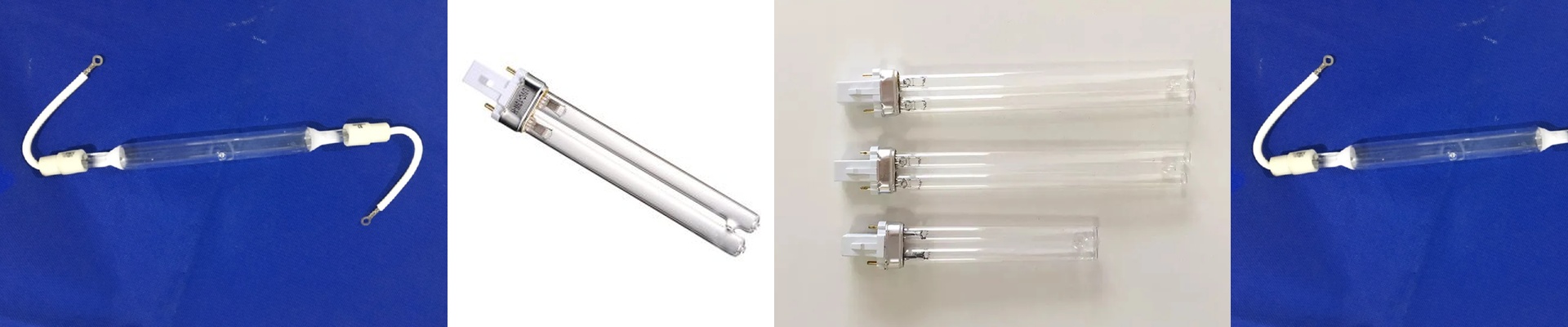
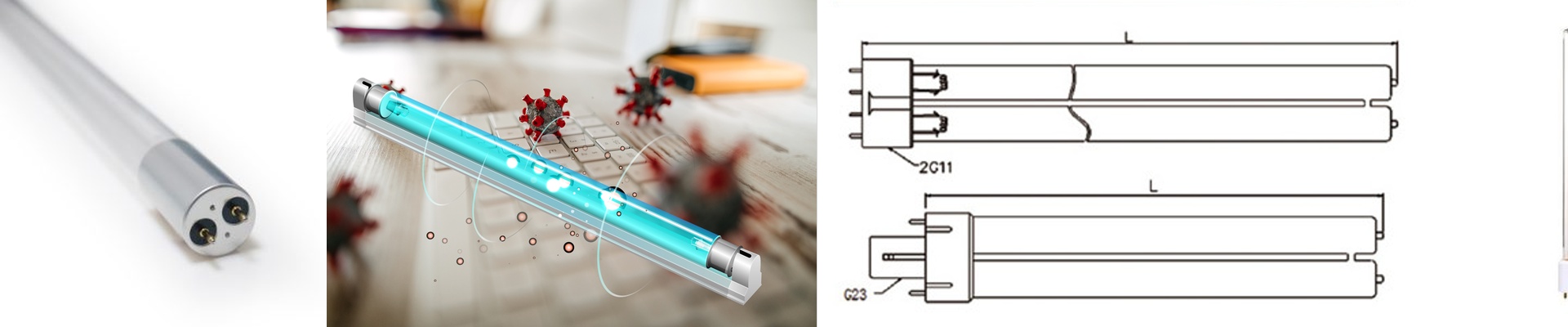
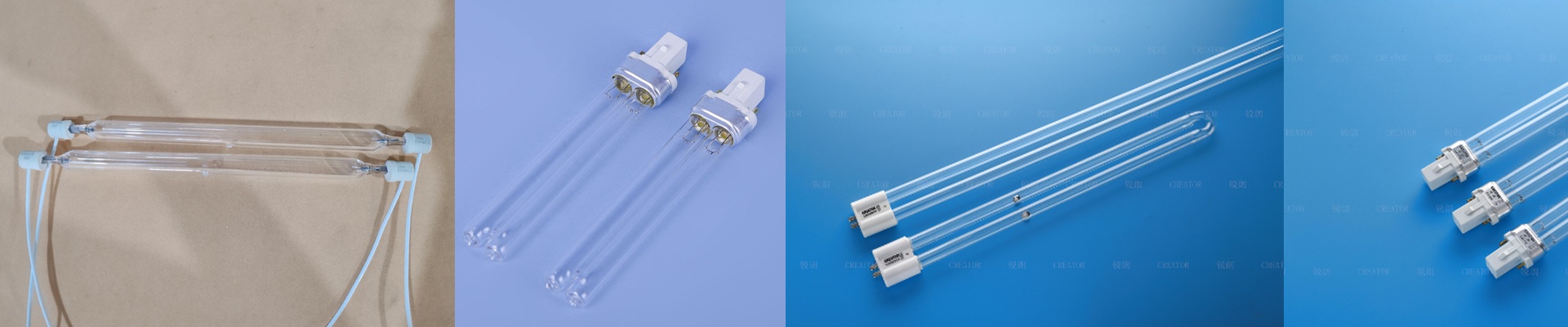
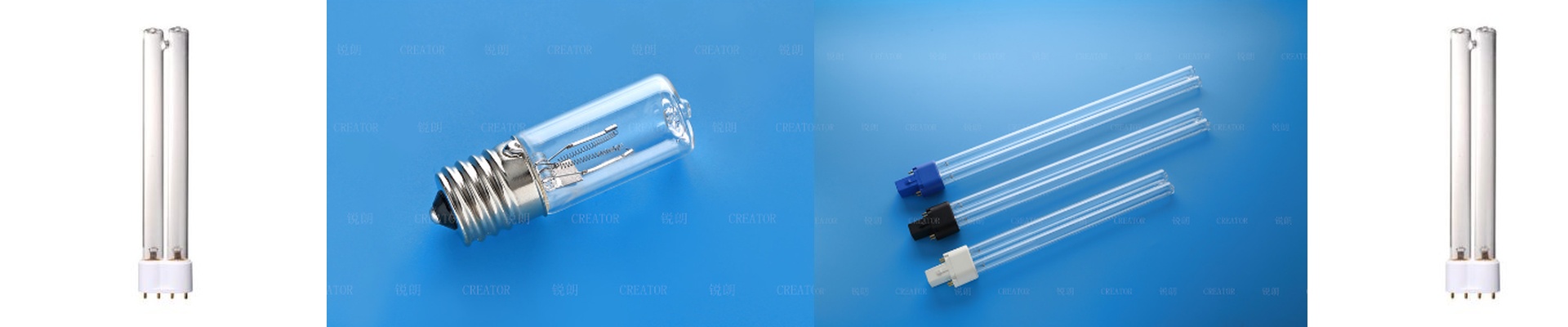
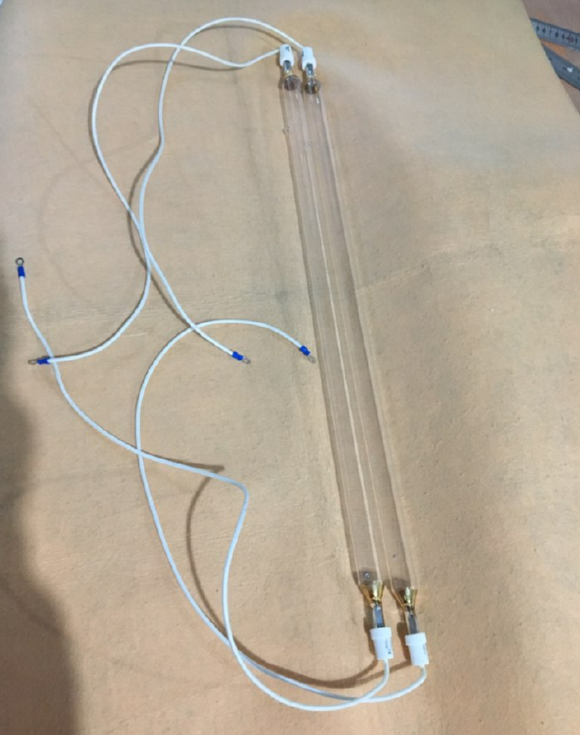
You can’t just buy a random bulb off a shelf and expect it to work. Most textile conveyors are custom builds, so our lamps have to be, too. We tweak the arc length and where the electrodes sit to make sure the light hits every single inch of the fabric evenly. No dead spots. We use high-purity quartz glass because it lets the most UV light through. But quartz is fragile. These lamps gethot. If a cooling fan dies or the conveyor slows down for a second, you’re risking a blown bulb or, even worse, scorching a whole roll of expensive fabric.
Getting it running
Setting this up is mostly about the electricals. You have to match the ballast perfectly to the lamp’s specs. If the voltage is wonky, you’ll either kill the lamp’s lifespan or get patchy curing. We design these as drop-in replacements because nobody wants their line down for hours. You swap the lamp, double-check the alignment, and flip the switch. As long as your power grid can handle the load, it’s a pretty simple mechanical fix.