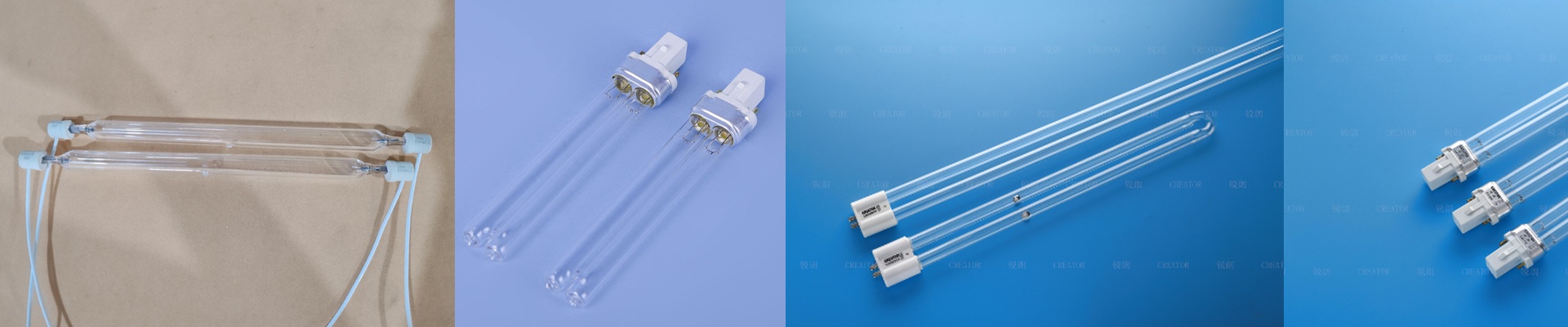
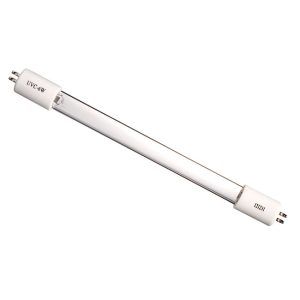
Getting the Most Out of Your Mercury UV Curing
Let’s be honest: mercury UV tubes are the heavy lifters of the industrial world. They do the dirty work for coatings and adhesives every single day. But if you’re running a high-volume line, you aren’t just looking for “curing.” You’re looking for reliability. You want to know that your line isn’t going to grind to a halt in the middle of a shift because a lamp decided to quit.
Why some tubes just last longer
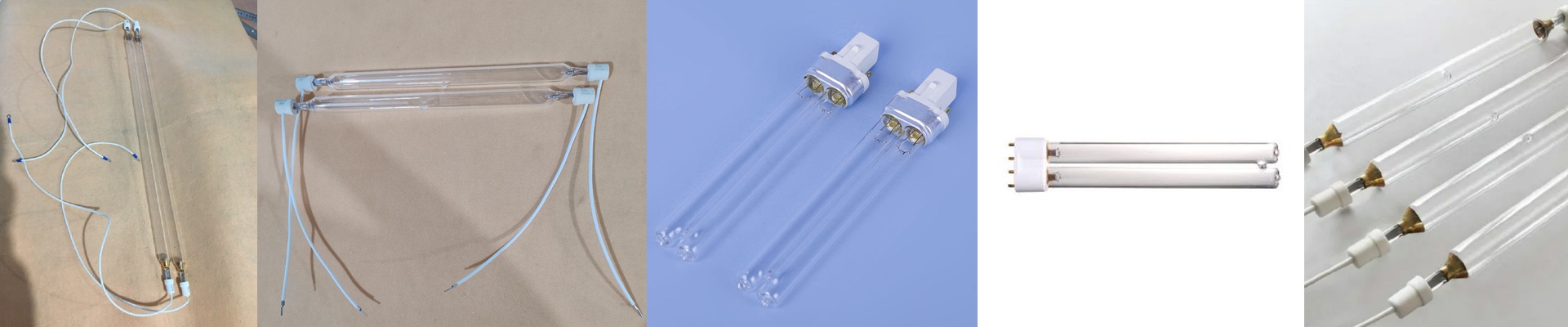
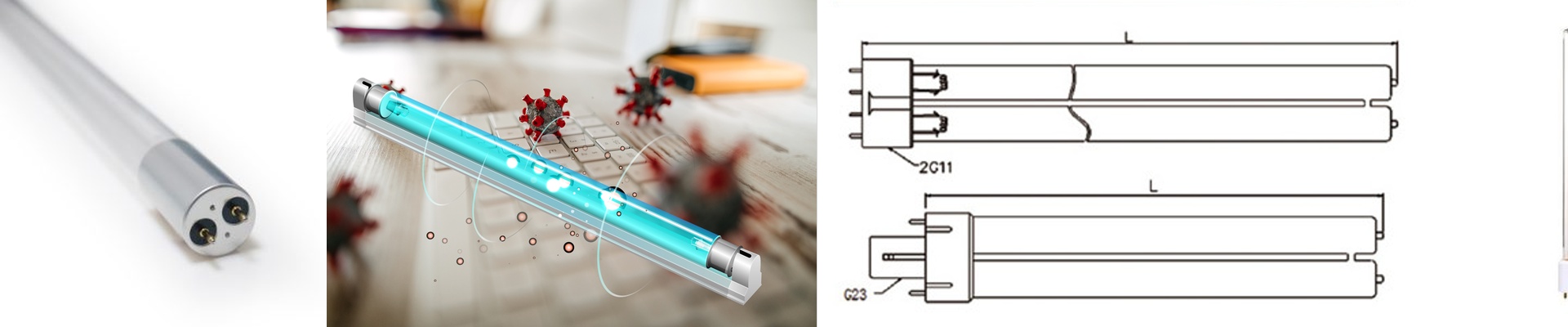
Here is the thing about mercury vapor. Most standard tubes burn out because the electrodes wear down or the quartz glass gets cloudy—what the engineers call solarization. It’s frustrating. We tackle this by using high-purity synthetic quartz and tweaking the mercury vapor pressure to keep the arc steady. We also use doped electrodes that fight off sputtering. What does that actually mean for you? It means the light stays consistent. Your UVC/UVB peaks don’t dip, so you don’t have to keep slowing down your conveyor belt just because your lamps are getting old.It just keeps moving.
Dealing with the heat
These tubes pump out a massive amount of power to get the job done. But when you cram that much energy into a small glass tube, things get hot. Fast. Heat is the enemy here. We build these for high intensity, but you’ve got to keep your cooling manifolds clean. If your airflow drops, the tube temperature spikes. When that happens, the mercury vapor pressure shifts, the light color changes, and the tube dies way sooner than it should. Keep the air moving. Your equipment will thank you.
Fitting them into your line
We designed these to be simple drop-in replacements. We kept the footprint tight because the closer the lamp is to your product, the faster it cures. But there’s a catch. If you get too close, you risk overheating your substrate. It’s a balancing act. You have to find that sweet spot between the lamp’s power and how fast your line is running. Look, we aren’t going to tell you these lamps last forever. Nothing does. Every tube eventually fades. But by getting the electrode chemistry right, we push that replacement date further and further back. That means fewer headaches and less time spent messing around with intensity sensors.