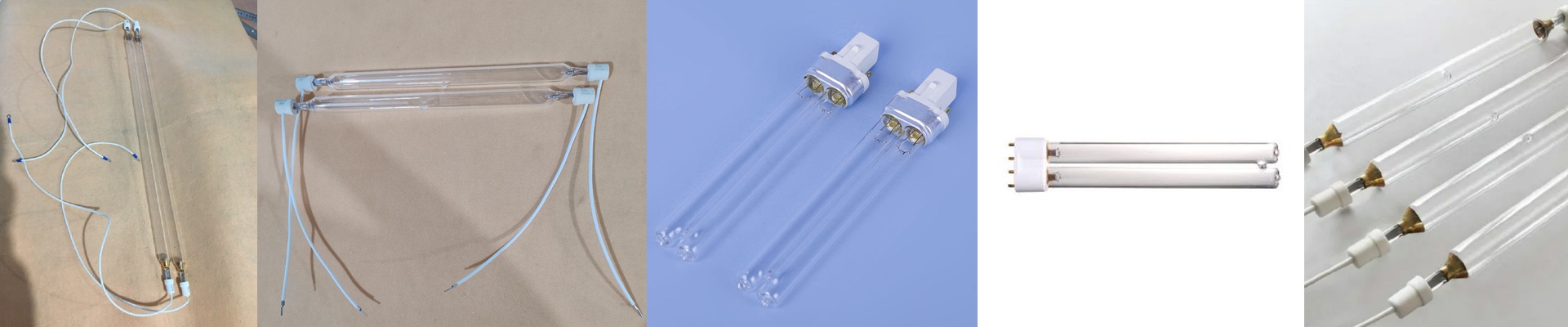
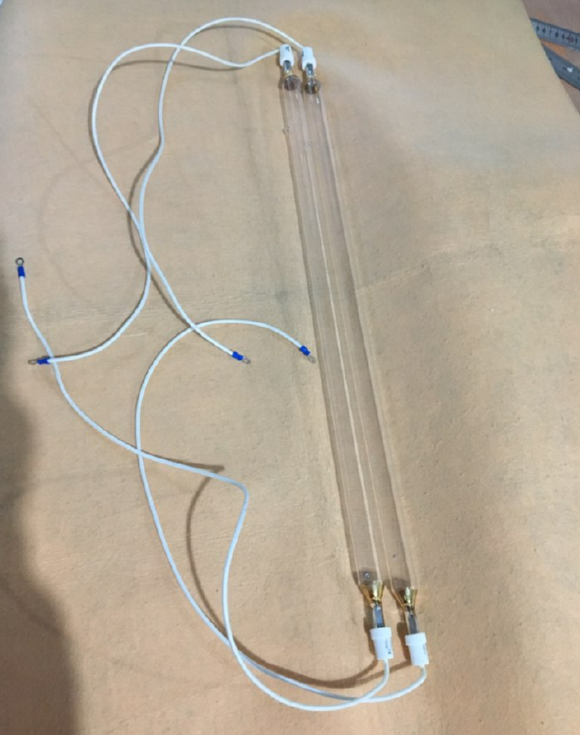
Getting Your OEM Brand Right with Custom Gallium Iodide UV Lamps
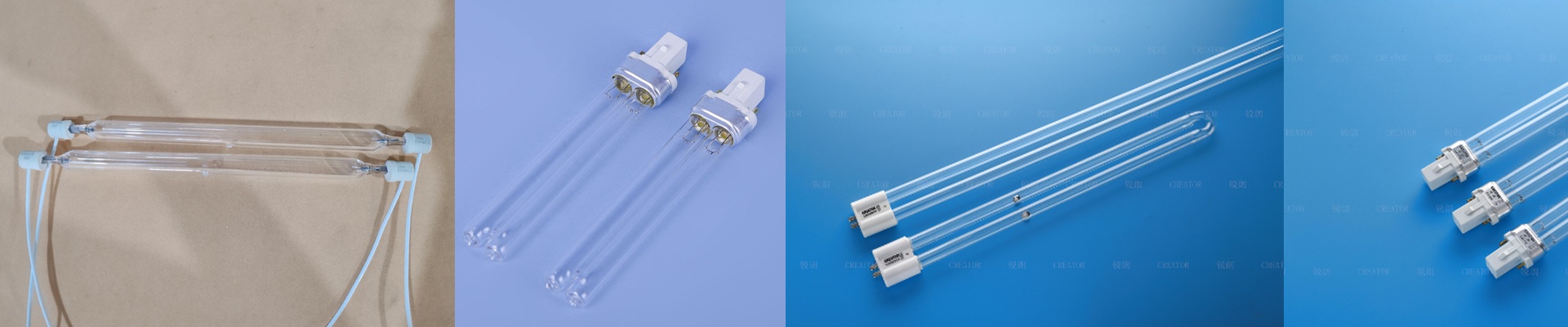
Most people are used to standard mercury vapor, but Gallium Iodide (GaI) is a different beast. It pushes the UV spectrum toward longer wavelengths. Why does that matter? Because if you’re trying to trigger a specific catalyst or cure a picky polymer, you need that narrow-band precision. Otherwise, it just doesn’t work.
Dialing in the Specs
When we sit down to spec out a lamp, it’s a bit of a balancing act. Voltage and wattage aren’t just numbers—they control the light output and, more importantly, the heat. We can tweak the tube’s length and diameter so it slides right into your current housing without any fuss. But here’s the catch: more wattage means more UV intensity, but it also makes the quartz envelope run hot.**Really hot.**You’ll want to double-check that your cooling fans or water jackets can actually handle that thermal load. If they can’t, the quartz might crack, and that’s a headache nobody wants.
The Nitty-Gritty: Materials and Plugs
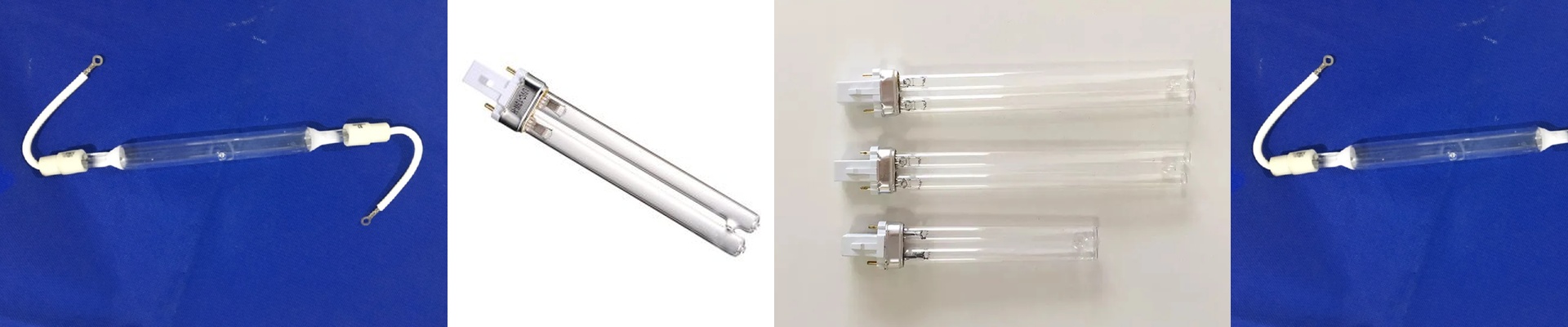
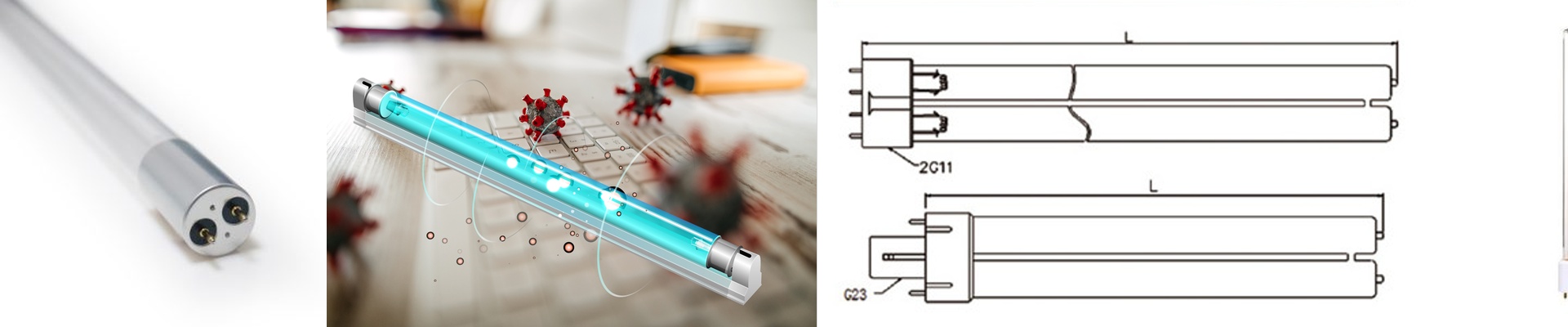
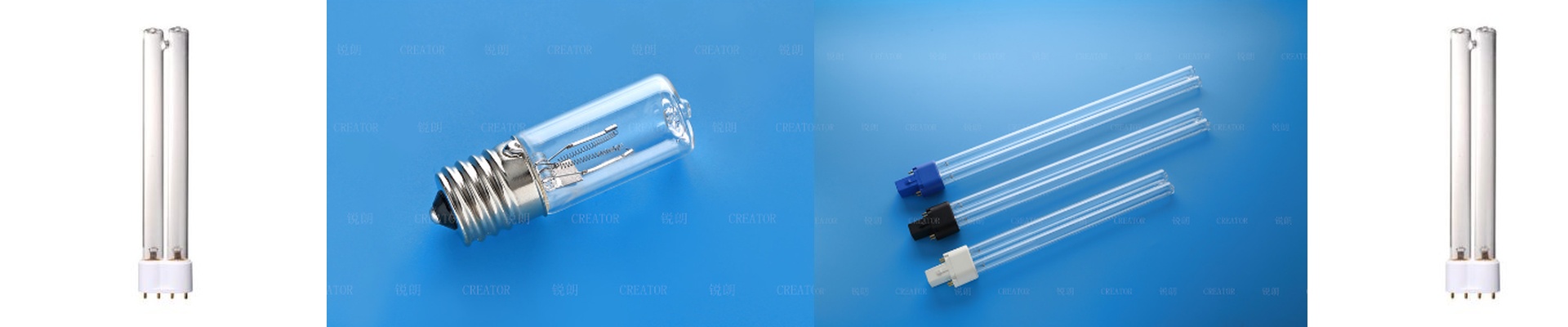
We use high-purity fused quartz because it lets the most UV light through. One thing to keep in mind: GaI is sensitive. If the lamp runs too cold, your output just drops off. It needs that sweet spot. As for the connections, we can do R7s, SK15, or whatever else fits your wiring. We pick these specifically so they can handle the current without melting your contact points. And if your machine has seals that might degrade, we can add specialized coatings to filter out those nasty VUV wavelengths.
Making it Your Own (and the Trade-offs)
If you’re looking to put your own brand on these for your product line, we’ve got you covered. We handle all the technical tolerances on our end so you can give your customers a “drop-in” replacement that just works. Just a heads-up on the timing. GaI lamps don’t snap on instantly like mercury lamps do. They have a slower warm-up profile. You’ll need to bake that lag time into your control system. If you don’t, you might end up under-curing your material during those first few moments of start-up. It’s a small detail, but it’s the difference between a perfect finish and a ruined part.