Making Gallium Iodide UV Systems Actually Smart
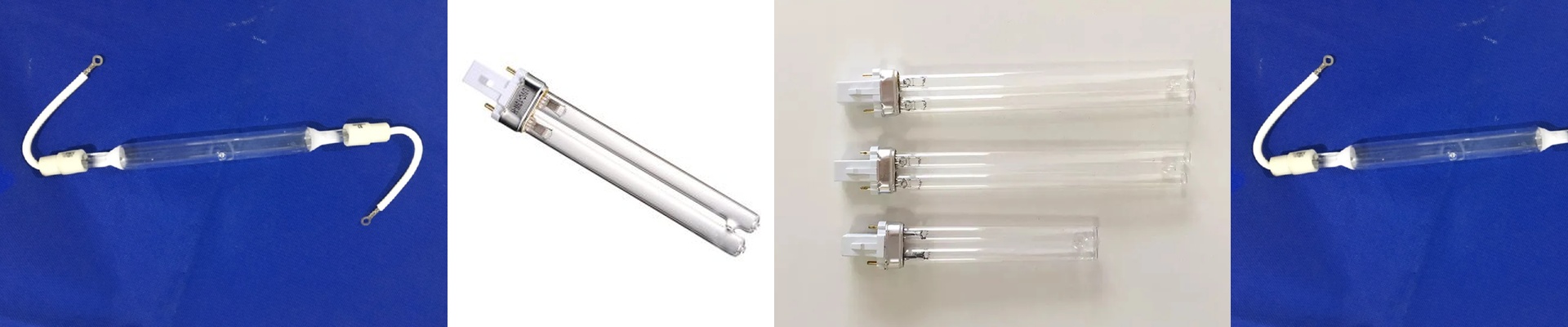
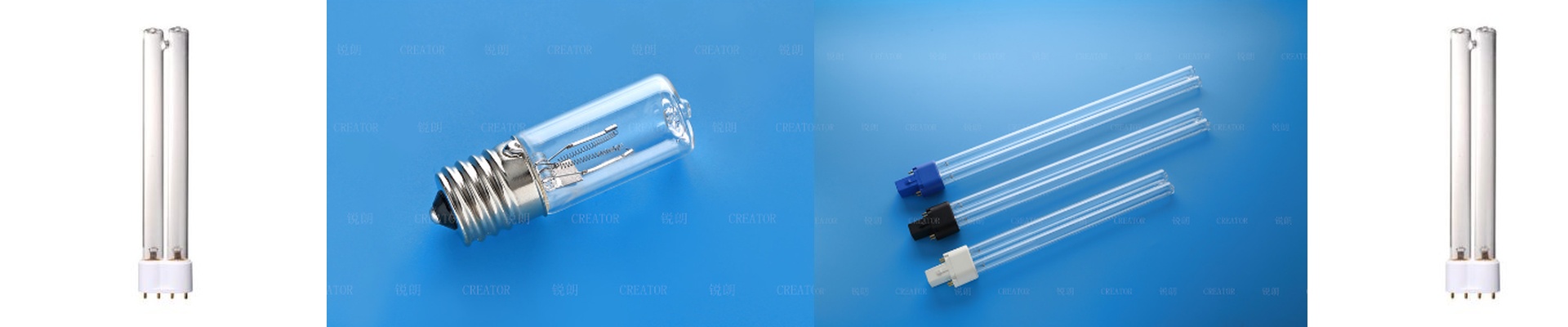
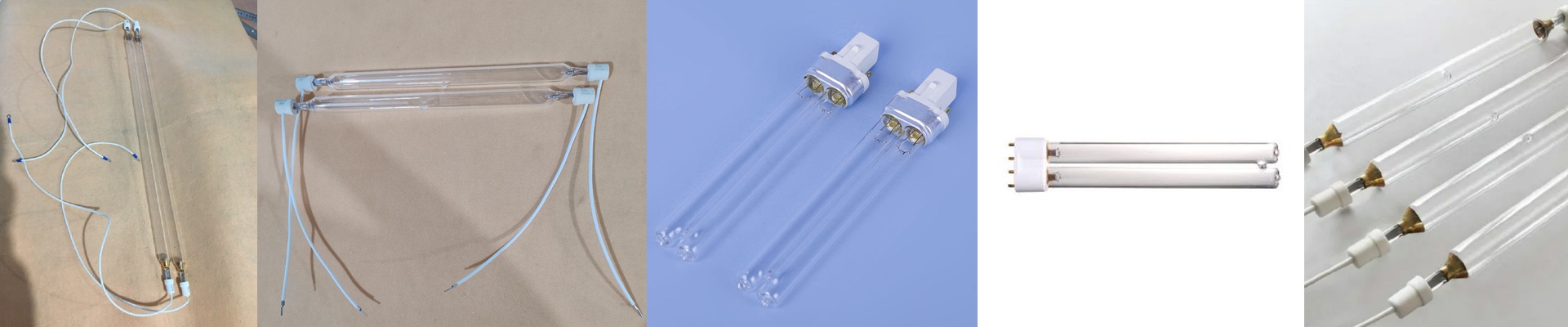
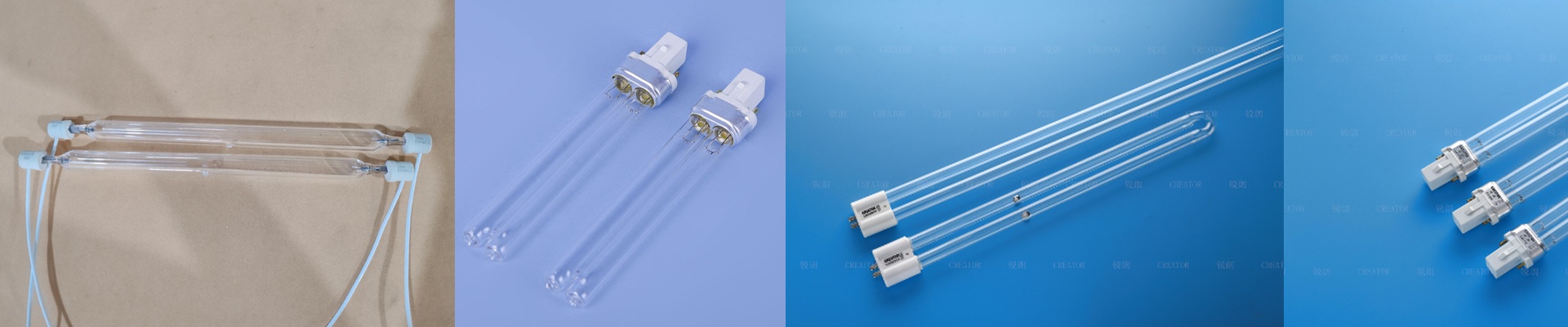
If you’ve spent any time in a PCB factory, you know the drill with Gallium Iodide lamps. They’re great for high-precision photoresist curing because they hit those specific UV wavelengths you need. But for a long time, these things have basically just been “dumb” heat sources. We’re changing that. We’re turning them into networked assets by adding remote energy monitoring.
Why Gallium Iodide Matters (And Where it Fails)
Here is the deal: Gallium iodide emitters are way more precise than your standard mercury lamps. They give you a much tighter cure profile. That’s a huge win because it stops the resist from over-curing, which is usually why you end up with peeling or brittle traces. But there’s a catch. These lamps are incredibly finicky when it comes to voltage. If your power supply drifts even a little, your consistency goes right out the window.
Stop Guessing, Start Monitoring
We decided to stop the guesswork. Now, we’re embedding sensors that track wattage and thermal drift in real time. In the past, you probably just tracked lamp life by the hour or did manual checks. That’s a gamble. Now, you can see the actual power draw. When the energy efficiency dips, it’s usually a warning sign—maybe the electrodes are degrading or there’s a gas leak. Instead of waiting for a lamp to blow and killing your throughput, you just schedule a swap before the line ever stops. No more “burn out” surprises.
Real-World Setup
When you plug these into a central dashboard, you can see exactly how much energy is going into every single board. Plus, if a lamp is starting to fail on a 50-meter line, you’ll know instantly. You don’t have to walk the whole floor to find the problem. Now, a quick heads-up: putting IoT sensors inside high-voltage UV housings is a bit messy. You get a lot of electrical noise. To fix that, we use shielded cabling. It keeps the ballast’s interference from messing with the data, so the readings stay clean and accurate. It’s a simple shift, but it changes how you work. You stop replacing parts because a calendar told you to, and you start replacing them because the data shows they’re actually wearing out.