Introduction
We build Gallium Iodide lamps for industrial UV work—the kind of jobs where the spectrum has to be exactly right, every single time. Our factory in China is focused on one clear goal: hitting a 0.5% spectral energy concentration. Not a flashy claim. A real, measurable performance target. Because when your process depends on stable, repeatable output, you need a lamp that shows up and does its job—shift after shift.
Technical Deep-Dive: Power, Voltage, and Dimensions
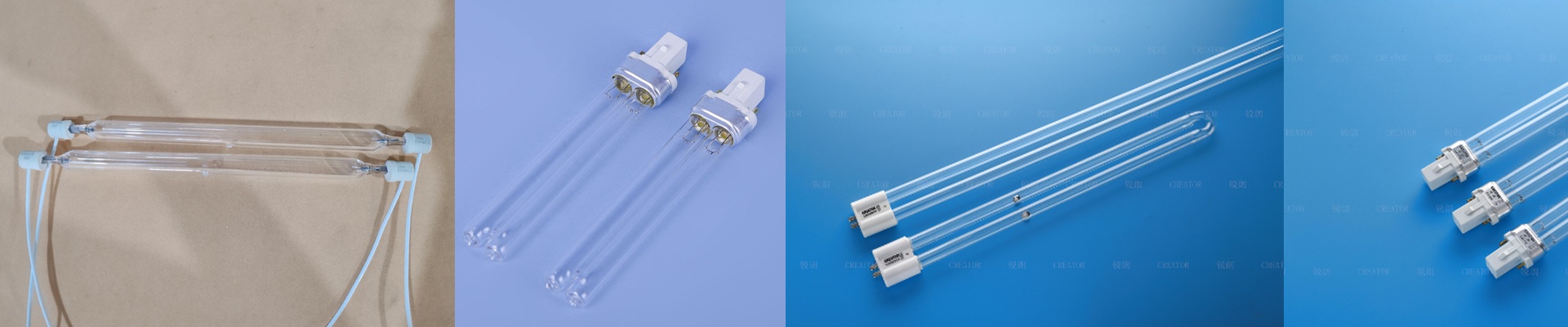
To hit that concentration, the lamp has to stay steady under pressure—consistent arc, predictable heat. That’s why we run it at high voltage. A high-voltage arc keeps the discharge path tight and stops current from jumping around. And when the current stops jumping, the spectrum stays put, even during long production runs. Wattage isn’t chosen by guesswork. It’s matched to what your line can handle thermally—so you get the power you need without overshooting. And the tube length? It’s engineered to fit standard industrial fixtures and focus the energy where it matters. Too short, and the energy spreads out. Too long, and you lose intensity right where you need it most.
Material & Design: Halogen Cycle, Quartz, and Terminations
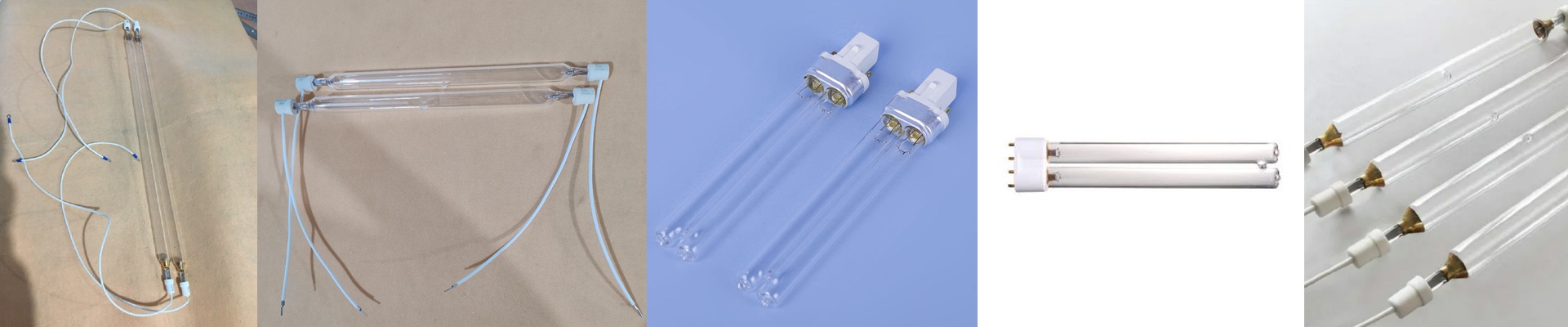
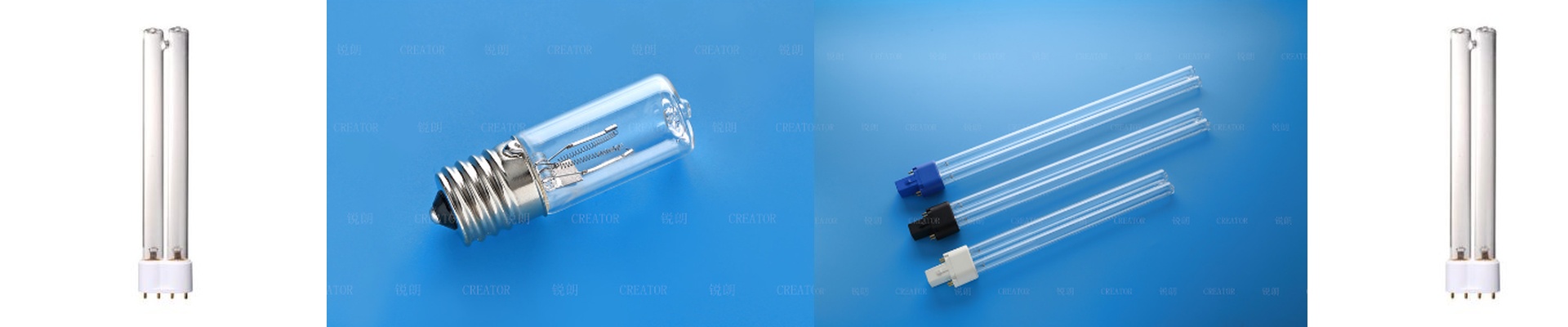
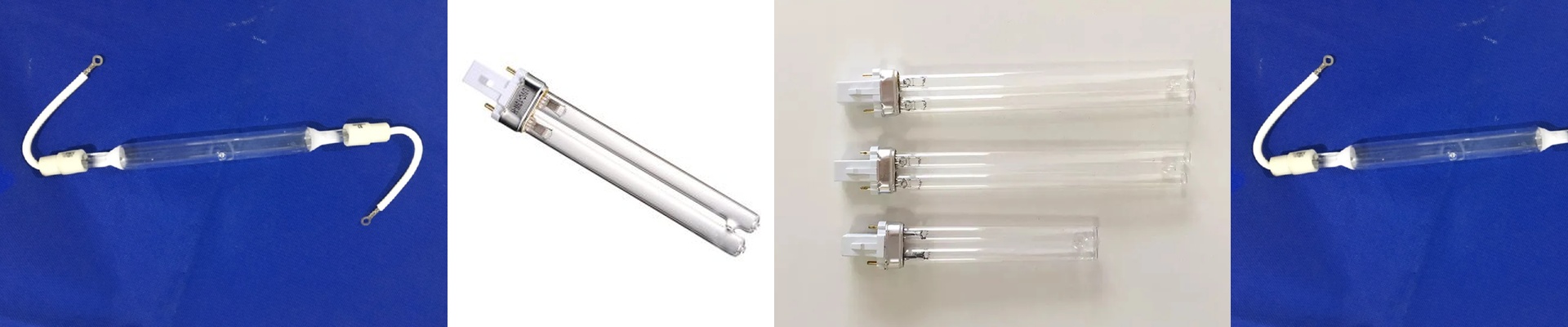
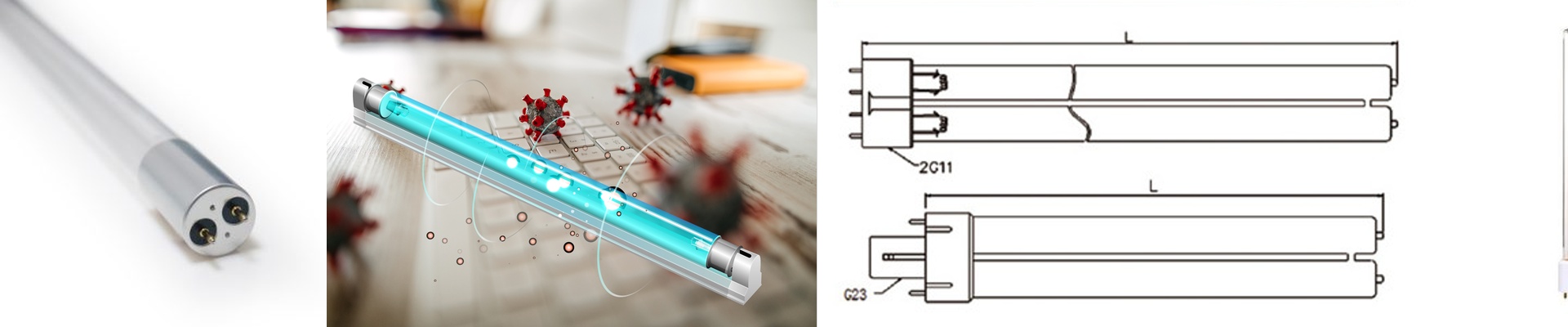
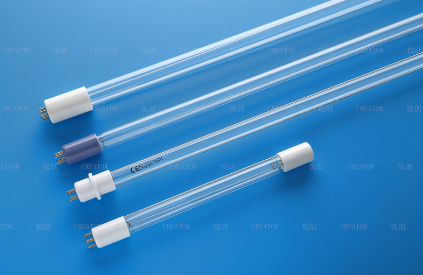
At the heart of the lamp is Gallium Iodide chemistry working on a halogen cycle. That cycle keeps the quartz envelope clear by pulling tungsten back into the arc instead of letting it blacken the tube. The payoff is output that stays stable over time—less drop-off, fewer surprises. The quartz itself is chosen for strong UV transmission and the ability to handle thermal shock. The connectors are picked for a secure, low-resistance electrical fit—so you can wire it up quickly and avoid hot spots at the ends. This is a drop-in component, built for heat, built for 24/7 duty.
Application & Benefits: Precision Under Load
In real production, this setup is for engineers who can’t afford variance. The lamp holds its spectral output even under load, so your process window stays tight. The trade-off is honest: the power density needed to reach 0.5% concentration means your cooling and fixture setup have to be properly matched. If your machine can handle the thermal footprint, you get repeatable results without tuning the system every shift.
The R&D Reality: What It Took to Hit 0.5%
Hitting 0.5% spectral energy concentration meant controlling the details most lines let slide. We tightened tolerances on fill pressure, electrode geometry, and arc length. We ran burn-in and spectral mapping on every batch. The result is a lamp that behaves like a calibrated instrument, not a disposable part. For your team, that means fewer scrapped batches, fewer parameter swings, and less downtime chasing drift. For us, it means meeting a spec we can back up—on paper and on the production floor.
Selection Guidance: Match the Lamp to the Process
When you spec the lamp, start with your thermal budget, not just voltage. Match the tube length to your irradiation zone. And confirm connector and fixture compatibility before installation. When those pieces line up, the 0.5% concentration target stops being a gamble and becomes a normal, repeatable operating condition. If your process needs predictable UV intensity with minimal spectral drift, this is exactly the engineering-grade approach we build into every Gallium Iodide lamp from our China factory.