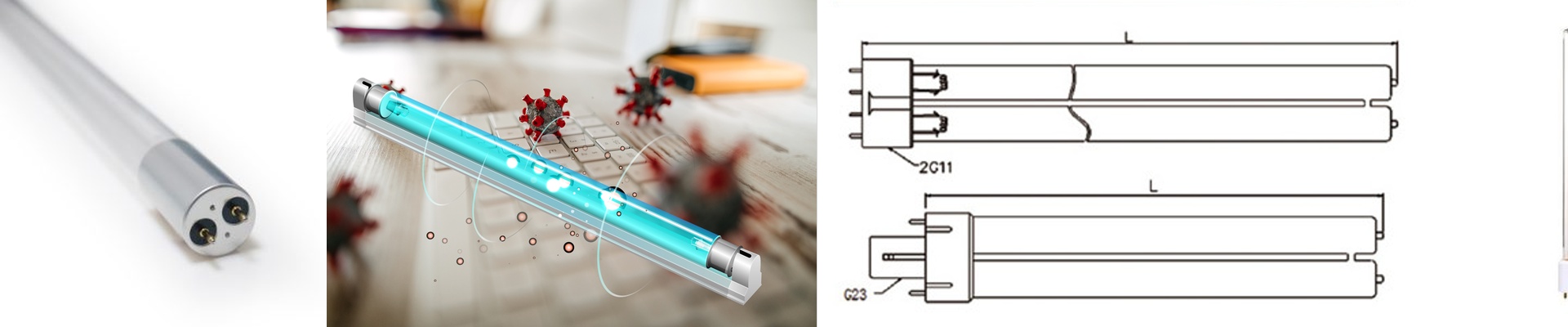
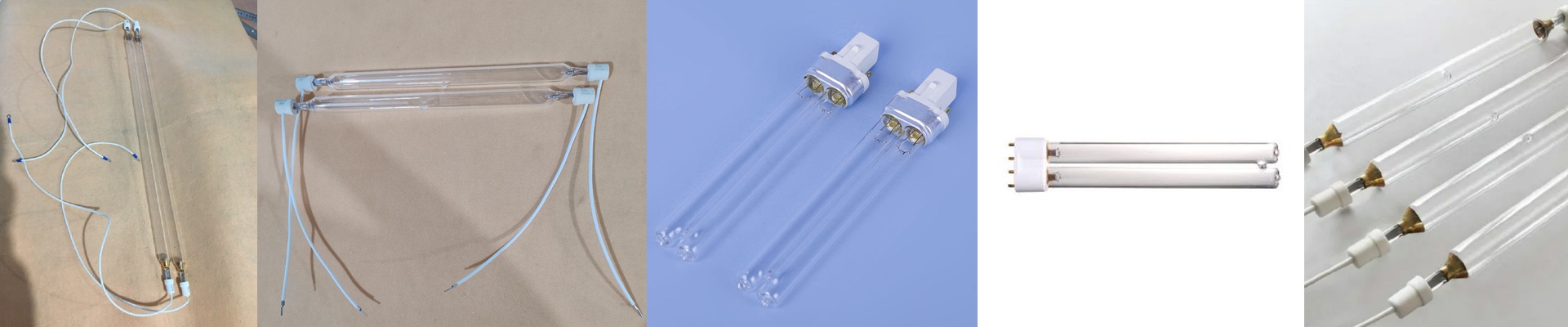
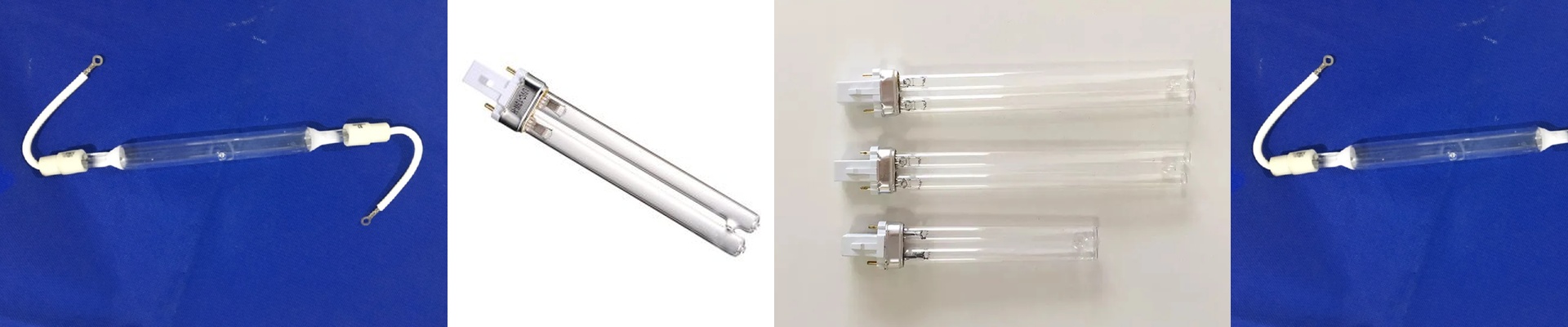
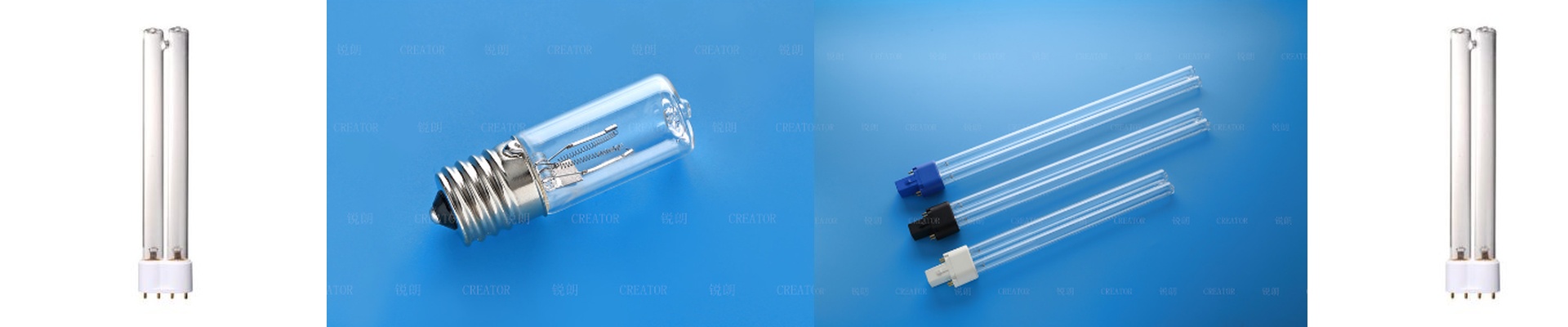
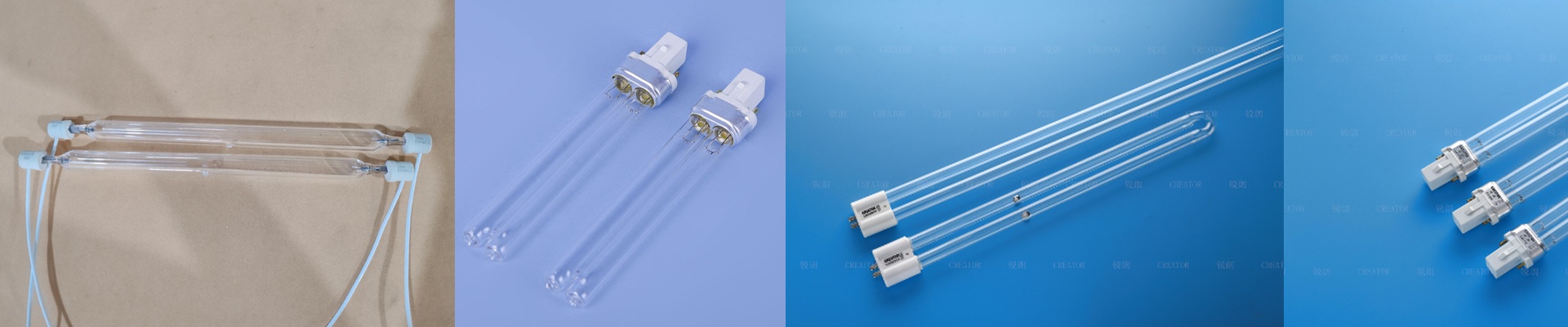
Ditching the Toxins: A Better Way to Build UV Curing Lamps
Let’s be honest: traditional UV lamps are a pain. Between the mercury vapor and the constant worry about breaking one on the shop floor, they’re more of a liability than a tool. We decided it was time to stop dealing with that headache. Our latest design is all about getting rid of the hazardous stuff. No mercury. No toxic waste. Just a cleaner, safer way to get the job done.
Making Them Actually Last
If you’re running a 24/7 automation line, you know that downtime is the enemy. A burnt-out lamp at 3 AM is the last thing you need. To fix this, we started with the materials. We use high-purity synthetic quartz and specific electrode alloys that don’t wear down nearly as fast. It keeps the lamp from dying prematurely, so you can actually trust your gear. Here is the tricky part: matching the light to your resin. We tune the wavelength peaks to hit your photoinitiators exactly where they need it. If you’re running a high-speed line, you need a lot of power—high irradiance. We get that by tightening the arc discharge. It makes the cure happen almost instantly. But, a heads-up: that kind of intensity puts a lot of stress on the glass.**Check your cooling fans.**If they aren’t up to the task, the thermal shock can crack the envelope, and then you’re back to square one.
Keeping it Clean
When we say “zero-pollution,” we aren’t just talking about the big stuff. We’ve stripped out the heavy metals, swapped in eco-friendly gas fills, and used lead-free solder in all the connectors. The goal is simple: stop throwing lamps in the trash every few hundred hours. We’ve focused on extending the life cycle so you aren’t constantly shipping waste to a landfill. We even reinforced the end-caps to stop gas leaks—which, if you’ve used cheap lamps before, you know is usually why they fail so early.
Getting Them on Your Line
You don’t need to rip out your entire conveyor system to make this work. These are designed to be a direct swap for the standard industrial tubes you’re probably using right now. One thing to keep in mind: since these are eco-friendly sources, they might behave a little differently. You might need to tweak your belt speed or adjust your resin thickness to get the cure depth just right. Don’t guess, though. We’ll give you all the spectral data you need so you can dial in your line and get back to work.