UV Sterilization and Curing Across the Textile Chain
Picture this: a piece of fabric, fresh off the line, moving from start to finish. And quietly humming along the way is UV technology. Specifically, we’re talking about UV halogen lamps—the unsung workhorses that handle both sterilization and curing, all the way from the first fiber to the final stitch. These lamps aren’t just there to shine a light. They’re delivering intense, focused energy. Think of them as a dual-purpose tool—part heat, part chemistry—that gets the job done. In the textile chain, they wipe out microbes on the fibers and instantly set coatings, inks, and adhesives. That one-two punch speeds everything up and does away with those long, energy-hungry drying ovens.
A Closer Look: Power, Voltage, and Size
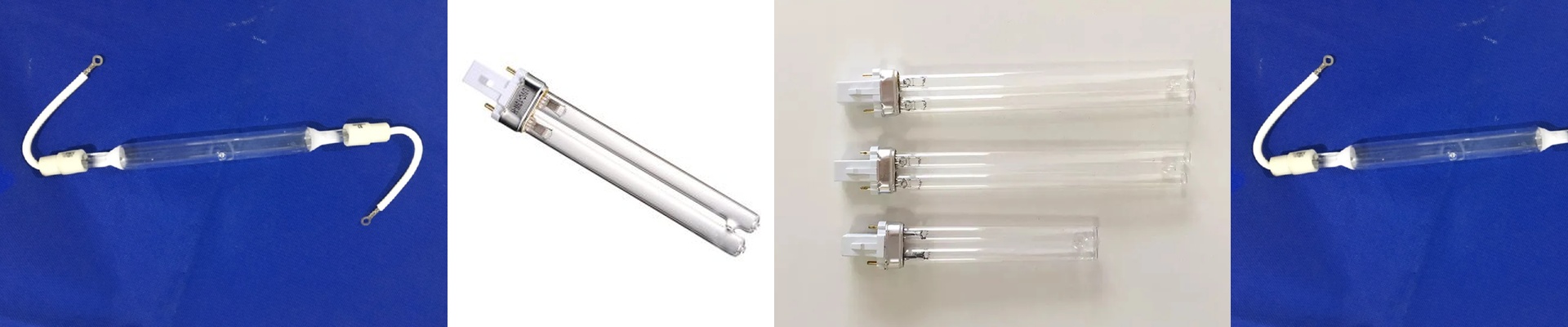
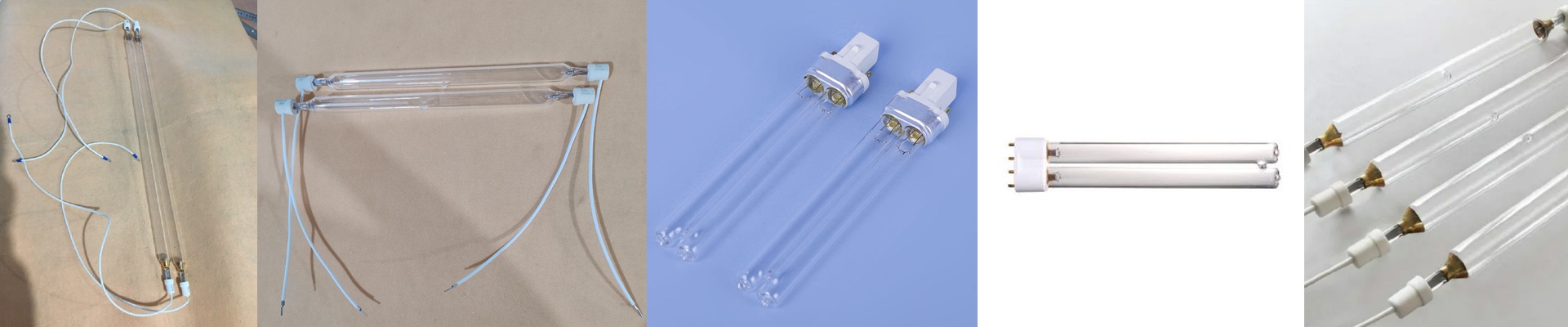
Here’s the thing about these UV halogen lamps: they’re compact but seriously powerful. Most run at 400V, packing a lot of punch into a short tube—often around 300mm long. That tight design is what gives you the intensity needed for rapid curing. It’s all about the physics. Higher voltage and a precisely controlled size let the arc produce a concentrated blast of UV. That concentration is what makes on-the-spot curing possible, even when the production line is flying. But there’s a trade-off. All that power in a small space means the lamp runs hot. Really hot. So your equipment has to be built to handle the heat. If the cooling system isn’t up to spec, you’ll run into trouble—parts wearing out too soon, and your curing process becoming unpredictable.
What They’re Made Of: Quartz and R7s Connectors
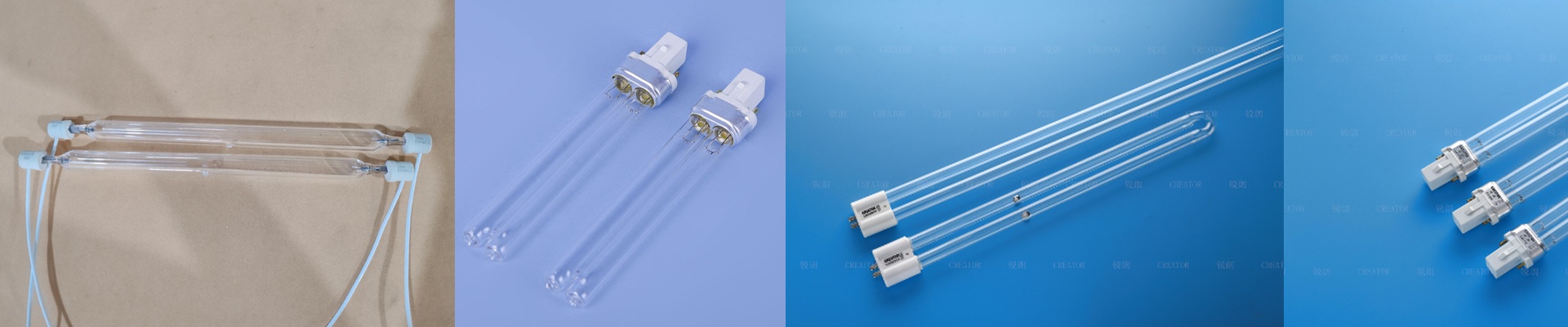
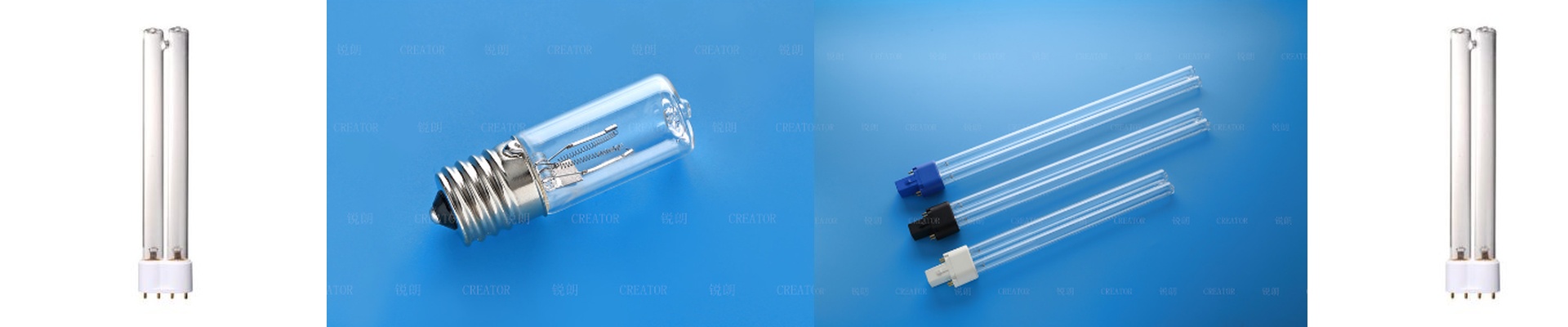
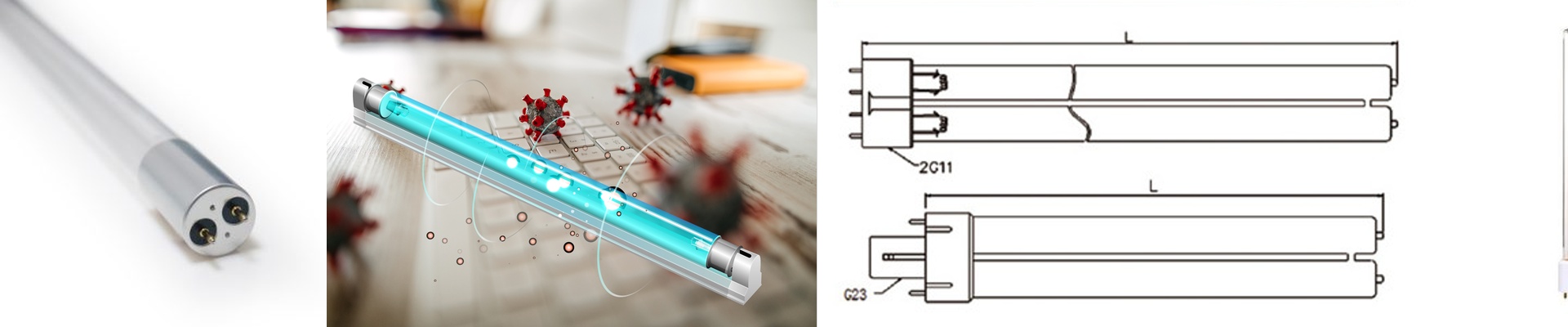
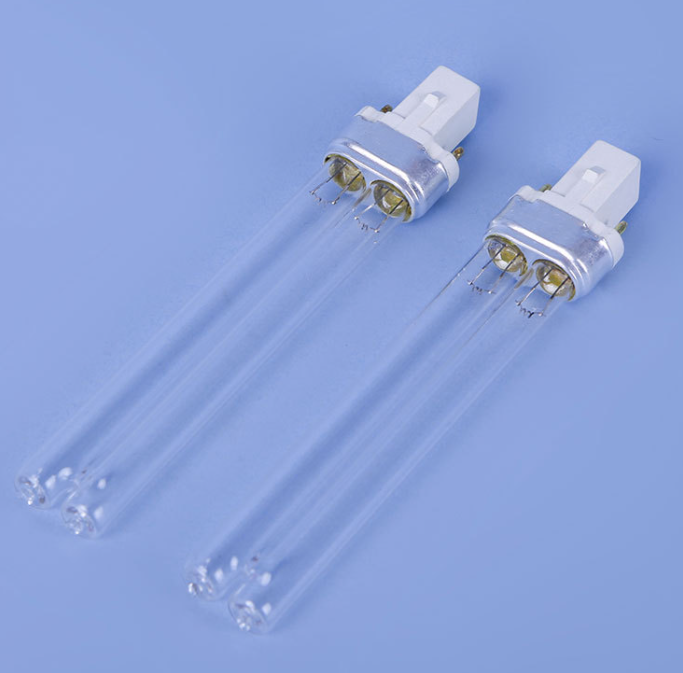
The body of the lamp is made from quartz, not regular glass. It has to withstand those high temperatures and let the UV pass through cleanly. Many versions also have a special coating to fine-tune the light spectrum, focusing the energy right where it’s needed for the chemistry of your coatings and glues. Then there are the connectors, like the R7s. They’re not just chosen at random. They handle a lot of current and give the lamp a secure, snug fit. This keeps everything aligned inside the reflector, maintains the right arc distance, and prevents hot spots or uneven output. On the shop floor, that means swapping a lamp out is simple, and performance stays consistent every single time.
How It Works for You on the Production Floor
In the real world, these lamps get put to work at several points along the textile chain. They sterilize non-woven materials, set the pre-treatment layers, and lock in pigments and finishes. The payoff? A process that’s faster, cleaner, and uses fewer solvents while cutting down on energy. For you, the engineer, it means more control. You can match the lamp’s output to your line speed and the thickness of the material, tweaking the process without having to slow down. Just don’t forget the heat. That same intensity that cures in seconds also means you need a solid cooling setup in the fixture. Plan for it, and the lamp will give you results you can count on, day after day.