Let’s Talk About UV Curing (Without the Fluff)
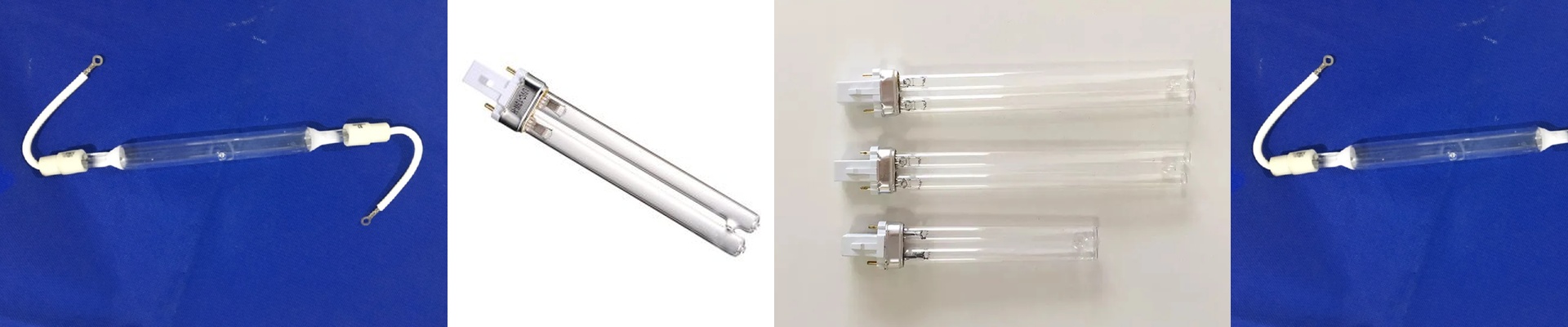
If you’re heading to the 2026 Printing Expo, don’t expect to see a bunch of generic bulbs on our table. We’re not into that. Instead, we’re showing off custom UV lamp modules built for one reason: to stop ink curing from being the bottleneck in your high-speed lines. Here is the reality. When you crank your press to max speed, your ink has to polymerize now. Not in a few seconds. Now. If your UV dose is even slightly off, you’re looking at smudges, peeling, or ink that just won’t stick. It’s a nightmare.
Getting the Power Right
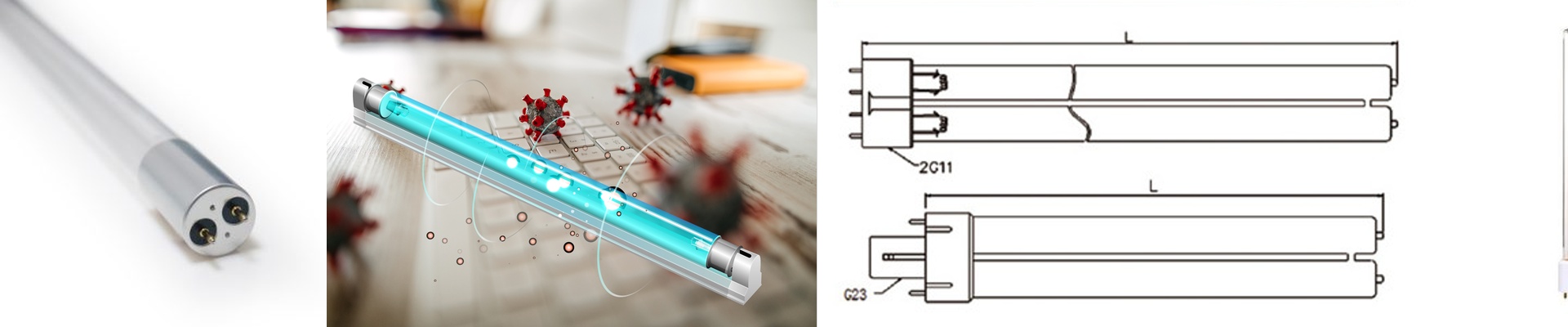
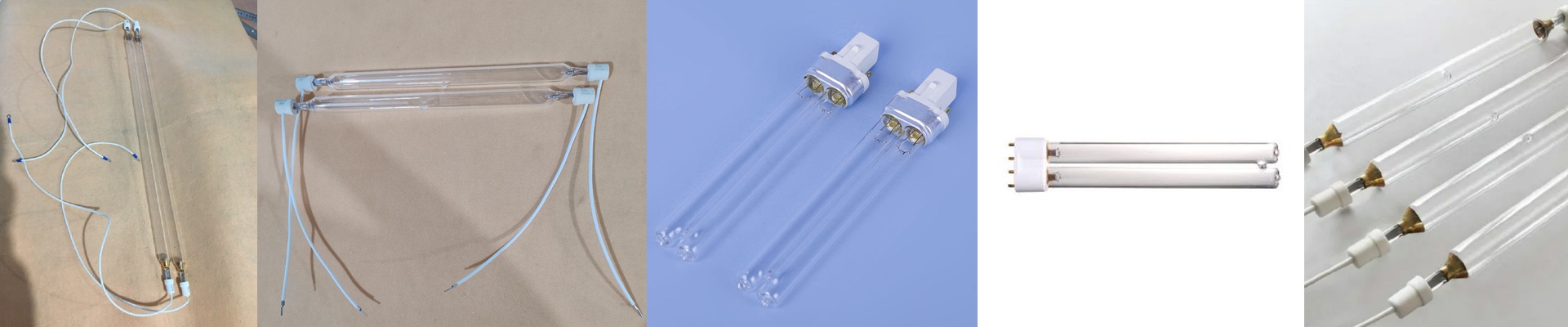
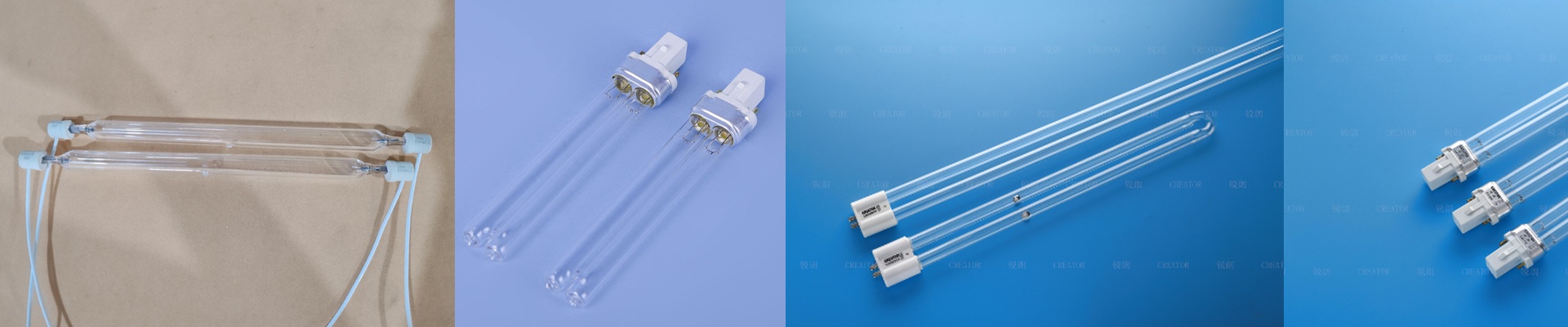
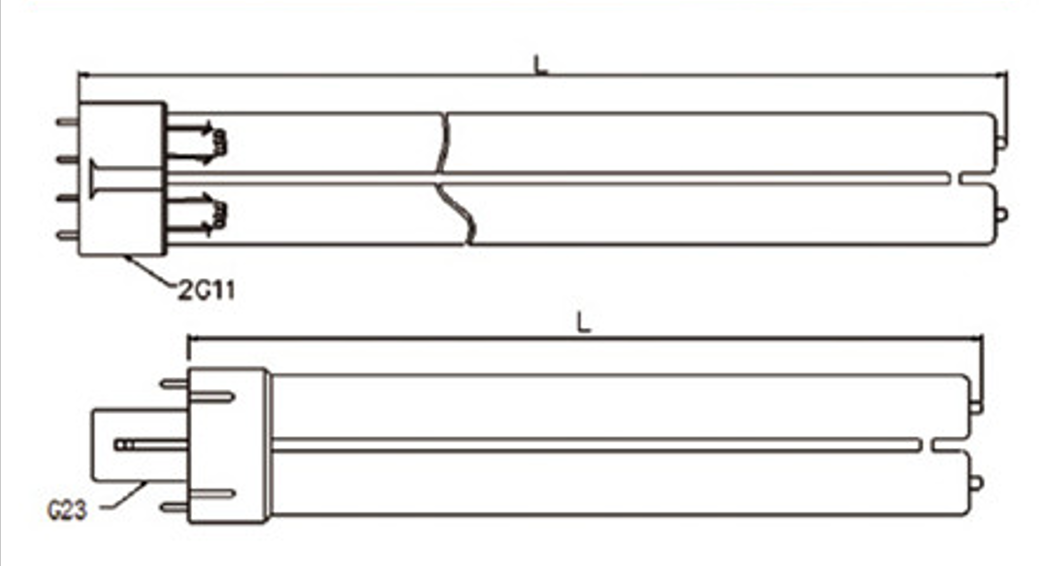
We don’t believe in “one size fits all.” We build these modules based on the specific wattage and wavelength your ink actually needs. Most of our high-output gear focuses on narrow-band UV. Why? Because we want the energy hitting the target frequency, not wasting power by turning your machine into a space heater. We’ll even tweak the length and diameter of the quartz envelopes so they slide right into the footprint you already have. Now, more wattage per inch means you can run your line faster. That’s the goal. But there’s a catch. Cramming that much power into a small space creates a lot of heat. You’ve got to get your cooling fans or water-chilling loops dialed in. If you don’t, you risk warping your materials or killing the lamp way sooner than you should.
Built for the Shop Floor
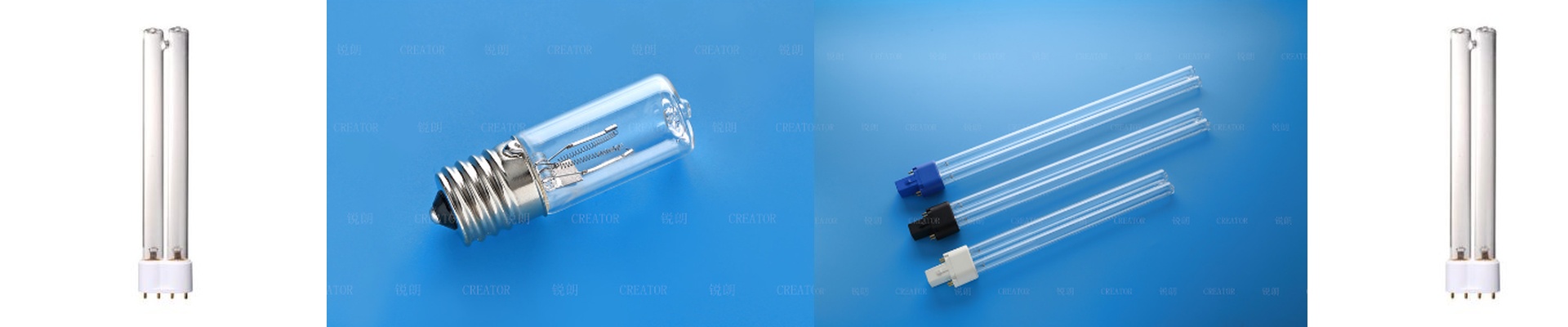
We use high-purity fused quartz because we don’t want the glass absorbing the UV light—we want that light hitting your ink. We also positioned the electrodes specifically to keep the arc stable. And for the people who hate downtime: these are drop-in replacements. You can wire them up and get back to work without having to tear apart your electrical cabinet. These things are built to take a beating. Vibration, thermal cycling, the usual chaos of a print shop. We spent a lot of time on the connection points because that’s usually where things break. We used reinforced leads that won’t crack when things heat up and cool down.
Making it Work for Your Materials
Whether you’re running PET, vinyl, or those tricky specialty coated papers, these modules handle it. By playing with the intensity and the distance from the substrate, you can control exactly how deep the cure goes. The result? Ink that’s dry to the touch and chemically locked onto the material before it even hits the rollers. Simple as that.