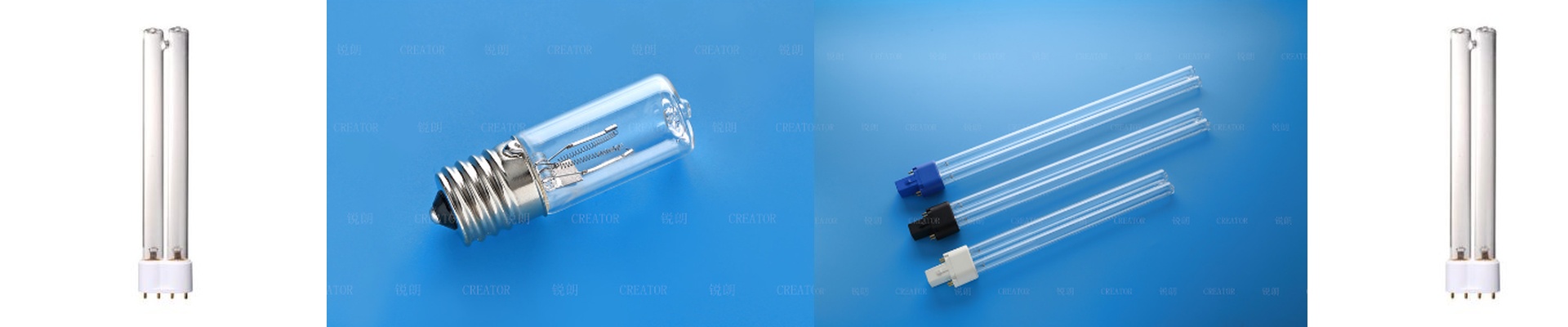
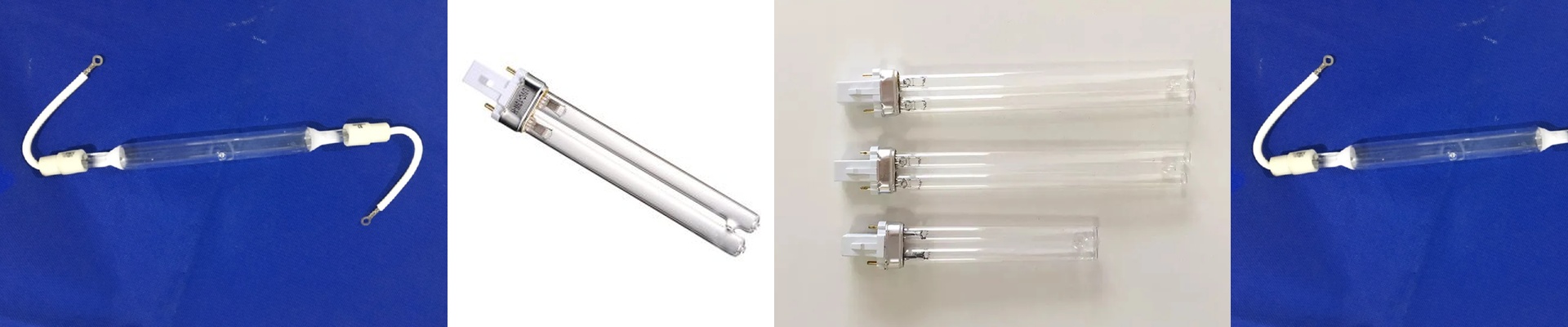
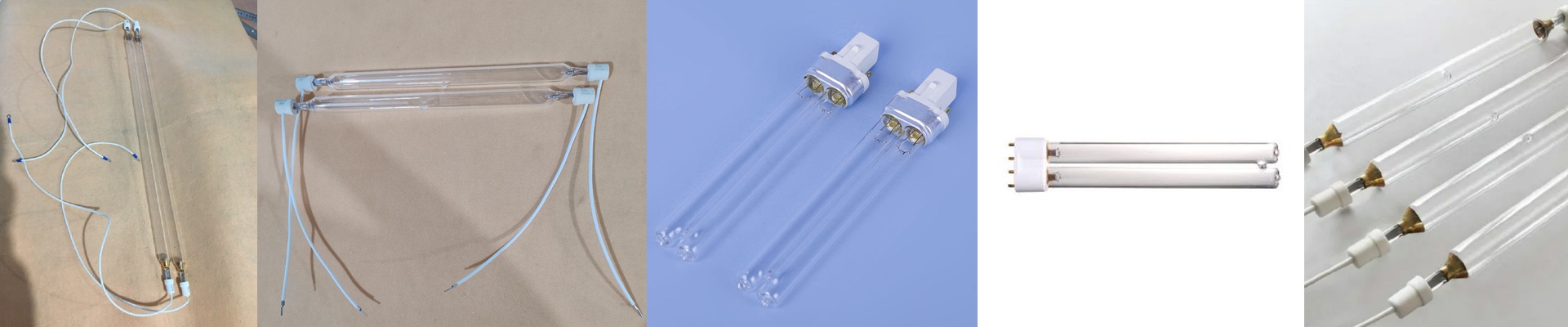
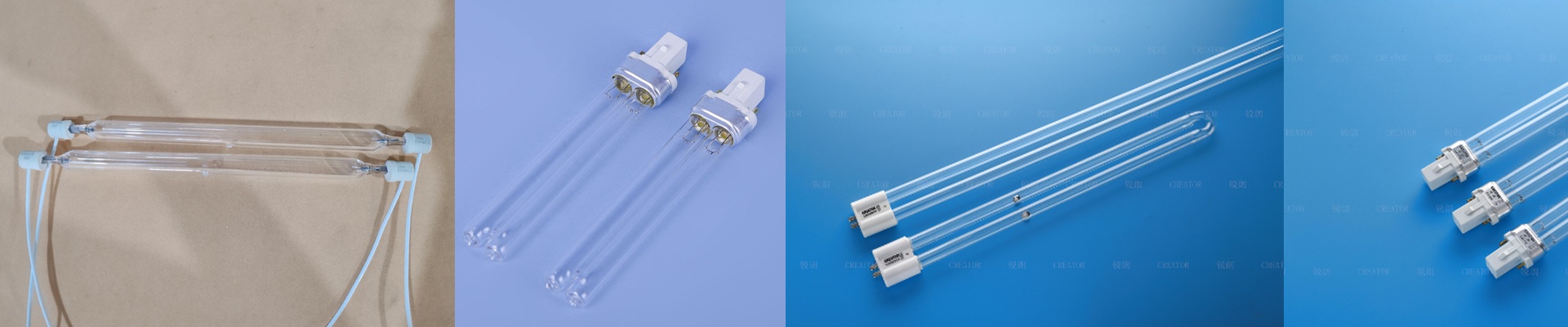
On press, bright doesn’t equal effective. A lamp can look blinding and still not deliver the dose your ink actually needs. Without routine checks, you get drift from lamp aging, reflector fouling, and ballast tolerance—quietly pushing up rejects and stretching cycle time. The straightforward counter is a practical, repeatable measurement: run UV energy test strips to measure delivered energy density at the substrate plane, and track it over time.
What matters, technically
Gallium-doped metal halide lamps are built for industrial UV curing because they concentrate output where photoinitiators absorb—typically around 365 nm—giving you high peak irradiance for fast cross-linking. In real life, that spectral profile translates into higher cure speed at the same energy density compared with broad-spectrum mercury vapor lamps. We design these lamps to hold stable arc temperature and consistent spectral output across the rated life, so the same setpoint on your controller keeps repeating. When the system is aligned and clean, you should see tight output repeatability.
Why this works on the floor
A UV energy test strip turns maintenance into something you can measure and act on. Run a strip at a fixed web speed and lamp power, note the cured width and the measured mJ/cm², and log it. Over weeks, the curve shows up: gradual loss from reflector reflectance decay and lamp end-of-life, plus sudden dips from cooling interruptions or quartz fouling. Catch the drift early, and you keep cure margin. That means fewer adhesion failures on PET, foil, and other tough substrates—and no more chasing quality by throwing more power at the job or stretching exposure.
The details that bite you
Gallium-doped metal halide lamps are sensitive to ignition method and operating current. Use a matched ballast and ignitor; mismatched drivers will shorten lamp life and distort spectral output. Confirm reflector alignment and keep the quartz window clean—dust and ink overspray can drop delivered intensity faster than lamp aging. Also verify compatibility with your shutter mechanism and connector interface. When you replace a lamp, stick with the same length and arc gap geometry so the focal distance stays what your reflector was designed for.