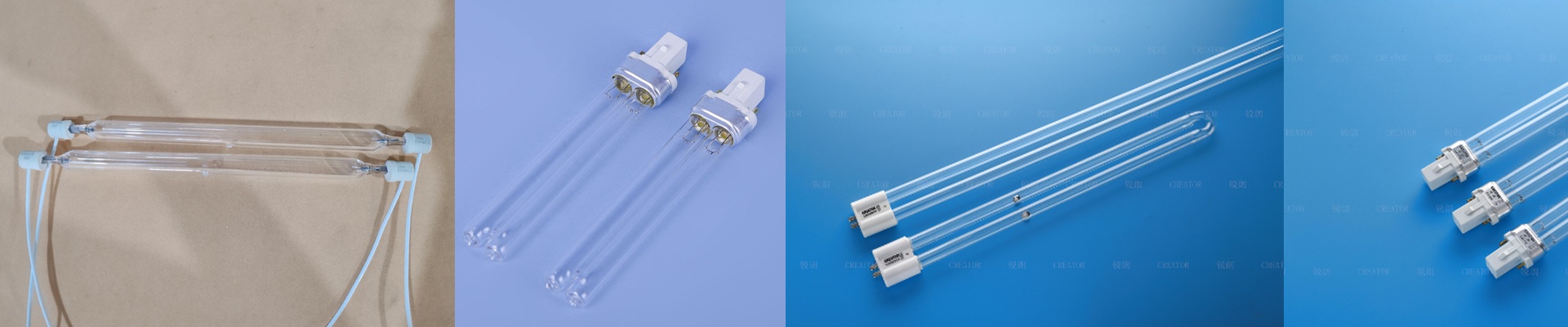
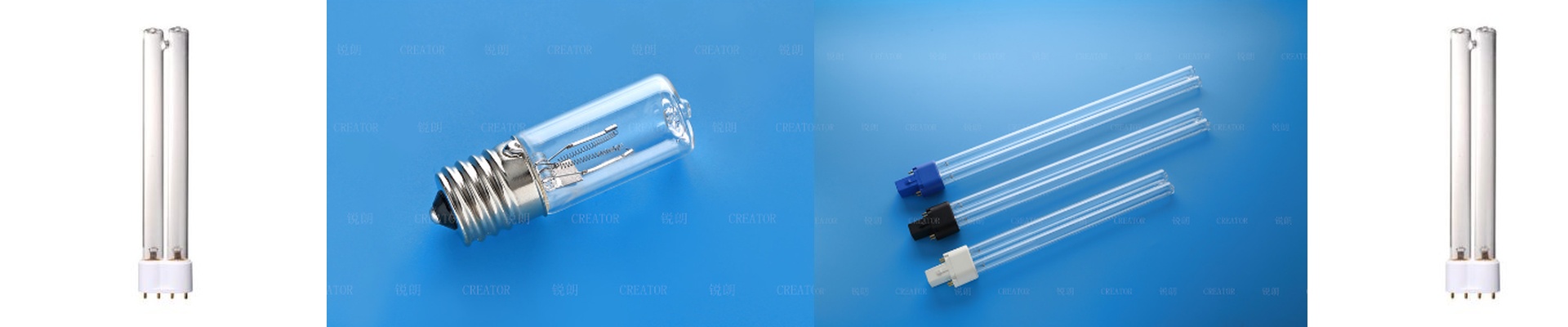
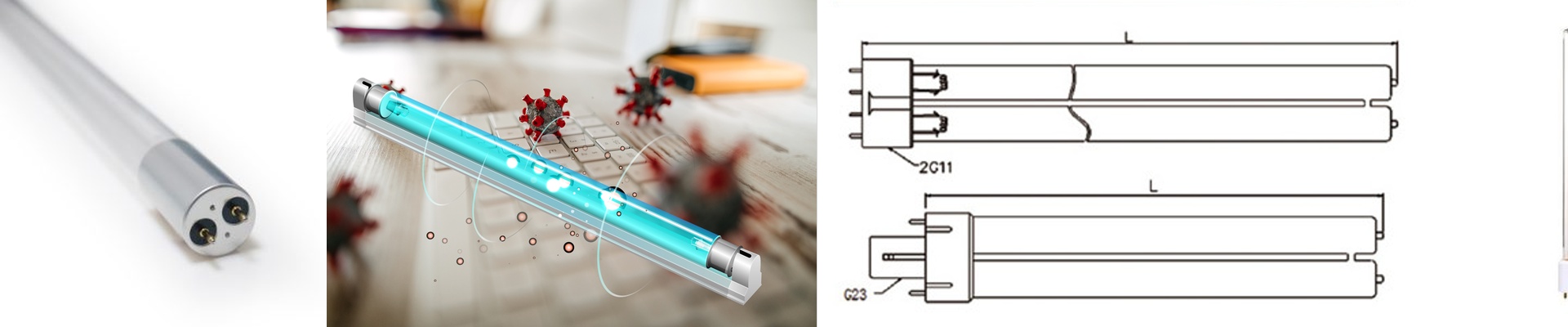
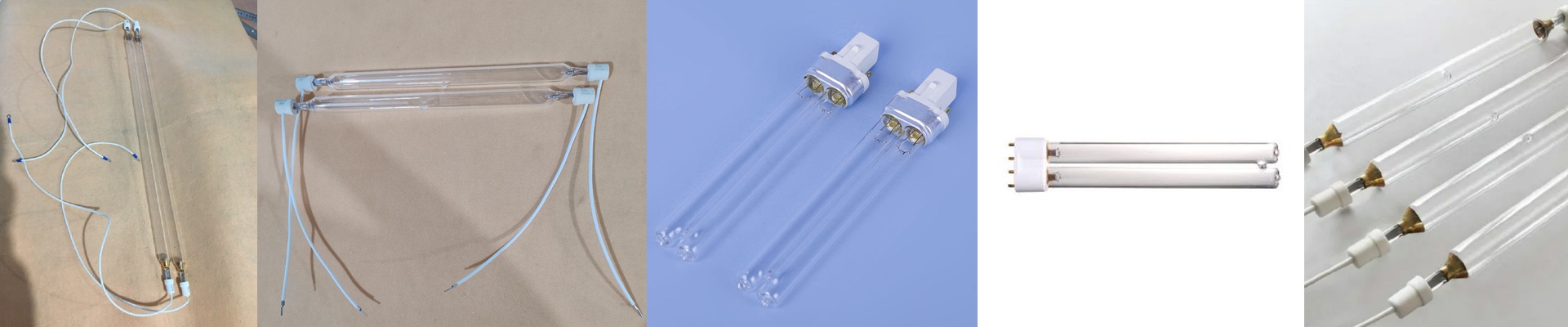
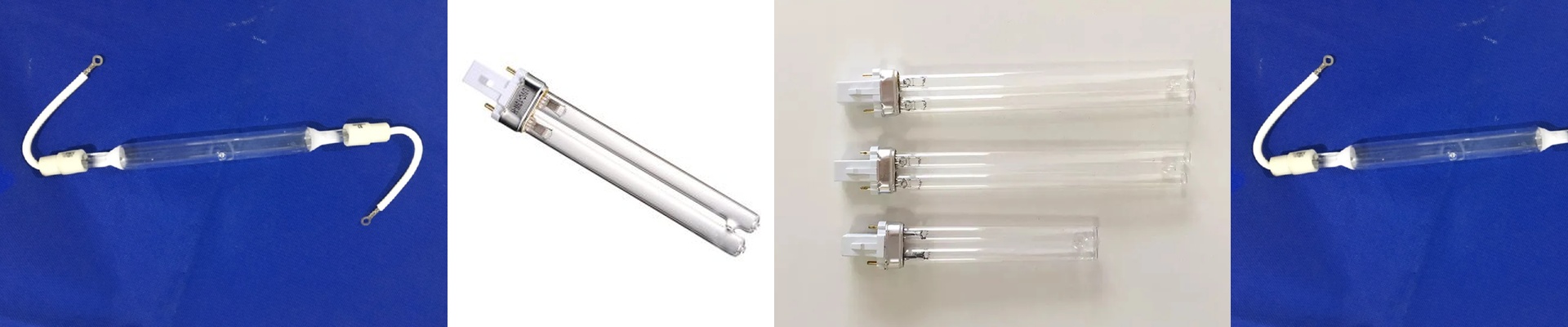
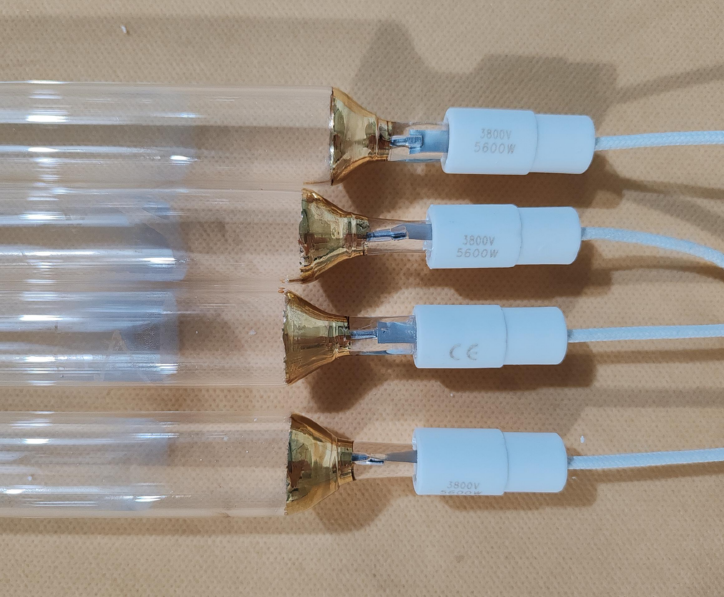
If you’ve ever run a shop with a few large-scale printing presses, you know the headache. It’s an electrical nightmare. When you’ve got several high-power UV lamps firing at once, they create this invisible chaos—electromagnetic interference—that messes with your control signals and makes your ballasts flicker. It’s frustrating, and it slows everything down. That’s exactly why we built our UV germicidal lamps the way we did. Most lamps just can’t hack it in these high-interference zones. Their circuitry is too flimsy to filter out the spikes coming from the heavy machinery next to them. We took a different route. We used shielded components and beefed up the filtering in our power supplies to block that noise out. Why does that matter? Because it keeps the arc stable. If that arc starts jumping around, your UV-C output goes all over the place, and suddenly your curing or sterilization speed is shot. Then there’s the power grid. In a real facility, motors and compressors are kicking on and off all day. You get these annoying voltage dips. We spec’d our systems to hold a constant wattage even when the power gets “dirty.” We threw in heavy-duty capacitors and precise inductive filtering so the lamp doesn’t just drop out or flicker every time there’s a surge. Now, there is a trade-off. To get this kind of protection, the ballast has to be bigger. You can’t cram this tech into a tiny box without it overheating. Just make sure your ventilation is set up to move enough air across the power units, or you’ll hit a thermal shutdown. One last tip: if you really want the best results, wire these into a dedicated circuit. Our lamps can take a beating from EMI, but a clean power feed is still the secret to making your electrodes last longer and keeping your output rock-steady through a 24-hour shift.