Keeping Your Fabrics Clean: The Real Deal on UV Sterilization
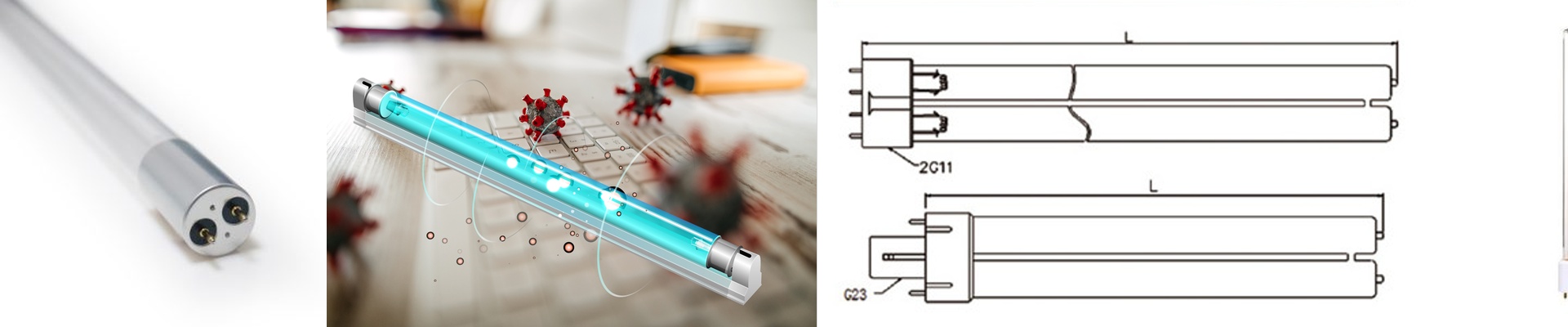
Most people think UV light is just for hospitals or fancy skincare tools. But in a textile plant? It’s a lifesaver. We use UVC light to wipe out the bacteria and fungi that love to eat away at fibers or make a finished shirt smell “off” before it even hits the shelf. Think of it as an invisible shield that follows the fabric from the moment the raw fibers arrive until the last box is taped shut.
The Tech Side (Without the Boredom)
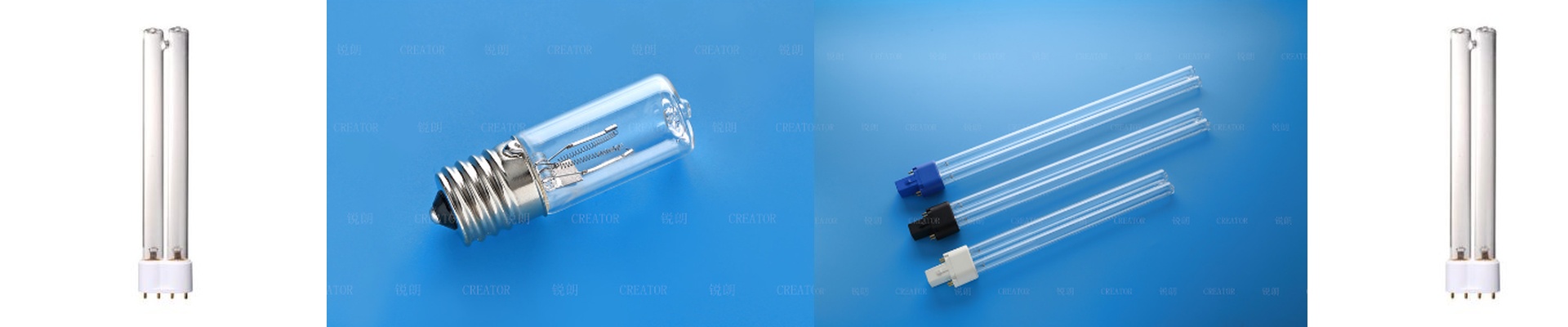
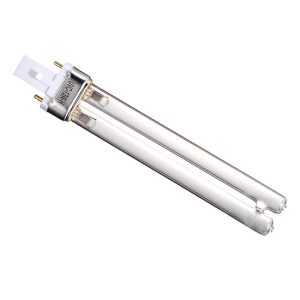
We stick to the 254nm wavelength. Why? Because that’s the sweet spot that actually breaks the DNA of germs so they can’t multiply. I’ve also ditched the old magnetic ballasts for electronic ones. They’re just better. No flickering, lower power bills, and the lamps don’t burn out nearly as fast because the power flow is steady. It just works.
Getting the Hardware Right
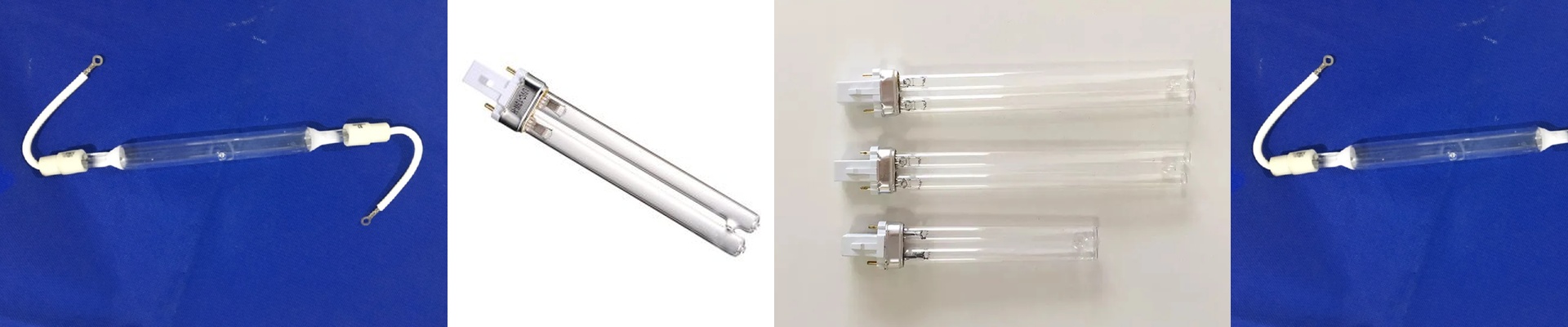
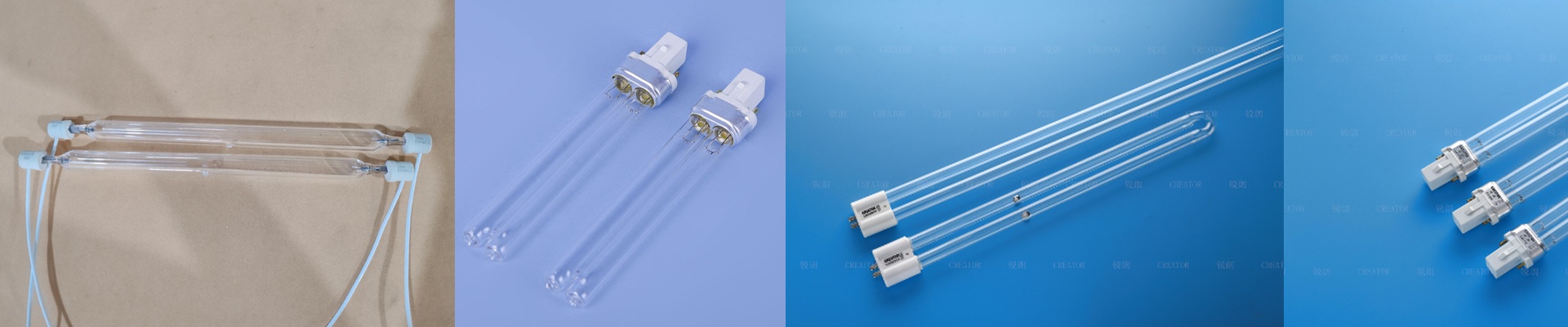
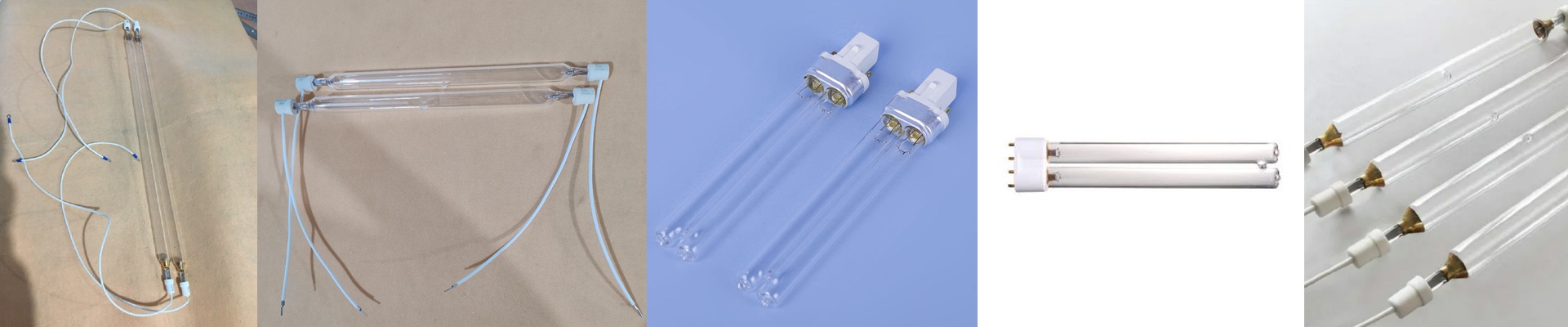
Depending on where you are in the process, the setup changes. If you’ve got garments moving on a conveyor belt, you can’t just throw a few lights in there. You have to stagger the tubes. If you don’t, you get “shadow zones”—little dark spots where bacteria can hide and survive. And a quick tip: make sure you’re using quartz glass. Regular glass blocks UVC light. Quartz lets it fly right through. Now, about the space. These systems don’t take up much room, but you’ve got to be careful. UVC is nasty if it hits your skin or eyes. We build everything into closed tunnels or add sensors that kill the power the second a technician opens a hatch. Safety first, obviously.
The Trade-offs You Need to Know
Here’s the catch: you can’t have everything. If you’re using low-power lights, you have to slow down your belt. The fabric needs a certain amount of “soak time” (the dosage) to actually get clean. If you’re under pressure to hit a massive quota and speed up the line, you’ve got two choices: add more lamps or crank up the wattage. But watch out—more power means more heat. If your vents aren’t up to the task, that heat can actually warp synthetic fabrics or mess with how the cloth feels in your hand. It’s all a balancing act between how fast you move and how clean you need the gear to be.