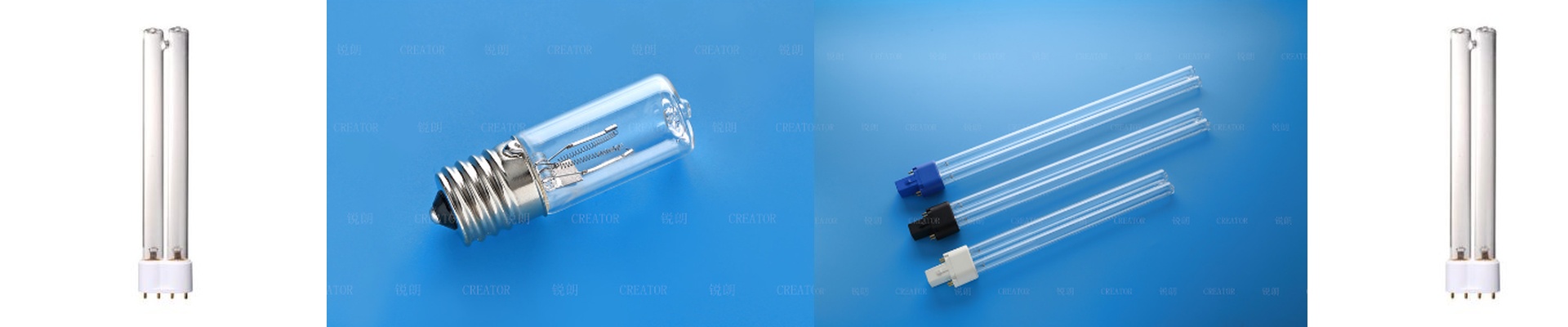
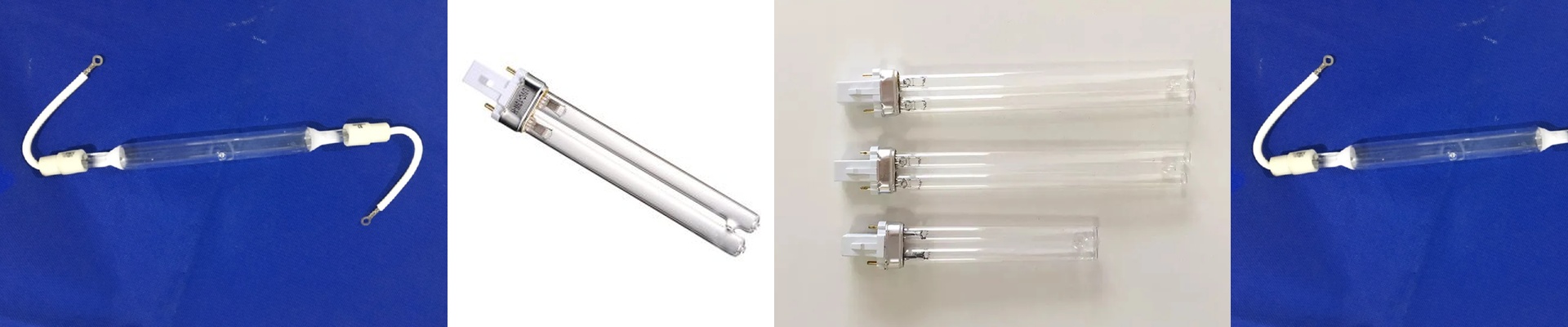
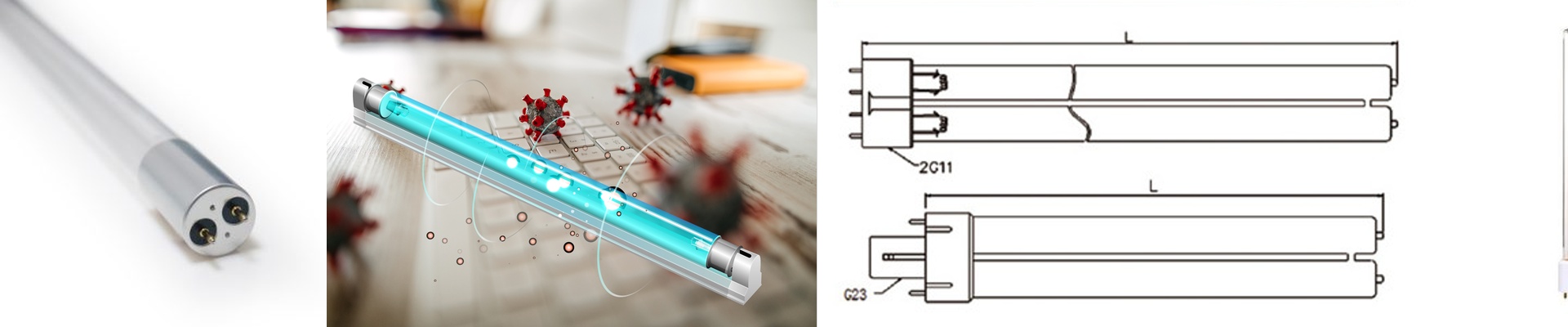
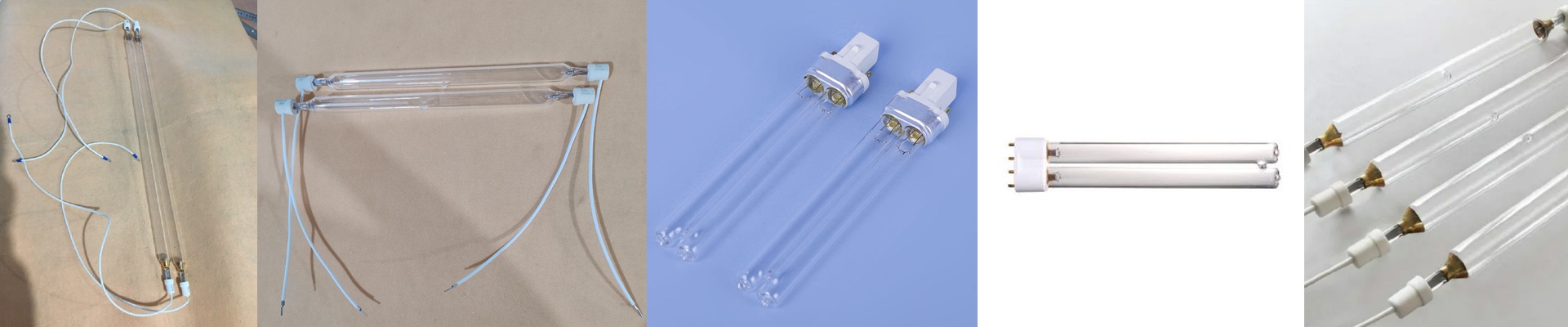
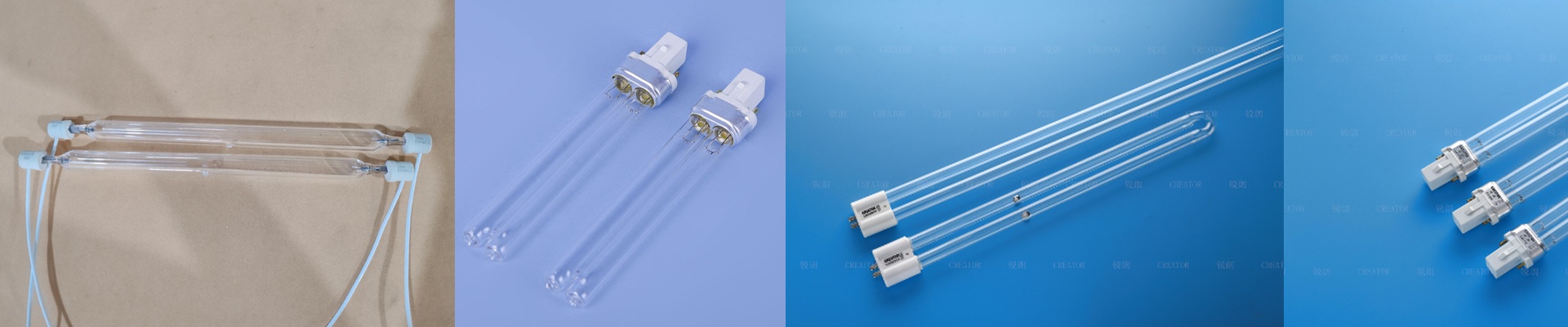
On the floor, the oval press is the bottleneck when the flash-cure dwell drags. Every extra second waiting for the ink to surface-set is throughput you’re not getting, and the line is just sitting there not making money. The fix isn’t more heat. It’s more photons, delivered fast, with the right spectral punch. What matters, technically We treat the UV curing lamp as a matched system: a high-pressure mercury vapor discharge, a stabilized arc, and a dichroic-coated reflector that keeps the spectral output honest. You want real strength on the 365 nm line for deep penetration and fast photoinitiator activation, plus enough 385–405 nm energy to finish the cross-linking without surface quenching. Peak irradiance at the substrate is the number that moves the needle—measured in mW/cm² at the working plane—because it directly cuts the dose-to-cure. Hit 800–1200 mW/cm² with tight hot-spot control, and the required energy density in mJ/cm² drops fast. Power density has to be tuned to press speed and ink formulation; throwing a bigger lamp at it without controlling spectral balance just heats the substrate and risks scorch. Why it works on an oval screen line On a fully automatic oval screen press, the flash-cure unit sits between print stations. If you can shorten the flash dwell by 30–50%, you can trim index time without inviting set-off or blocking. The payoff is more cycles per hour, fewer rejects, and less solvent load in the air. Energy draw goes down because the lamp is on for a shorter duty cycle, and lamp life stays predictable when you keep ignition frequency in check. You get stable cure across the print width even at higher speeds, because the reflector profile holds uniformity within ±5% across the substrate path. Things to keep straight Match the lamp to the reflector geometry and the cure window size. If it’s misaligned or the dichroic coating is off, the spectrum shifts and you lose peak irradiance. Make sure the power supply can handle the ignition surge and hold constant arc power; otherwise, spectral stability drifts and cure repeatability goes with it. Expect higher intensity when the lamp is new, then a gradual output decay. Check with a radiometer every 500 hours and replace when irradiance falls below the process window. Running at max power without proper airflow drives quartz temperature up and hastens end-of-life—keep the cooling steady.