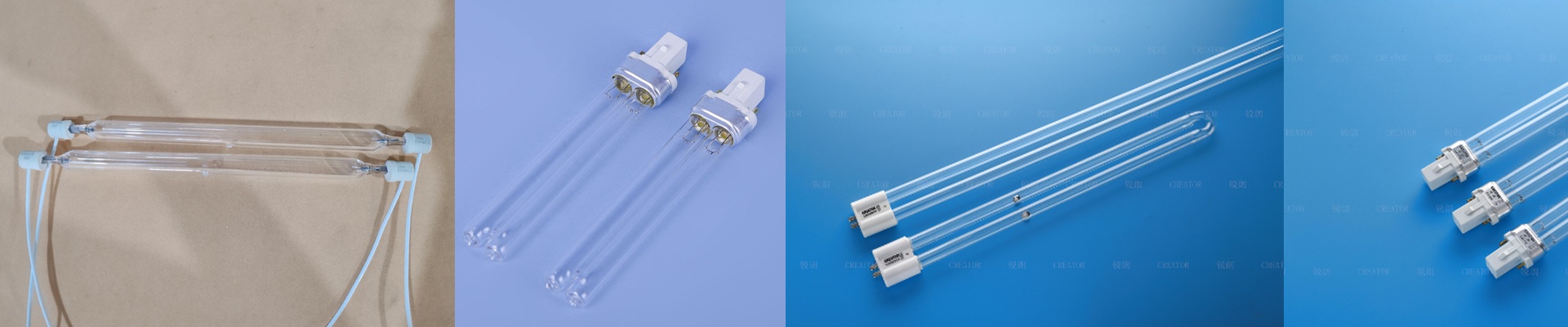
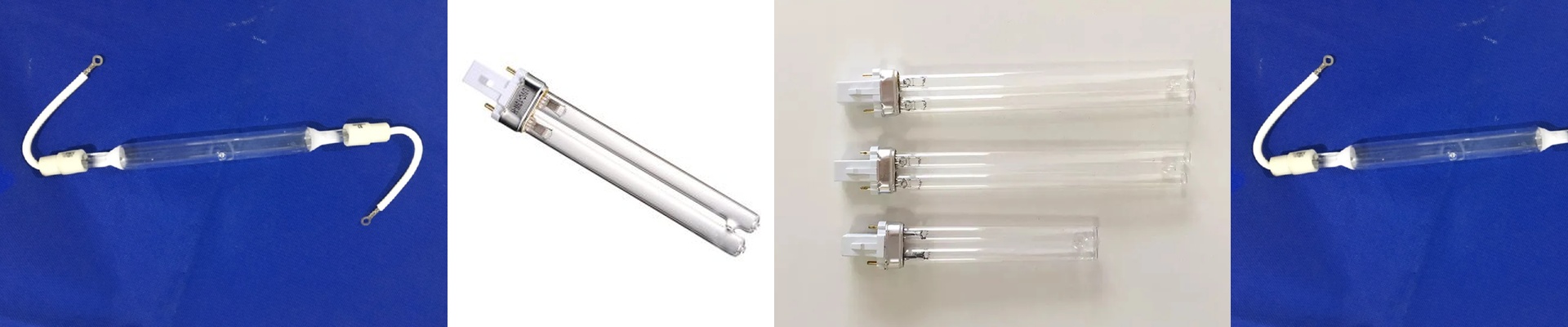
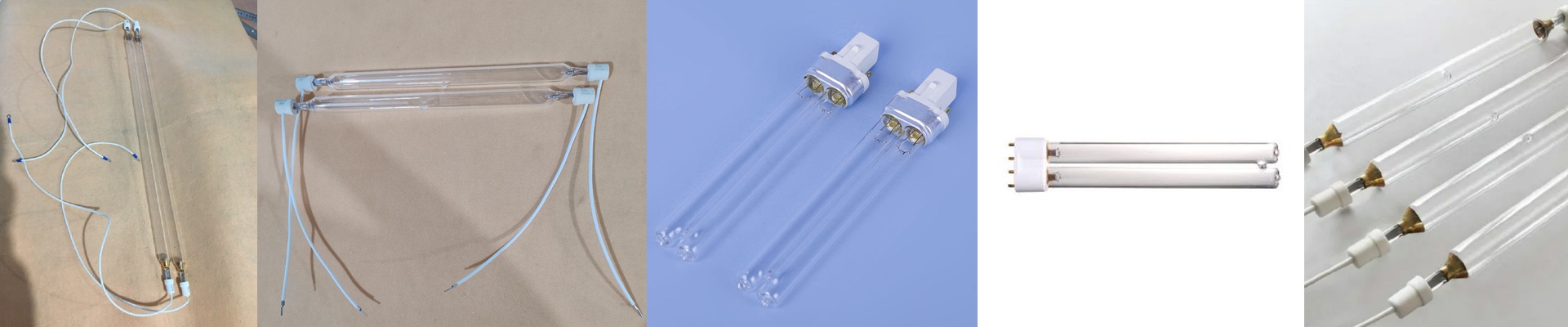
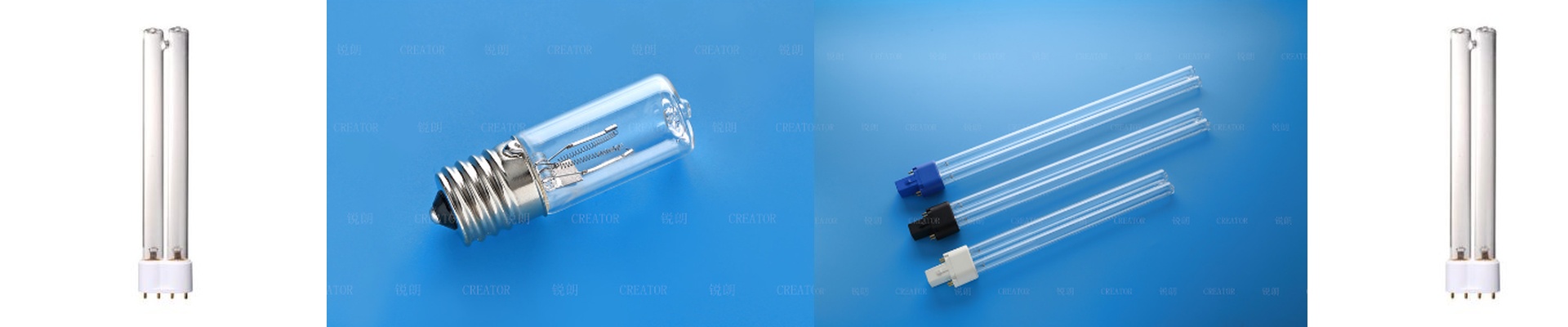
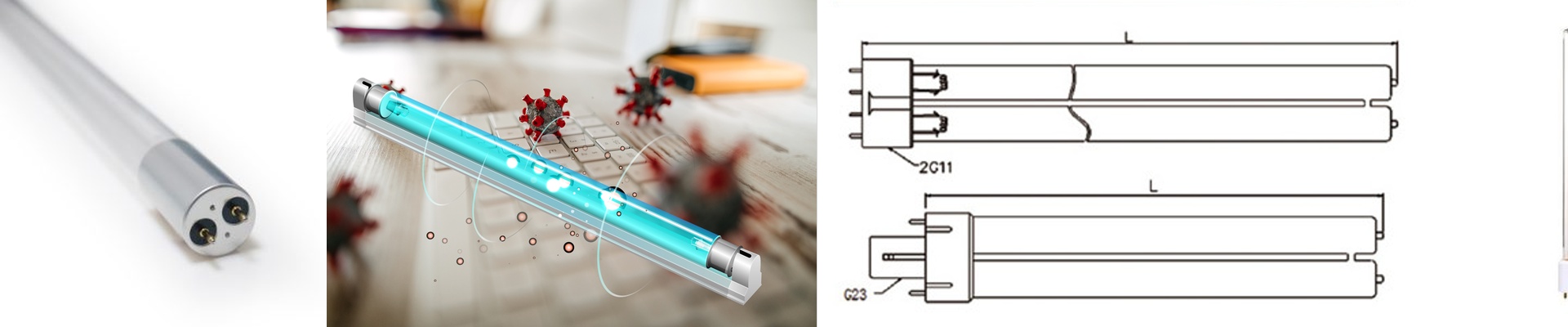
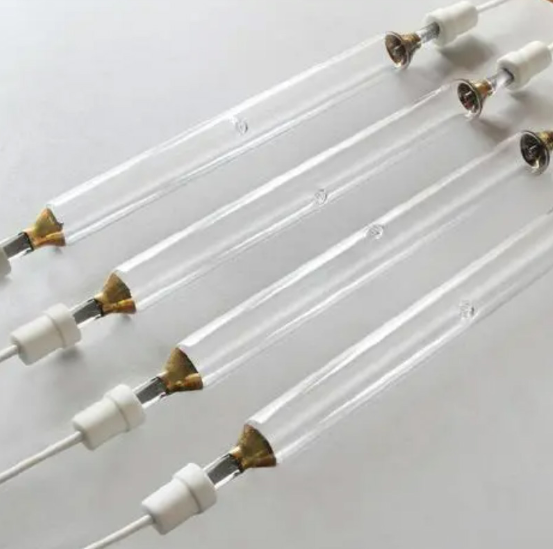
On an electronics printing line, a half-second temperature overshoot is all it takes to warp flex or fry a sensitive component. The real question isn’t whether UV will cure—it’s whether the energy lands with the heat under control. We build the cleaning UV lamp quartz sleeve to keep spectral output steady while keeping surface temperature down. What matters under the hood The sleeve isn’t just a cover—it’s part of the thermal and optical chain. High-purity quartz passes the mercury vapor lines at 365 nm and 385 nm with minimal absorption, so peak irradiance stays where you need it for fast cross-linking. A dichroic coating reflects IR back toward the electrode and lets UV through, which cuts down substrate heating. You’re looking at 90%+ UV transmission across the lamp’s operating band, and with a reflector matched to the arc gap, surface temperature along the arc stays within ±5°C. Why this matters on the job In fine-pitch flexo and screen printing for electronics, the ink film is thin and the photoinitiator window is tight. Stable spectral output keeps the energy dose repeatable job after job, so cure depth and adhesion don’t drift. The sleeve’s clean inner bore prevents quartz blackening and hot spots, which keeps lamp output consistent over 5,000+ hours and holds the heat profile predictable. The payoff: fewer rejects from thermal stress, and a dependable cure on PET, PI, and thin laminates. A few shop-floor details that bite Mounting tolerance is not optional. If the sleeve is off-axis by even 0.5 mm, you change the reflector gap and tilt the beam—then irradiance goes uneven. Check lamp-reflector alignment and cooling airflow before the first run. And because the sleeve is ozone-free, you need proper exhaust. Block the vent path and the system runs hotter and ages faster.