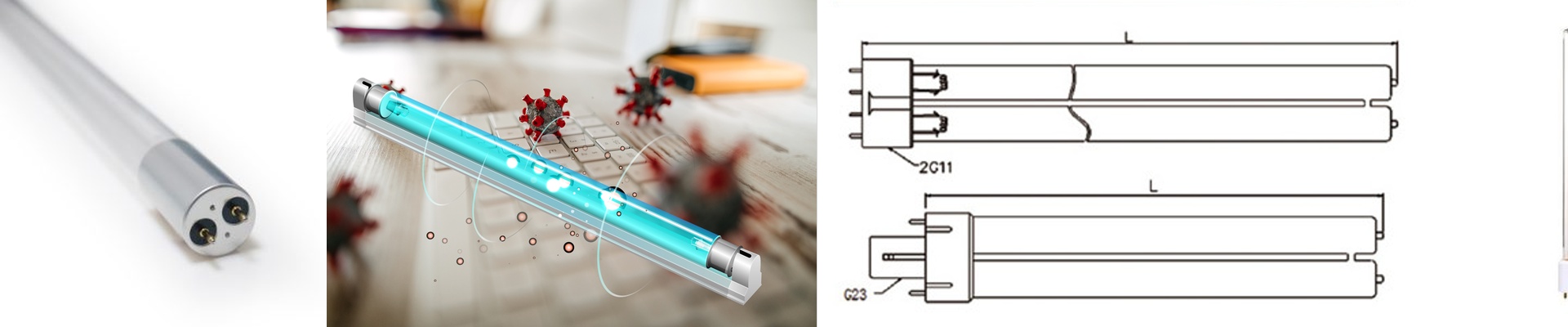
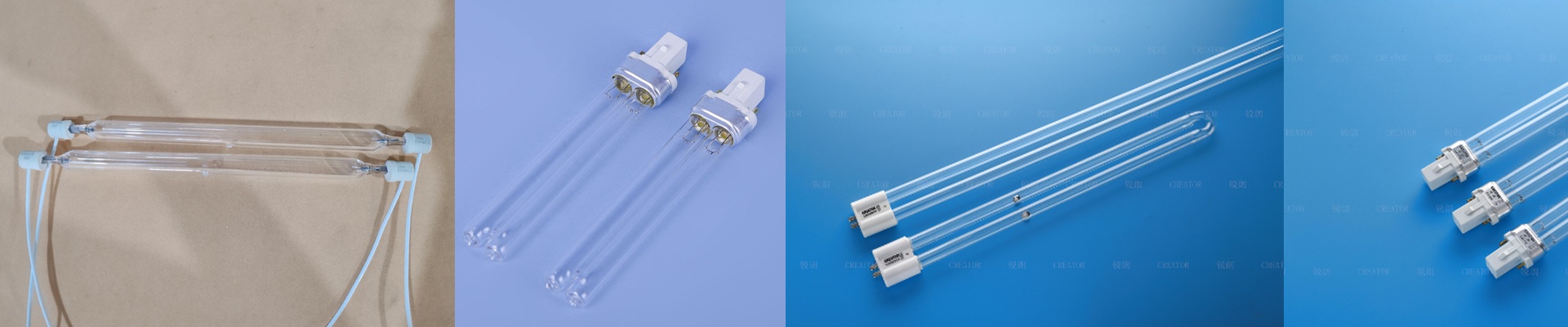
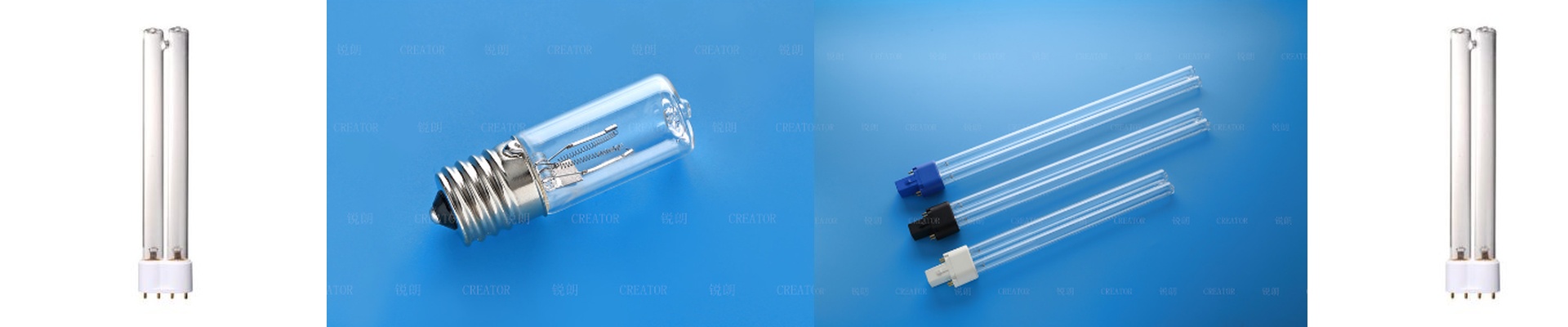
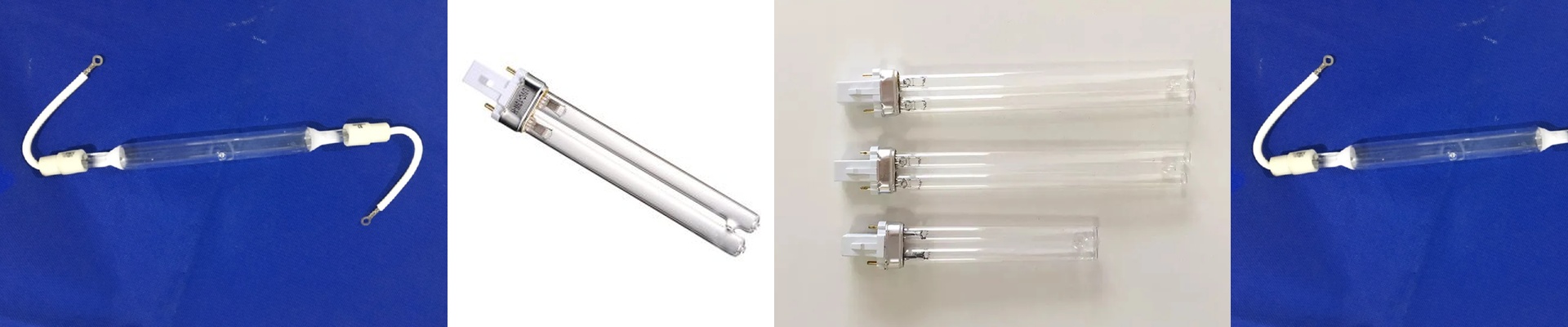
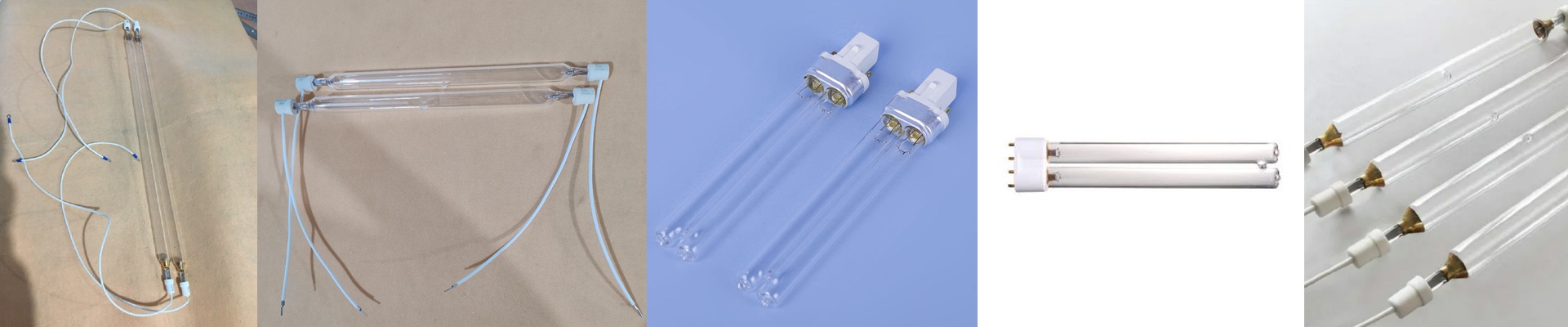
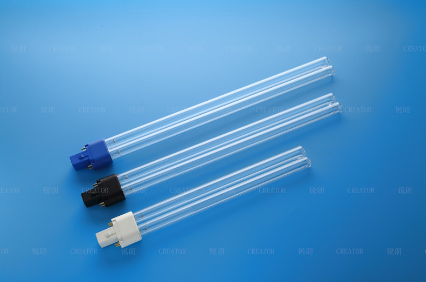
On an M&R or KTK press, downtime isn’t just downtime. It’s substrate going in the trash, labor sitting idle, and due dates you can’t afford to miss. When the original UV lamp goes down, the real question isn’t whether to replace it—it’s whether the replacement will behave exactly like the original. We build our custom UV lamps as 1:1 drop-ins, spec’d to match the electrical and optical profile your system was designed around. What actually matters under the hood Curing is about photon flux and spectral control. Our lamps hold a stable 365nm peak, aligned to the absorption band of the photoinitiators in flexo and screen inks. Peak irradiance hits 1,200 mW/cm² at the arc center, with a tight spectral bandwidth that keeps cross-linking efficiency up. Power density matches the original lamp so you get consistent curing speed without overdriving delicate substrates. The reflector uses a dichroic coating to focus output into the target band, cutting down wasted IR and excess heat. Over 2,000 hours, the output curve stays stable, with less than 8% drop in irradiance when you run within the rated voltage and airflow. Why this matters on an M&R or KTK line Compatibility isn’t just about length and mounting. It’s about matching the spectral footprint and thermal behavior. Our lamps reproduce the original ignition characteristics, warm-up time, and operating temperature, so your lamp current, shutter timing, and conveyor speed don’t need a rewrite. That means predictable cure on the first pass, fewer rejects, and ink adhesion that holds steady across the run. A few shop-floor notes Installation is straightforward, but verify connector type, lamp length, and quartz sleeve tolerance against your fixture before you button things up. Keep airflow across the lamp and reflector adequate—when the quartz runs hot, irradiance drops. Match ballast and ignitor to the lamp’s rated wattage and voltage. And keep in mind: the spectrum is tuned for 365nm curing, so if you change ink formulation, you may need to re-tune line speed or lamp power to hit the required energy density.