Speed and Control—The Heart of the Job
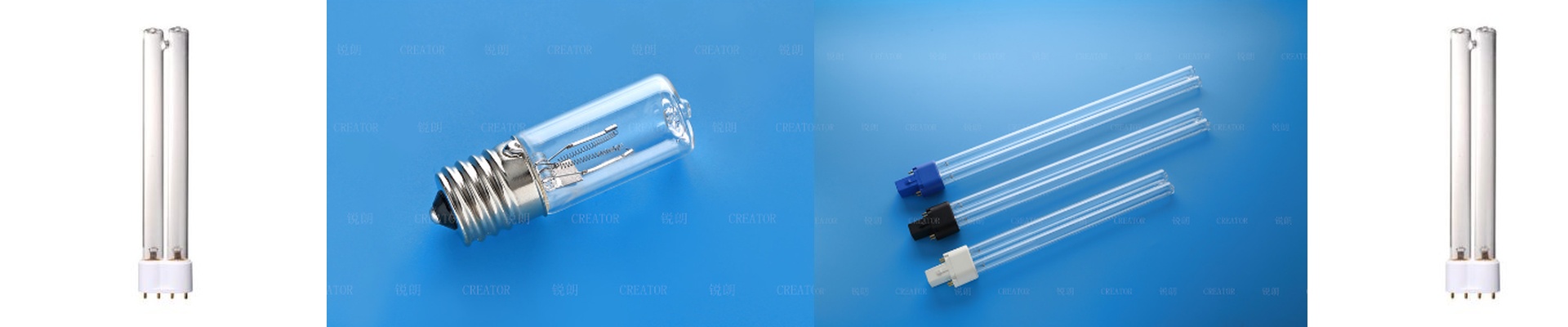
When you’re screen printing credit cards, the whole game is “spray and dry—right now.” No waiting. No hesitation. That’s why the UV lamp has to fire on command and shut off the instant it’s done. A high-response halogen UV lamp is what gives you that split-second burst of energy. And in a continuous run, you can’t afford downtime waiting for the lamp to warm up or cool down. We built these lamps to keep your line moving—steady, and on point.
Power and Fit—Built for the Real World
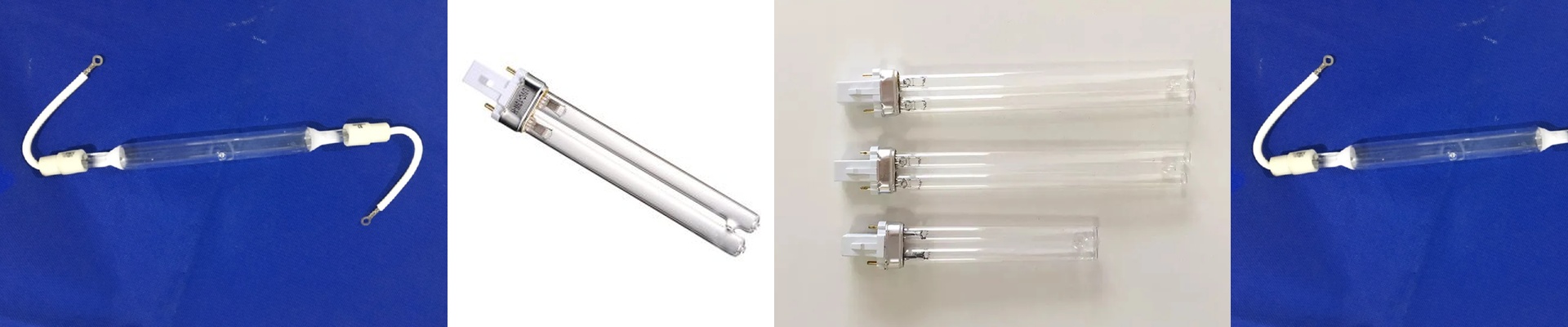
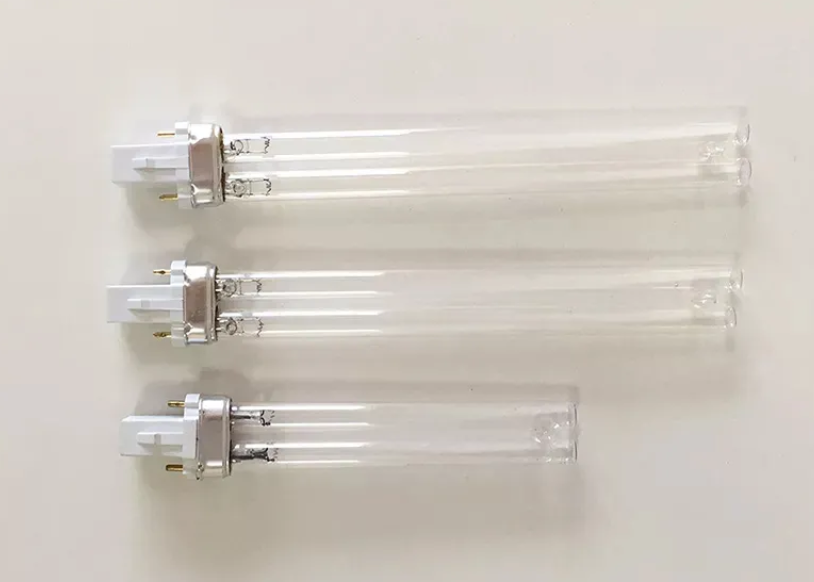
These UV curing lamps are made to live on the factory floor, not on a shelf. They run on 400V, which keeps power delivery stable to the quartz tube, so output stays consistent hour after hour. The 300mm length is designed to drop right into standard curing zones on compact screen-printing setups, so you’re not fighting for space. At 2500W, you get the intense output needed to cure ink on plastic in a single pass. That kind of power gets the job done fast, but it also means your machine’s cooling system needs to be up to the task—plan for the heat.
Why Halogen and R7s Make Sense
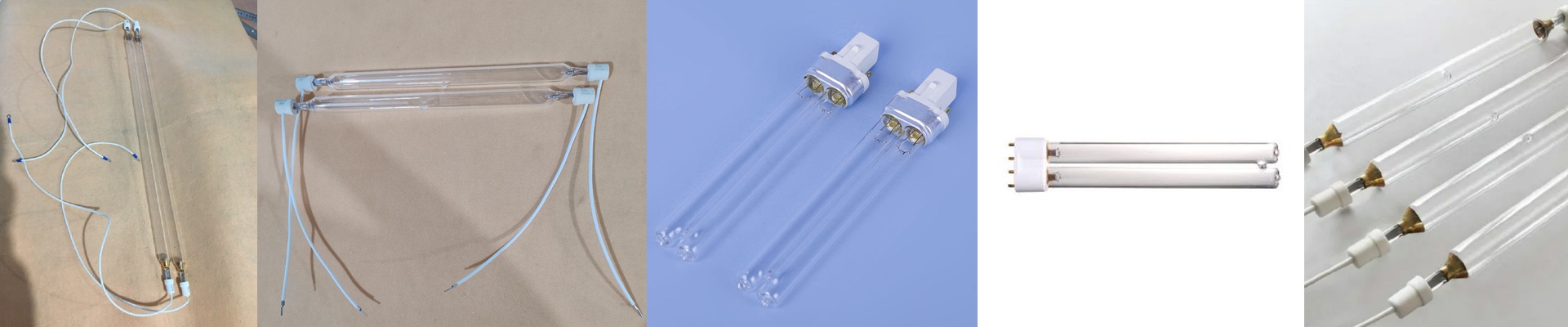
We use a halogen-filled quartz tube because it responds quickly, delivering shortwave UV energy without lag. The inside of the tube is coated to reflect UV onto the substrate, which helps the cure stay even across the surface. And the R7s connector? It’s an industrial standard for high-wattage lamps for a reason. It gives you a solid, low-resistance electrical connection that can handle the repeated heat-up and cool-down of rapid on/off cycles. The whole design is meant to be a straightforward drop-in replacement, so you can get back to work with minimal downtime.
What It Feels Like on the Line
On a credit card print job, the lamp has to keep up with high-speed screen printing—no smearing, no half-cured ink. When the lamp responds instantly, the workflow stays continuous. No more stopping and starting while you wait for drying. The process stays stable, output stays predictable, and you see fewer rejects. Just keep in mind: running at full power puts real wear on the lamp and the surrounding electronics. So routine maintenance isn’t optional—it’s part of keeping things humming.