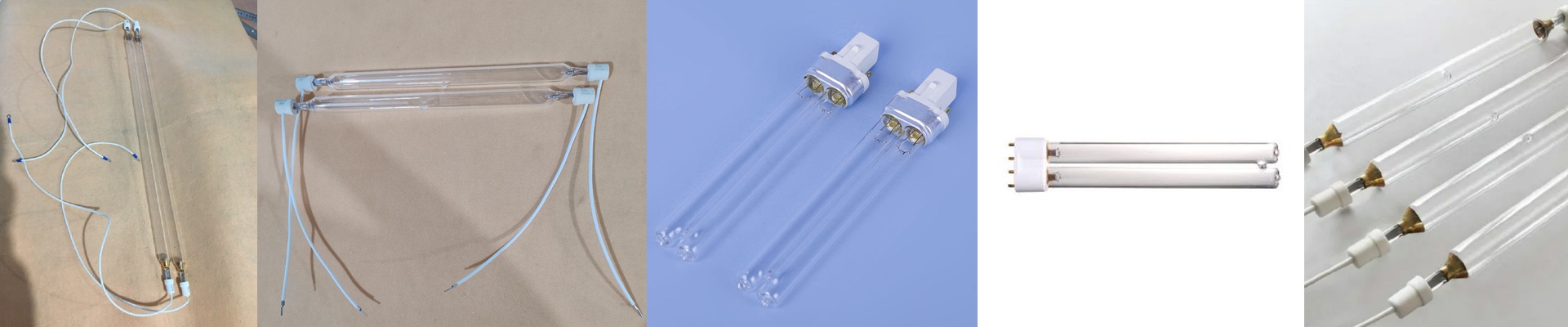
The OEM Standard: Precision You Can Count On
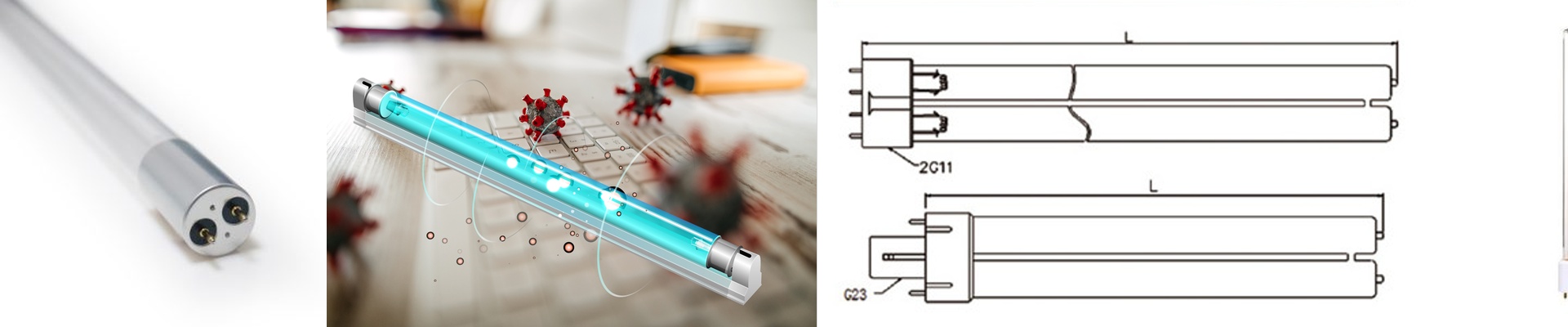
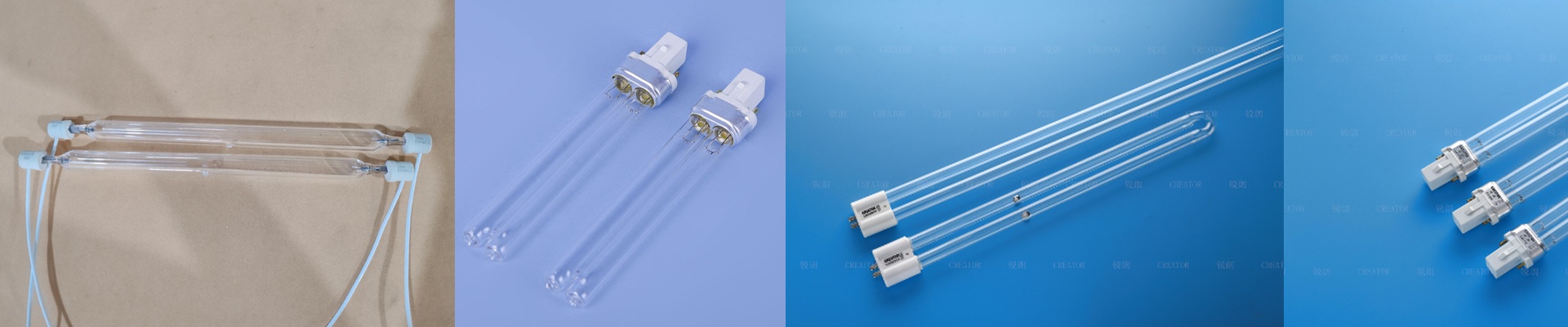
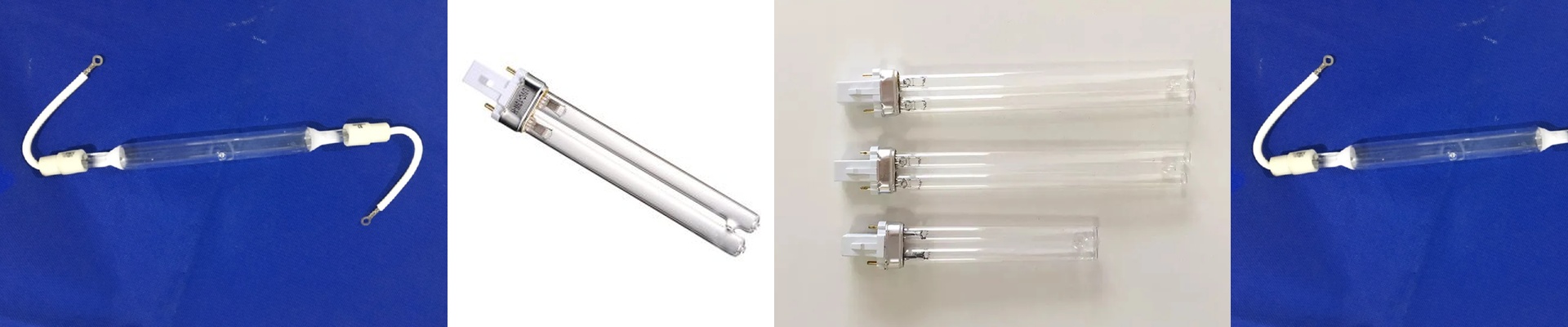
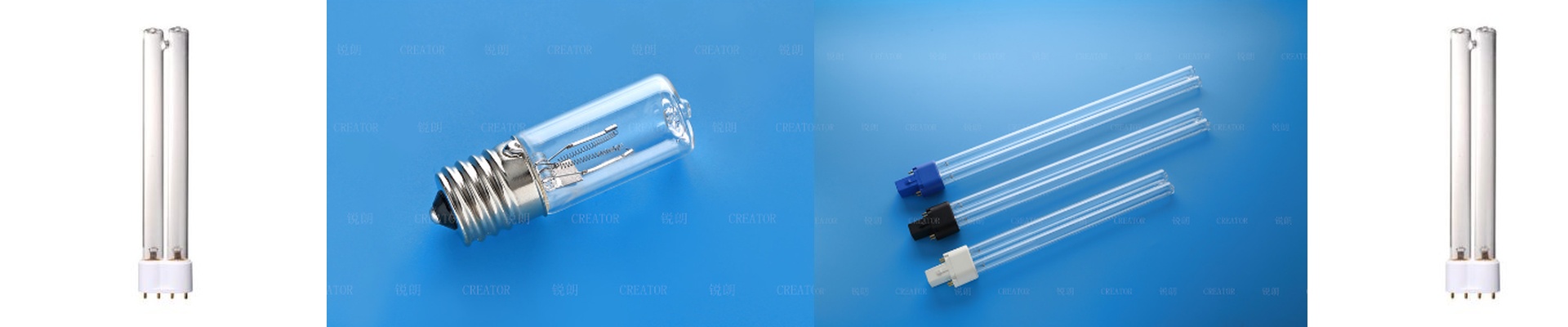
Ever wonder why the big printing press makers stick with us for their UV lamps? It’s simple. It comes down to precision, built exactly to their needs. In the industrial UV world, the lamp isn’t just another part. It’s the heart of the whole process. So when we build the Tetra UV pond sterilizer bulb, we make it fit the machine perfectly, down to the last detail. The result? A replacement that just drops in and works. It matches your electrical and mechanical setup exactly. No messing around with rewiring. No fiddling with new brackets. Just plug it in and go.
The Nitty-Gritty: Power, Voltage, and Fit
Here’s the thing about UV output: it needs a rock-solid arc. Our Tetra bulbs run on a specific voltage and power profile, engineered to hold that arc steady—same length, same temperature, every single time. That’s what gives you consistent UVC for reliable sterilization. And the physical fit? Absolutely critical. The lamp has to sit perfectly inside the reflector and quartz sleeve. Even a tiny mismatch can create hot spots and uneven intensity. So we hold our length and diameter tolerances tight. The lamp aligns properly, every single time. This kind of precision helps prevent current spikes and makes the electrodes last a lot longer.
What It’s Made Of: Quartz, Coating, and a Rock-Solid Connection
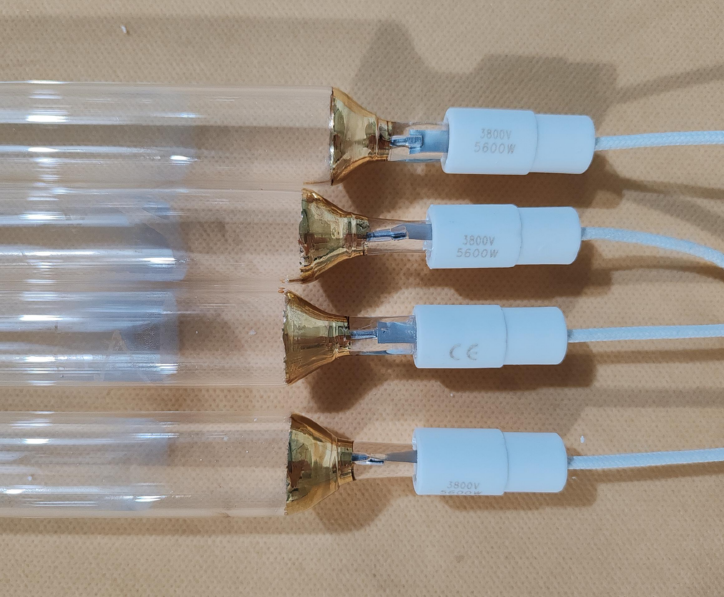
The Tetra bulb is built with high-purity quartz, tough enough to handle high power and resist that cloudy, worn-out look over time. Inside, a special coating keeps the UVC transmission strong while fighting off the thin-film buildup from whatever’s running through the system. And for the connection, we use an R7s-type connector system. It locks everything in place, handles high current, and won’t come loose. This interface is built to survive the constant vibration and temperature swings of industrial equipment. The whole assembly is tough. It can take a beating without burning out on you.
Built for the Real World of the Plant Floor
On a printing or coating line, you need UV intensity that you can count on, day after day. The Tetra bulb delivers that stable output, even when it’s running non-stop. And when it’s time for maintenance, the design makes swapping it out quick and easy. Less downtime is always a win. Now, there’s a trade-off. That higher power density means your cooling and electrical systems need to be sized just right. If the temperature around the lamp gets too high, the output will dip. That’s why we give you the exact specs upfront. We want you to build the system around the lamp, not have to chase problems after it’s already installed.