High-Output Germicidal UV Lamps: The Secret to Flawless Start-Up
Let’s talk about what actually matters on the shop floor. You can have the best germicidal UV lamp in the world, but if its start-up circuit is a mismatch, you’re just setting yourself up for headaches. I’ve seen it happen. You get ignition failure, the lamp keeps trying and failing to re-strike, and before you know it, you’re replacing it way too soon. The real heart of the problem? It’s not the lamp itself. It’s making sure the trigger and the tube are a perfect electrical match.
The Power, Voltage, and Size Reality Check
These lamps are built for serious intensity. That means they run on higher arc power, and they demand a strong, high-voltage jolt to get started. The trigger has to deliver a fast, powerful pulse that’s perfectly in sync with the lamp’s gas pressure and electrode design. If that pulse is weak or sluggish, the lamp just won’t ionize right. It’s that simple. And the size of the lamp matters more than you’d think. The arc length is set by the tube length, so a compact design is great for fitting into tight spaces. But here’s the trade-off: that small size concentrates heat. You’re going to feel the surface get seriously hot when it’s running at full power. That heat is necessary for performance, but it also means your machine’s airflow and mounting have to be ready for it.
The Inside Story: What the Lamp is Built From
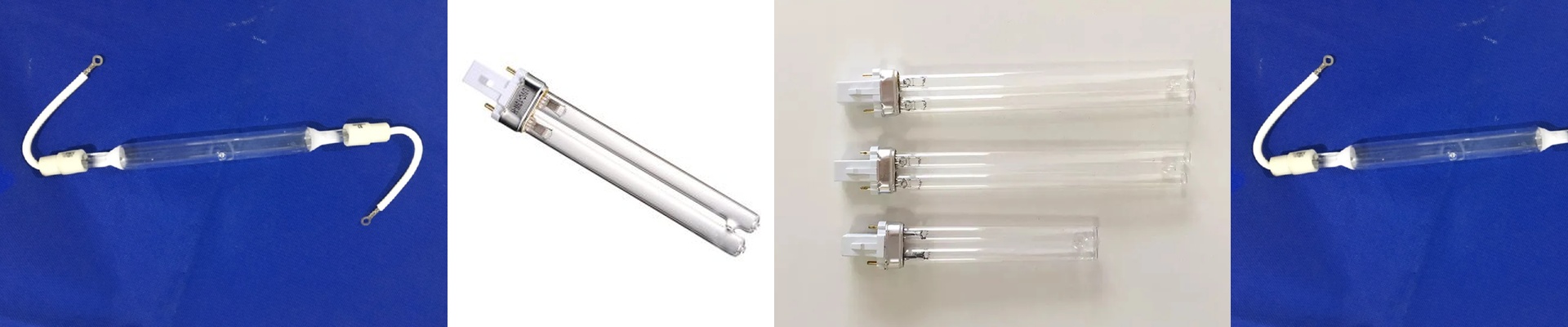
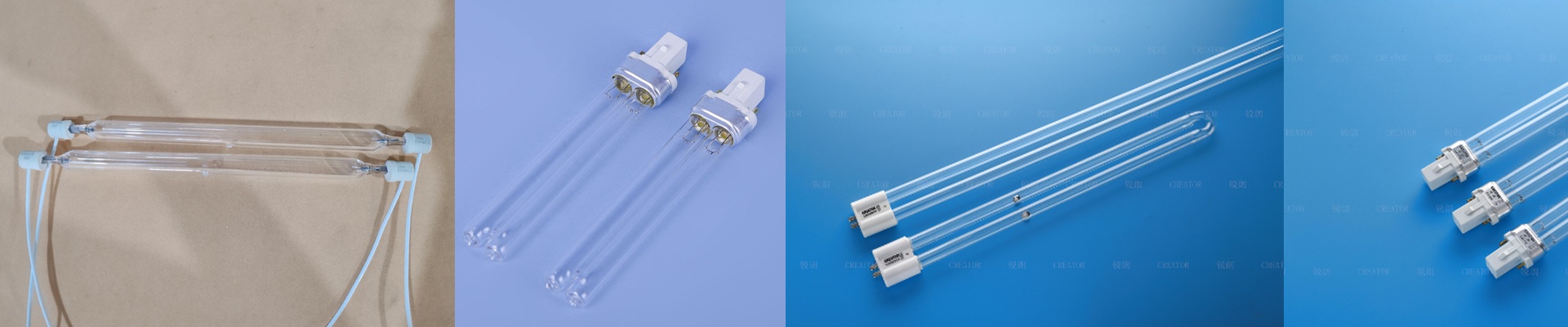
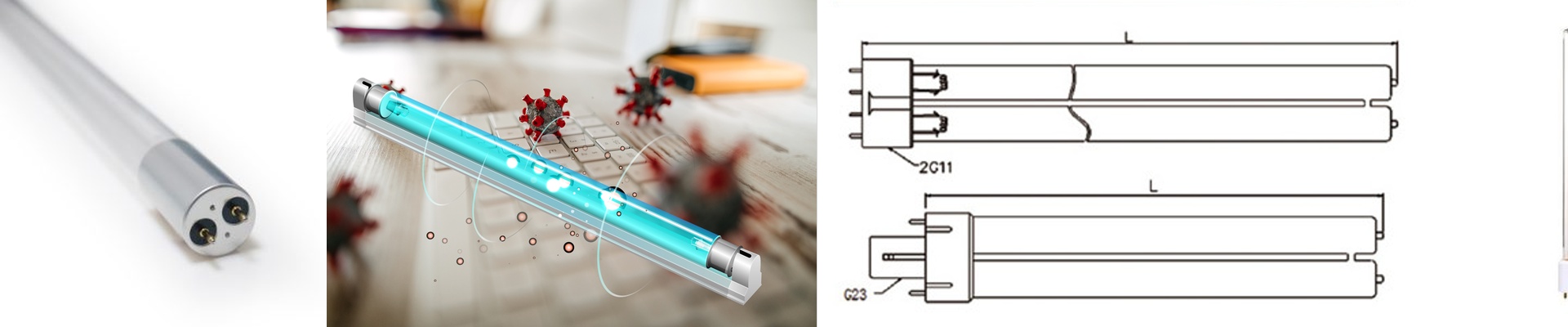
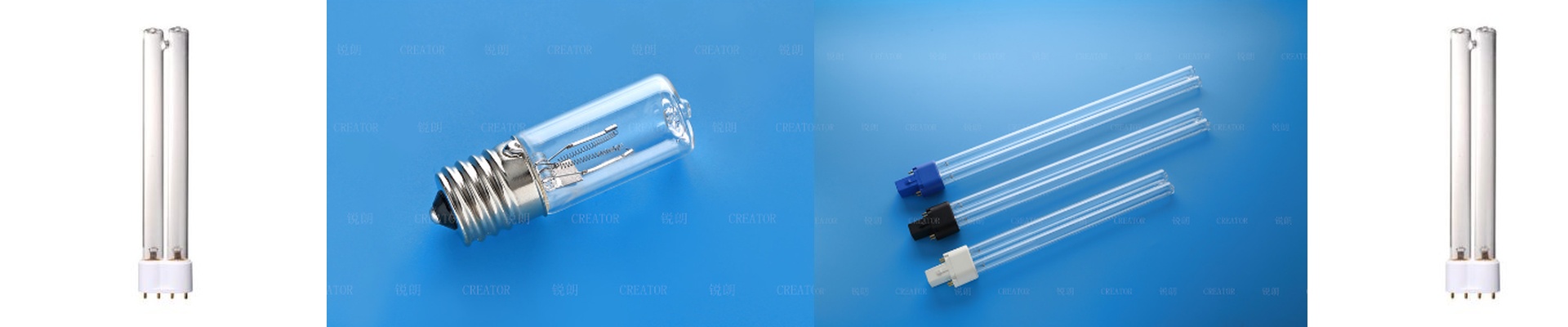
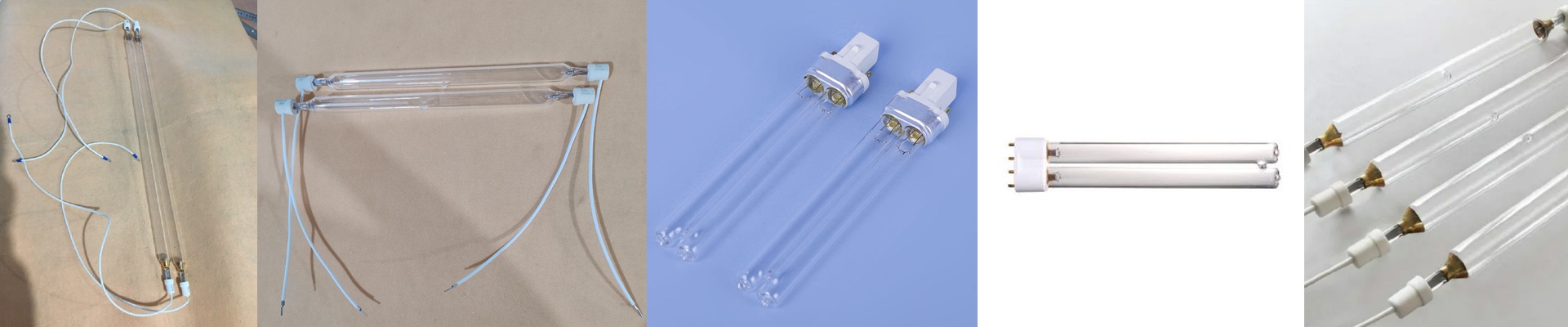
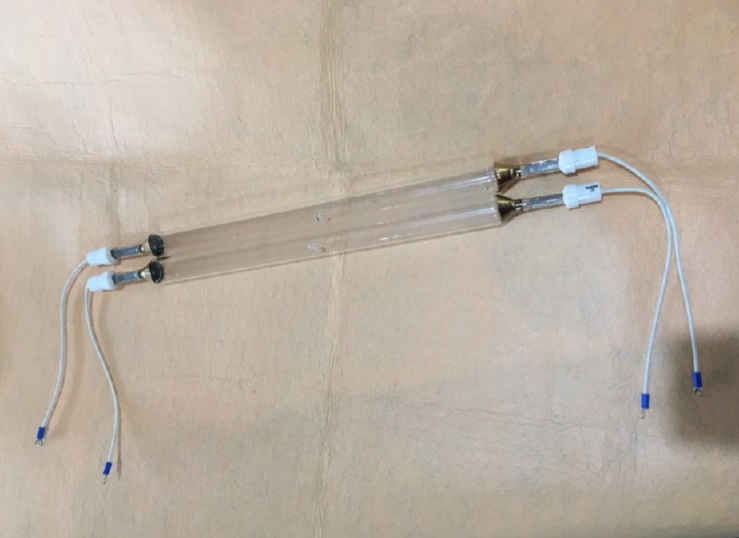
We use a quartz envelope because it’s tough, handles heat like a champ, and lets the UV light through cleanly. A stable envelope means fewer hot spots and no worries about cracking when the lamp starts up over and over. Inside, the coating and gas mix are carefully tuned to keep the output steady, month after month. Then there are the connectors. You’ll often see an R7s connector, and that’s for a reason. It gives you solid, two-point contact that can handle both the high current and that big voltage pulse from the trigger. If the connection isn’t rock solid, any little arc at the contacts will lead to start-up failures. We design the end-caps and contacts to fit cleanly into standard fixtures, so installation is as easy as a drop-in replacement.
The Payoff: Reliability When It Counts
In a system that runs non-stop, that lamp and trigger pairing has to just work. Every single time. Even when the line voltage dips or the temperature swings wildly. When they’re matched correctly, you cut down on electrode wear and prevent the lamp from burning out prematurely. The result? Consistent output, fewer maintenance stops, and a process you can actually count on. There is a trade-off, though. High output means you absolutely need a trigger that’s properly sized, and you need the right cooling setup. Match the trigger to the lamp, and match your cooling to the power. Do that, and you get the kind of start-up you can set and forget, with operation that just keeps rolling.