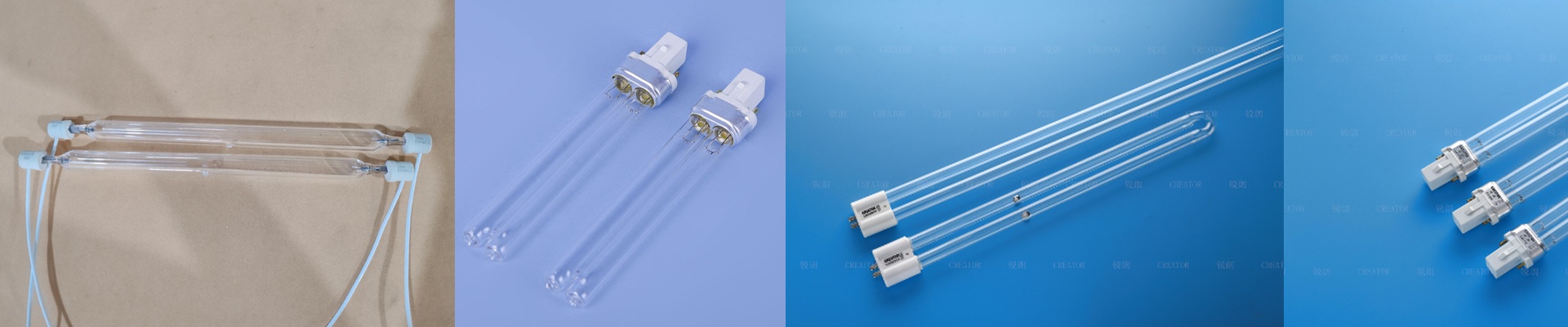
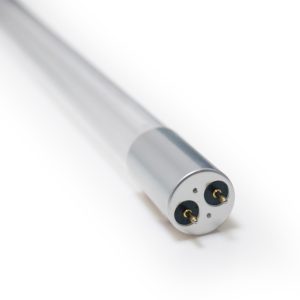
On press, bright doesn’t equal effective. A lamp can look blinding and still not deliver the dose your ink actually needs. Without routine checks, you get drift from lamp aging, reflector fouling, and ballast tolerance—quietly pushing up rejects and stretching cycle time. The straightforward counter is a practical, repeatable measurement: run UV energy test strips to measure delivered energy density at the substrate plane, and track it over time.
What matters, technically
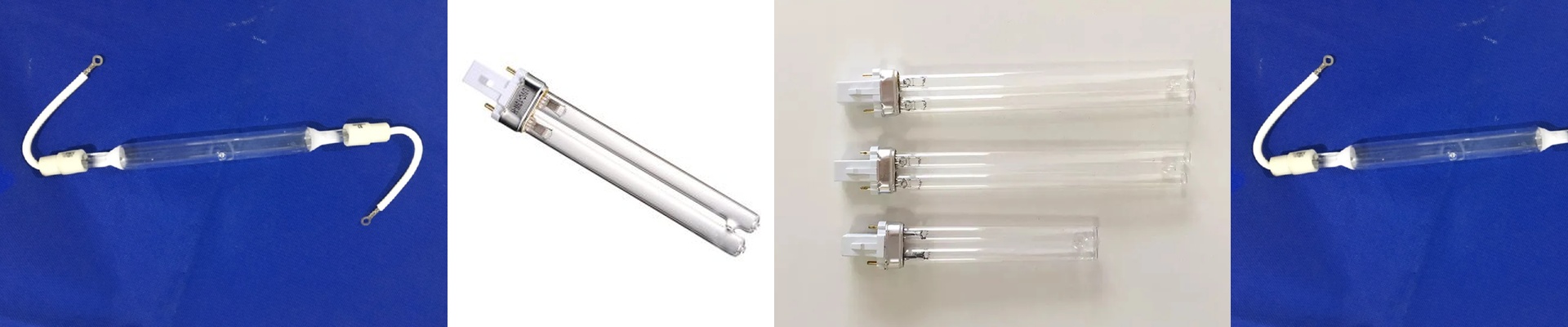
Gallium-doped metal halide lamps are built for industrial UV curing because they concentrate output where photoinitiators absorb—typically around 365 nm—giving you high peak irradiance for fast cross-linking. In real life, that spectral profile translates into higher cure speed at the same energy density compared with broad-spectrum mercury vapor lamps. We design these lamps to hold stable arc temperature and consistent spectral output across the rated life, so the same setpoint on your controller keeps repeating. When the system is aligned and clean, you should see tight output repeatability.
Why this works on the floor
A UV energy test strip turns maintenance into something you can measure and act on. Run a strip at a fixed web speed and lamp power, note the cured width and the measured mJ/cm², and log it. Over weeks, the curve shows up: gradual loss from reflector reflectance decay and lamp end-of-life, plus sudden dips from cooling interruptions or quartz fouling. Catch the drift early, and you keep cure margin. That means fewer adhesion failures on PET, foil, and other tough substrates—and no more chasing quality by throwing more power at the job or stretching exposure.
The details that bite you
Gallium-doped metal halide lamps are sensitive to ignition method and operating current. Use a matched ballast and ignitor; mismatched drivers will shorten lamp life and distort spectral output. Confirm reflector alignment and keep the quartz window clean—dust and ink overspray can drop delivered intensity faster than lamp aging. Also verify compatibility with your shutter mechanism and connector interface. When you replace a lamp, stick with the same length and arc gap geometry so the focal distance stays what your reflector was designed for.
プレス工程において、明るさが必ずしも効果的とは限りません。ランプは眩しいほど明るく見えても、実際にインクが必要とするエネルギー量を供給できていない場合があります。定期的なチェックを怠ると、ランプの経年劣化、リフレクターの汚れ、バラストの許容誤差によって出力が徐々に変動し、結果として不良率の増加やサイクルタイムの延長を招きます。これを防ぐ簡単な対策は、実用的かつ再現性のある計測を行うことです。具体的にはUVエネルギーテストストリップを使用し、基板面で供給されるエネルギー密度を測定し、そのデータを時間をかけて追跡します。
技術的に重要なポイント
ガリウム添加メタルハライドランプは、工業用UV硬化に適しています。これは、光開始剤が吸収する波長帯(通常は約365 nm)に出力を集中させており、高いピーク照度を実現して速い架橋反応を可能にするからです。実際には、このスペクトル特性は、同じエネルギー密度であれば広帯域水銀蒸気ランプよりも硬化速度が速いという利点に繋がります。当該ランプは定格寿命中、アーク温度を安定させ、スペクトル出力を一定に保つよう設計されており、コントローラー上の同一セットポイントが繰り返し再現されるようになっています。システムが正確に調整され、清掃が適切に行われている場合は、出力の再現性が高い状態が維持されます。
現場で効果を発揮する理由
UVエネルギーテストストリップを用いることで、メンテナンス作業を数値として把握し、対処可能な作業に変換できます。決められたウェブ速度とランプ出力でテストストリップを通過させ、硬化幅と測定されたmJ/cm²値を記録します。数週間分のデータを蓄積すると、出力低下の傾向が現れます。これはリフレクターの反射率低下やランプ寿命末期による徐々の減衰、あるいは冷却停止や石英窓の汚れによる突然の出力低下を含みます。この変動を早期に把握すれば、硬化マージンを維持可能です。結果として、PETや箔といった難硬化基材での接着不良が減少し、過剰な出力アップや露光時間延長による品質対応を回避できます。
注意すべき細部
ガリウム添加メタルハライドランプは点灯方式と動作電流に対して敏感です。適合したバラストと点灯器を使用しないと、ランプ寿命の短縮やスペクトルの歪みが発生します。リフレクターのアライメント確認と石英窓の清掃を徹底してください。ホコリやインクの飛散がランプ劣化以上に供給強度を低下させる場合があります。また、シャッター機構やコネクターインターフェースとの適合性も確認が必要です。ランプ交換時は同じ長さとアークギャップの形状を維持し、リフレクターの設計焦点距離が変化しないようにしてください。