


The Invisible Workhorse: UV Lamps in Textiles
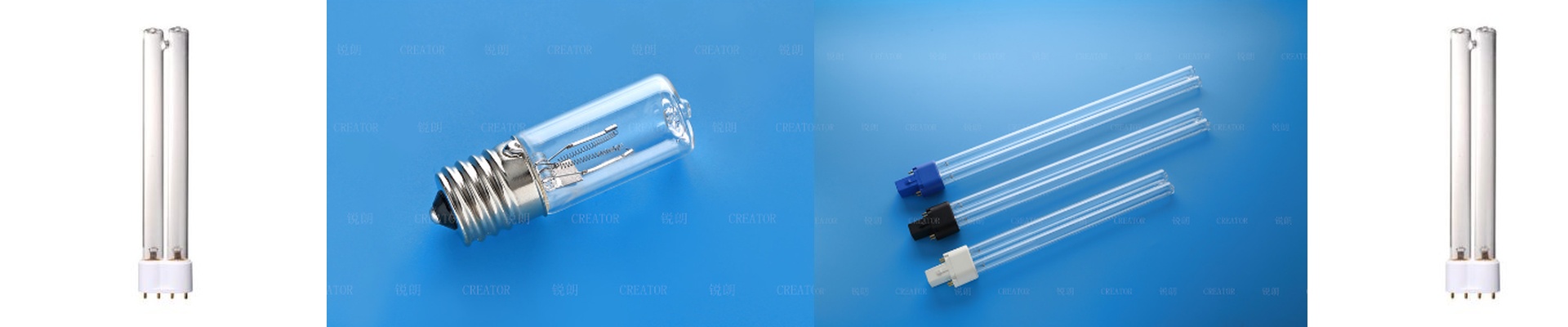
You’ll never see them in your favorite shirt or a pair of leggings, but UV lamps are doing a lot of the heavy lifting behind the scenes in textile factories. We aren’t just talking about light bulbs here. We’re talking about high-powered tools that use light to trigger chemical reactions. How it actually works Here’s the thing: when these lamps hit certain resins, inks, or coatings, they trigger a reaction that turns a liquid into a solid polymer almost instantly. It happens in seconds. Instead of hauling fabric through a massive, energy-hungry drying oven, we just zap it. The dyes lock in, the coatings harden, and you’re done. It’s fast. Really fast. The hardware headache Depending on the setup, you’re usually looking at either medium-pressure mercury lamps or UV-LED arrays. The choice usually comes down to how fast the conveyor belt is moving. If the fabric is flying by, you need more power (wattage) to make sure everything cures before the material moves out of range. But there’s a catch. High power means heat. A lot of it. If your cooling blowers aren’t up to the task, you’re going to scorch the fabric or deal with annoying shrinkage. It’s a constant balancing act between the intensity of the light, the speed of the line, and how much air you’re pushing. Where we actually use them You’ll usually find these lamps in three spots: First, there’sprinting. UV inks cure instantly, which keeps the edges of a design crisp and stops the ink from bleeding into the rest of the fabric. Then there’sfinishing. This is how we get those water-repellent or flame-retardant coatings to actually stick. And finally,bonding. Some brands are ditching traditional stitching entirely and using UV-curable glues to create garments without seams. It’s a much cleaner look. A word of warning on maintenance Changing these bulbs is a pain. Truly. The best move is to keep a tight log of how many hours they’ve run. Once the output dips, you’ll start seeing “tacky” fabric. That’s a nightmare scenario because it can ruin an entire batch of material in minutes. Keep an eye on the clock, and you’ll save yourself a lot of stress.