


Getting the Cure Right: A Look at Gallium Iodide Lamps
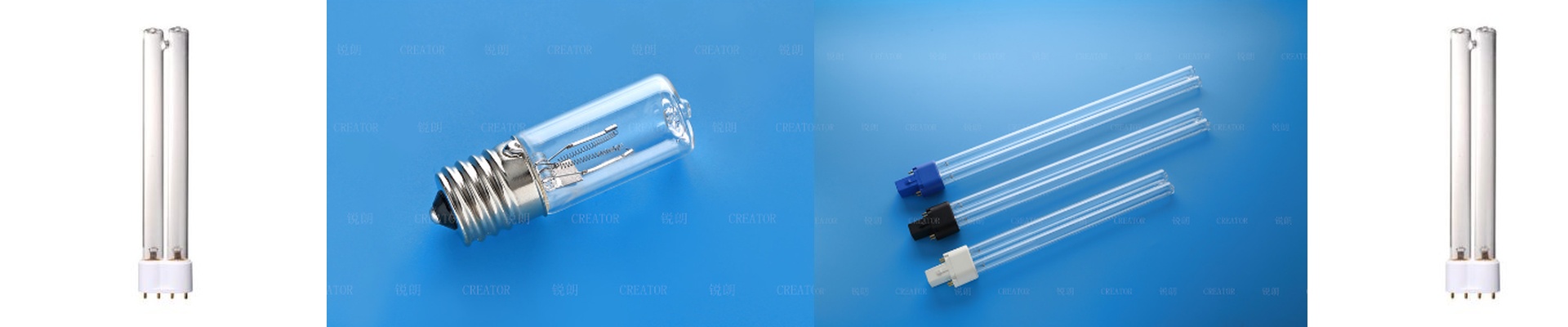
If you’ve ever dealt with the frustration of a coating that looks dry on top but feels like wet glue underneath, you know the struggle. Standard mercury lamps are great, but they have a limit. They just can’t always punch through. That’s where our Gallium Iodide (GaI) lamps come in. Instead of the usual setup, we use a specific gas mix that pushes the light further into the UV-A and visible range—roughly between 350nm and 450nm. Why does that matter? Because some photoinitiators need that exact wavelength to actually trigger. If you’re working with thick coatings or heavy, pigmented resins, this is your secret weapon. It stops the surface from “skinning over” and makes sure the bottom layer actually cures. No more tacky surprises. The Build Quality We don’t do “close enough.” These tubes are built to tight specs because if they don’t fit your reflectors perfectly, you’re just leaking light and wasting money. Simple as that. We also use high-purity fused quartz. We do this to stop “solarization”—that annoying cloudiness that creeps into the glass over time and kills your efficiency. One heads-up: keep an eye on your ballast. These lamps are picky about their impedance. If you push the voltage too hard, you’ll fry the electrodes or burn the tube out way too soon. Stick to a steady-state power supply to keep your irradiance consistent as the product moves down the conveyor. Putting Them to Work We’re confident in these. In fact, we benchmark them against the big global brands. If our custom lamp doesn’t hit the same curing density as a name-brand version at the same price, we’ll just give you your money back. Just remember: GaI lamps runhot. Really hot. You can’t skimp on your cooling fans or water-jackets. If the tube overheats, the spectral peak shifts, and suddenly your cure rate drops off a cliff. To make things easy, we give you the exact wattage and voltage numbers so you can just wire them up and get to work.