


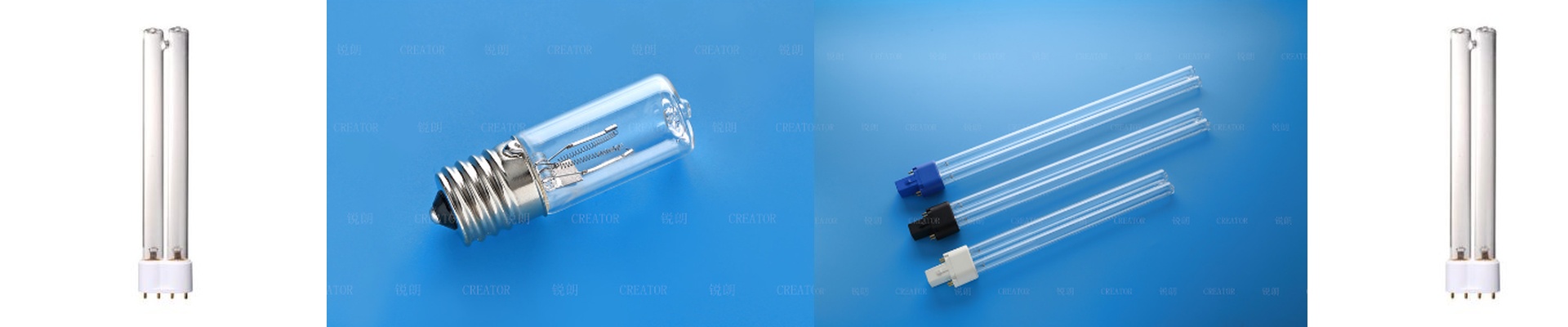

Getting the Most Out of Our 120W/cm Mercury UV Lamps
We built these UV modules for the high-speed lines where you’re dealing with thick, heavy ink saturation. When you’re pushing 120W/cm, you’re getting a massive punch of UVC output. It’s exactly what you need to get those industrial inks and coatings to snap dry the second they hit the light. The battle with heat and depth Here’s the thing about that 120W/cm rating: it’s not just about cranking up the speed. It’s about getting the energy to actually penetrate the ink. We’ve all seen “skinning”—where the top looks dry, but the bottom is still tacky and ruins the batch. These lamps stop that by driving the radiation all the way to the base. But, there’s a catch. That much power creates a lot of heat. If you don’t have a solid cooling fan or a chilled reflector on your conveyor, you’re going to have problems. You might see thin materials warp or, worse, start to scorch. The nuts and bolts Inside, we use low-pressure mercury discharge to keep the light steady. The quartz envelope is the secret sauce here; it lets the 254nm to 365nm range pass through without any struggle. We also spent a lot of time tightening the tolerances on the electrodes. Why? Because frequent start-stop cycles usually kill lamps early. We wanted to make sure yours doesn’t flicker or lose its punch halfway through its lifespan. Fitting it into your shop We designed these to be drop-in replacements. No need to rebuild your whole press. Plus, we cleaned up the wiring to stop electromagnetic interference. There’s nothing more frustrating than a UV lamp messing with your press sensors and throwing off your alignment. Just hook it up to a compatible electronic ballast and you’re good to go. We also obsessed over the reflector shape. It focuses the beam exactly where the ink hits the material, so you aren’t wasting energy or putting an unnecessary strain on your power bill.