



How We Built a Better UV Curing System
We spent 15 years in the trenches of OEM production before we finally decided to design our own modular UV curing systems. Our goal was pretty straightforward: we wanted the same power and lifespan as those big-name international brands, but without the insane price tag that comes with a fancy logo.
Getting the Power Right
Here’s the thing about most UV systems: they treat power distribution like an afterthought. That’s a mistake. We went with a modular setup so you can actually scale your wattage based on how fast your conveyor is moving. Instead of one giant circuit—which usually leads to those annoying voltage drops—we split the load across several lamp heads. It means you can pick the exact number of modules you need to hit your target mW/cm² right at the surface. No guessing. No wasting energy.
Heat is the Enemy
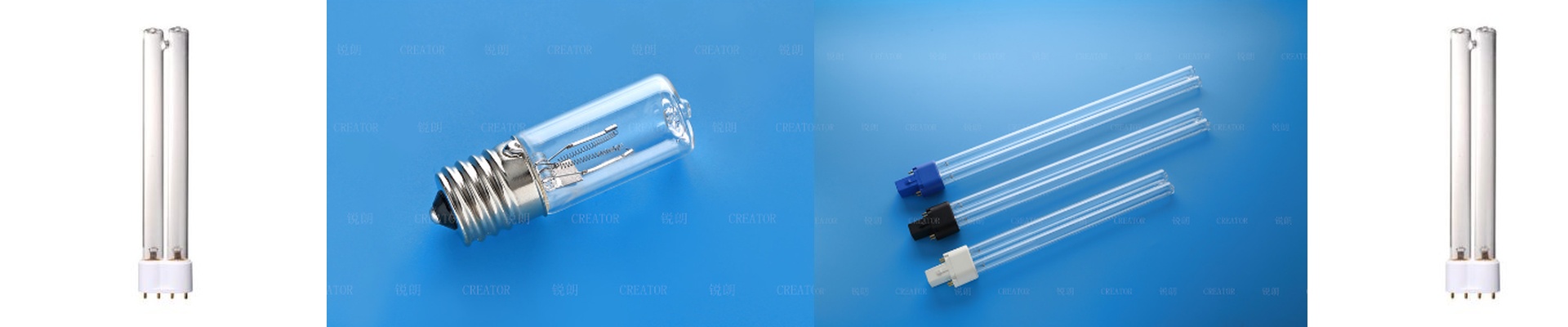
We use high-purity fused quartz for the lamp envelopes because it doesn’t soak up the UV energy. If the glass absorbs that energy, the tube dies early. Simple as that. To keep things cool, we mill the housings from aluminum so they act as a natural heat sink. But you have to be careful. High-wattage lamps put out a ton of infrared heat. If your fans aren’t up to the task or your airflow is blocked, your electrodes will burn out. We’ve seen it happen too many times—people cram modules together too tightly and the whole thing just chokes. Give them room to breathe.
Setup and Fixing Things on the Fly
We built these to be drop-in replacements. The connectors are all standardized, so if a lamp goes dead, you can swap it out in under two minutes. You don’t have to rewire the whole rack or stop production for an hour. It just keeps the floor moving. One quick tip on the wiring: make sure your ballast matches the lamp’s strike voltage. If the ballast is too weak, you’ll get flickering or the lamp won’t even ignite. On the flip side, if you over-drive it, you’re basically stealing months off the lamp’s life. It’s a bit of a balancing act between getting that instant peak intensity and making sure your gear actually lasts.